How to Avoid Unnecessary Vet Visits Without Skipping Necessary Ones
The goal here genuinely isn't reducing total veterinary spending across the board — skipping necessary care to save money tends to cost more later when a manageable issue becomes a bigger one. The goal is directing spending more efficiently, cutting the visits driven by pure uncertainty while never skipping the ones that are actually needed.
Build a general framework for triaging symptoms at home before deciding whether an in-person visit is needed — knowing common emergency signs, understanding which symptoms typically resolve on their own, and having a reasonable sense of what warrants immediate attention versus monitoring helps you make faster, more confident decisions rather than defaulting to "better safe than sorry" for every uncertain situation.
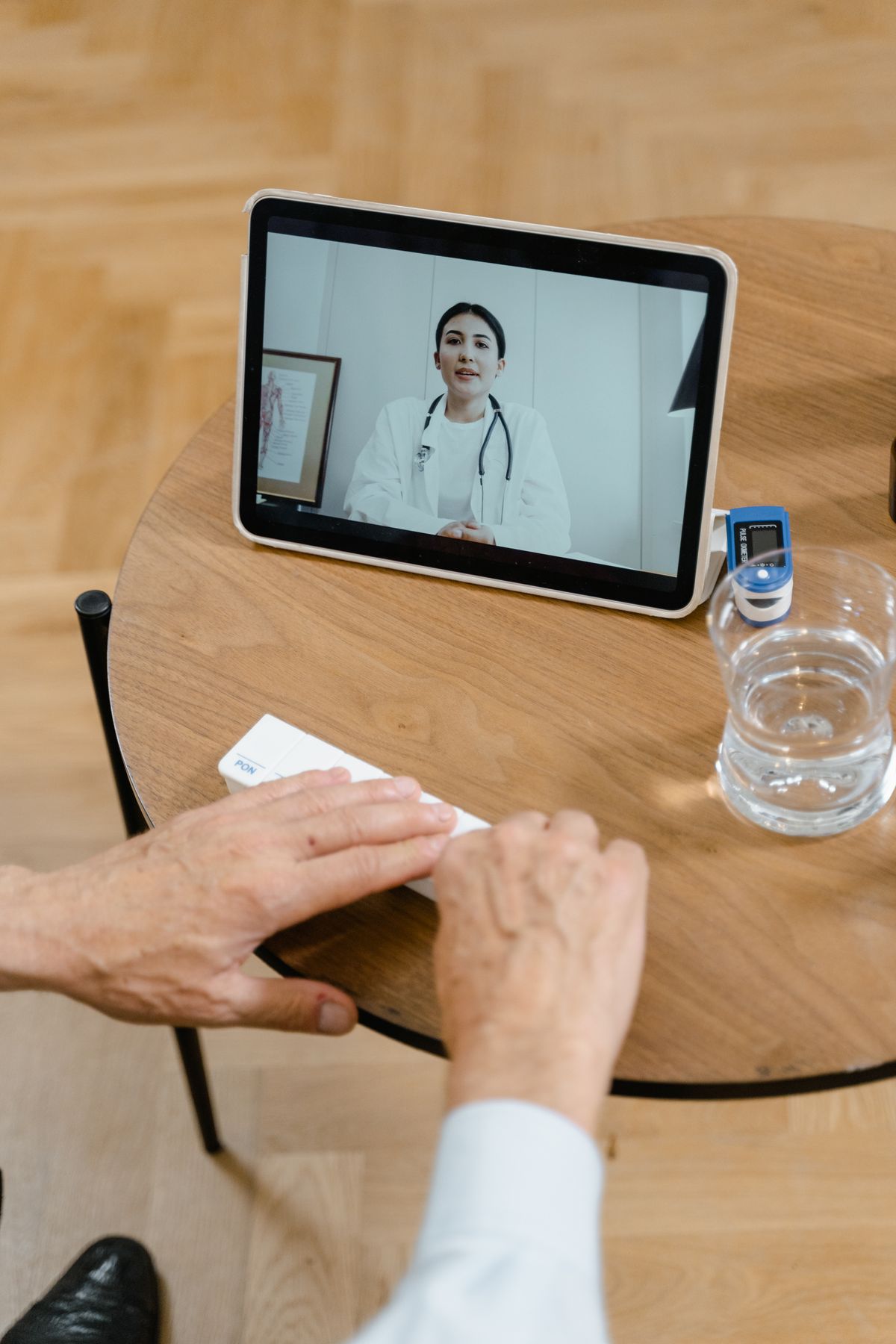
Use telehealth specifically for the triage decision itself — a quick consultation to determine whether something needs in-person attention is almost always cheaper than an unnecessary in-person visit "just to be safe," while still ensuring genuinely necessary situations get directed appropriately.
Maintain preventive care consistently rather than skipping it to save money — this is the category where cutting corners tends to backfire, since preventive care (vaccines, dental cleanings, wellness screenings) generally costs far less than treating the problems it prevents or catches early.
Don't let cost anxiety alone drive a decision to skip a visit that's actually warranted — the framework here is about cutting visits driven by uncertainty when a cheaper alternative (telehealth, home monitoring with known guidelines) would resolve that uncertainty just as well, not about avoiding care due to cost concerns for something that genuinely needs attention.
Track your specific pet's patterns over time — knowing what's normal for your individual pet, and recognizing genuine deviation, reduces the number of "is this something" uncertain moments that might otherwise prompt an unnecessary visit.
What to do: Build your own symptom-triage knowledge, use telehealth for the uncertainty-resolution step specifically, and maintain rather than skip preventive care as the actual place where cost-cutting backfires.
For the general emergency-vs-not framework this triage skill depends on, here's a closer look.
Still have questions?
Don't rely on Google if your pet is showing symptoms. Get a professional opinion in minutes.
Talk to a Vet Now