Common USDA Pet Travel Mistakes That Cause Delays
Prepared by the Waggle editorial team. This article is educational, not a diagnosis or an individual veterinary review.

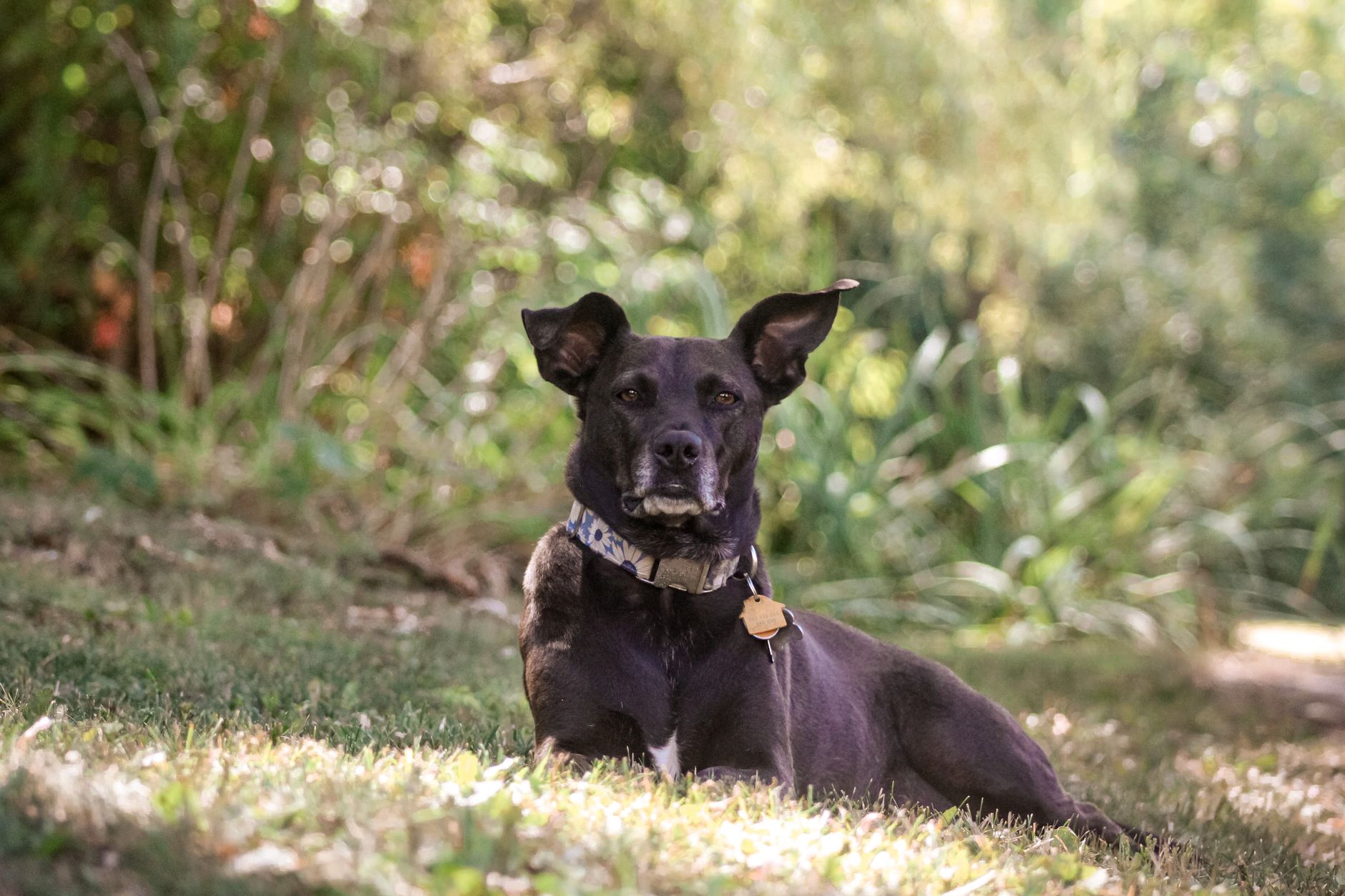
Photo by Suyash Batra on Pexels. Illustrative photo; not a patient or clinical diagnosis.
Most pet travel problems come from small, avoidable paperwork errors. Here are the ones that cause the most trouble.
Travel rules checked October 13, 2026. Verify the destination, transit route, airline and return requirements again before booking. A scan in a record store is not a government-issued certificate or a substitute for required originals. USDA APHIS reports new EU non-commercial certificates effective October 1, 2026; use the current destination-specific form, not an old downloaded template.
1. Starting too late
Some destinations require months of preparation. Begin as soon as you know where you're going.
2. Using the wrong vet
International certificates generally need to be completed by a USDA-accredited veterinarian. Confirm accreditation before you book.
3. Using the wrong form
Each country has its own certificate. A generic form can be rejected.
4. Microchip problems
A chip implanted after the rabies vaccine can invalidate the timing when the destination requires the reverse order. A typo in the chip number, or a chip that doesn't scan, can derail an entire certificate. Have your pet scanned in advance.
5. Missing or mistimed vaccines and tests
Waiting periods and test timelines are strict. Count the days carefully.
6. Errors on the certificate
Mismatched names, dates, addresses or signatures cause rejections. Read every line before leaving the clinic.
7. Ignoring the airline
Airlines can refuse pets that don't meet their own rules, even with perfect government paperwork.
8. Forgetting the return trip
You may need new documents to come home. Check before you leave.
9. Leaving no buffer
Shipping delays, holidays and corrections can push you outside your certificate window.
10. Losing documents
Carry originals in your carry-on, and keep scans in your Waggle Vault. Set reminders in a separate phone calendar for every deadline.
To schedule your exam, find a nearby veterinarian. For health questions before the trip, chat with a licensed vet on Waggle Vet.
FAQs
What's the single best way to avoid mistakes?
Make a checklist, work backward from your travel date, and double-check every document.
Can mistakes be fixed?
Sometimes. Ask your vet and the relevant authority right away.
Related reading
- USDA Pet Travel: A Step-by-Step Documentation Guide
- Understanding APHIS Endorsement Timelines
- Online Vet vs. ER: A Decision Guide for Pet Parents
Waggle resources
Store pet documents with Waggle Vault
Find nearby US veterinary clinics
Sources and further guidance
- USDA APHIS: current pet travel requirements
- CDC: bringing a dog into the United States
- USDA APHIS: France/EU export requirements and October 2026 form changes
- AAHA: updated core leptospirosis vaccination guidance
- AAHA/AAFP: core vaccines for pet cats
Sources checked October 13, 2026. These references inform the guidance; they do not mean the authors medically reviewed or endorsed this article.
Still have questions?
For non-emergency questions, explore Waggle Vet. Trouble breathing, collapse, suspected poisoning or other severe signs need immediate in-person emergency care—do not wait for an online chat.
Explore Waggle Vet