Crate Training vs. Free-Roaming: Which Is Better for Puppies?
This decision often carries more emotional weight than it needs to, partly because crates have an undeserved reputation in some circles as inherently cruel confinement, when properly used crate training is generally supported by trainers and behaviorists as a genuinely beneficial tool rather than a punishment.
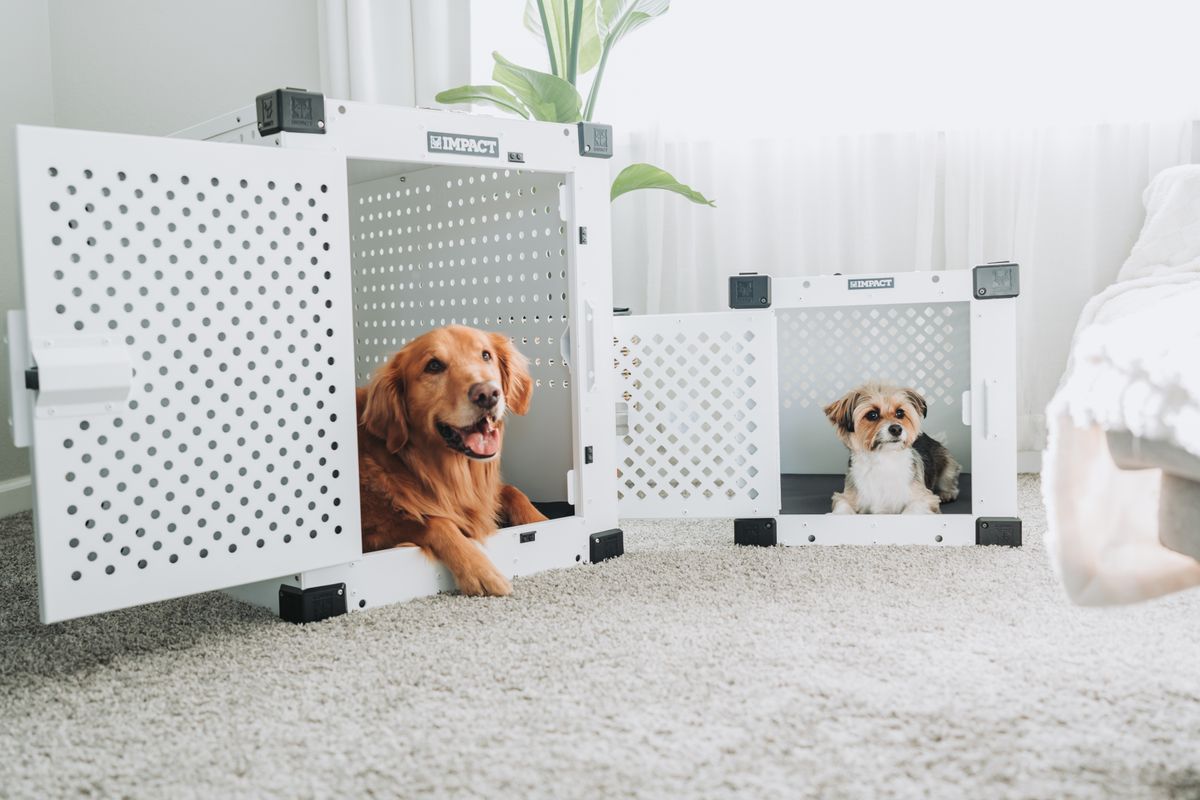
Crate training offers real safety and house-training benefits during the puppy stage — a properly sized, appropriately introduced crate provides a den-like space many puppies find comforting, prevents access to hazards during unsupervised periods, and supports house training by leveraging a dog's natural instinct not to eliminate where they sleep.
Free-roaming (supervised, in a puppy-proofed space) works for some households and puppies, particularly with constant supervision available and a thoroughly puppy-proofed environment, though the unsupervised version of free-roaming carries genuine safety risk given puppies' exploratory chewing and lack of judgment about hazards.
The key distinction is proper introduction and appropriate duration, not the crate itself — a crate introduced positively (never used as punishment, associated with good things like treats and calm time) and used for reasonable periods (not excessive confinement hours) is genuinely different from the negative "locked in a cage all day" image sometimes associated with crating.
Most successful approaches actually combine both — crate time during unsupervised periods (overnight, when you're out) and supervised free-roaming or puppy-proofed room access when you're present and able to actively monitor, rather than treating this as an exclusive either/or choice.
Individual puppy temperament matters — some puppies take to crates easily and find them genuinely calming, while others show more resistance requiring a slower, more patient introduction process.
What to do: Consider combining crate use for unsupervised periods with supervised free access when you're present, introduce any crate positively and gradually, and don't treat this as an all-or-nothing philosophical choice.
For the broader puppy-proofing this decision interacts with, here's a complete guide.
Still have questions?
Don't rely on Google if your pet is showing symptoms. Get a professional opinion in minutes.
Talk to a Vet Now