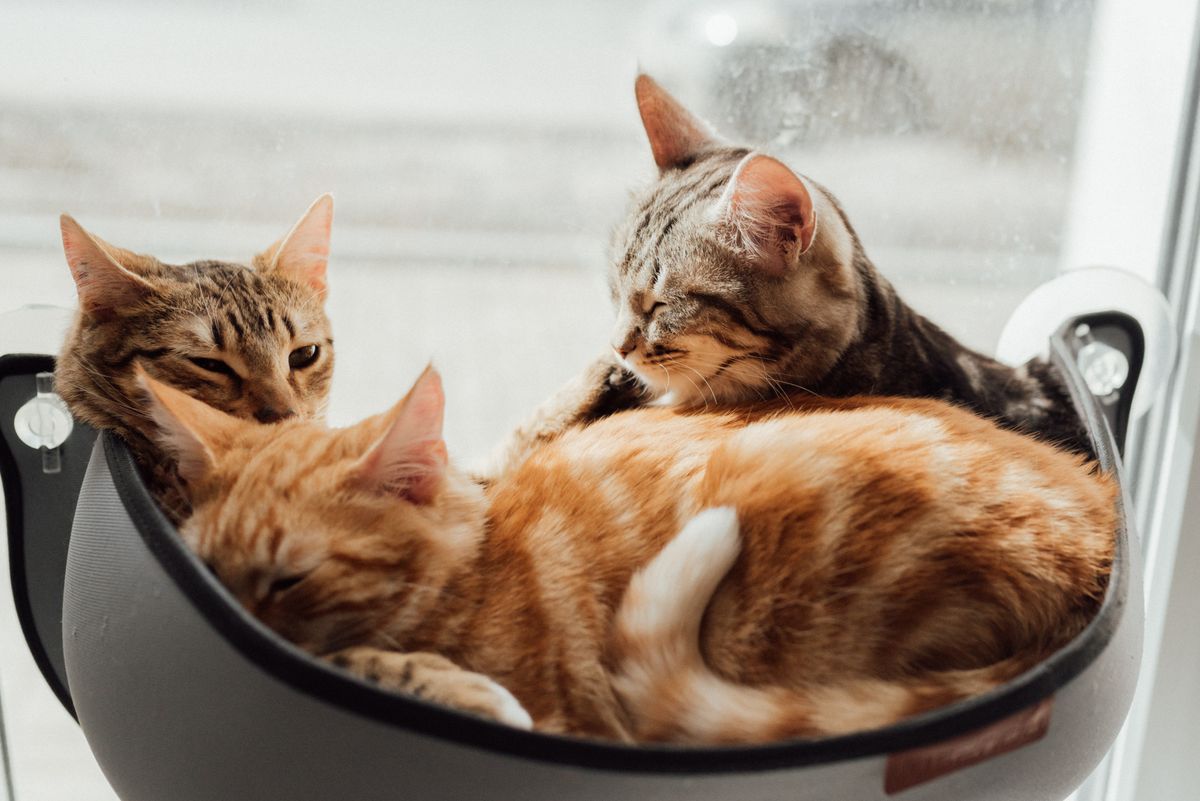
The Night Our Diabetic Cat's Blood Sugar Crashed
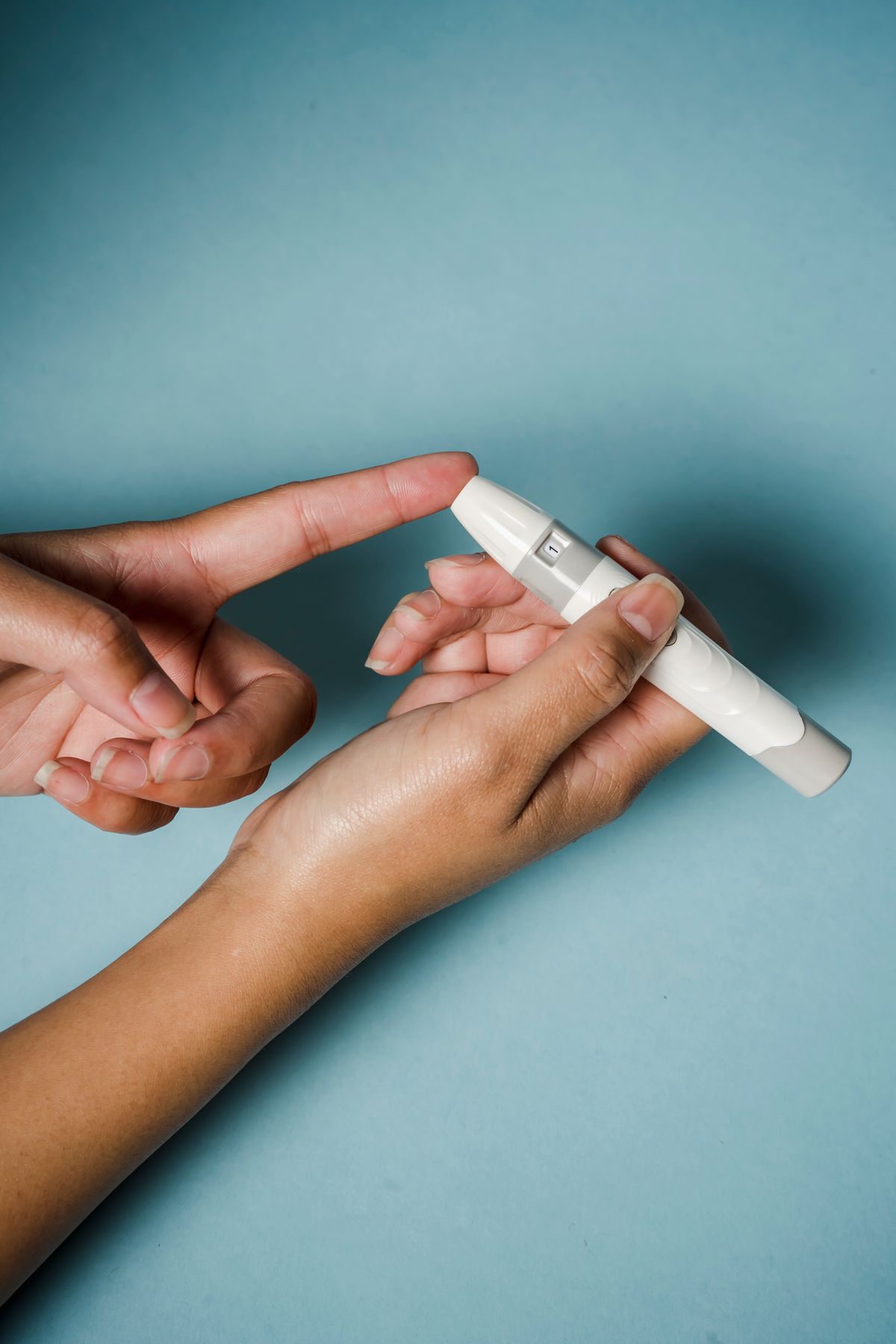
Our cat Simba was diagnosed diabetic about a year before this happened, so by this point we had a routine down: insulin twice a day, consistent feeding times, regular vet checks to adjust his dose. We felt like we'd gotten a handle on it. That confidence made the night his blood sugar crashed scarier, honestly, because it felt like proof we didn't have as much control as I'd thought.
He'd eaten less than usual that evening — maybe two-thirds of his normal portion — but we gave him his regular insulin dose anyway because it hadn't caused a problem before on the occasional light-eating day. About an hour later he was wobbly walking to his water bowl, then just lay down in the middle of the floor, unusual for him, and seemed glassy-eyed and unresponsive to us calling him.
Hypoglycemia in diabetic cats is genuinely dangerous fast — it can lead to seizures or worse if not addressed quickly. We had a small amount of corn syrup on hand, which our regular vet had told us about months earlier for exactly this scenario, and rubbed a bit on his gums immediately while I got the Waggle app open with shaking hands.
The vet confirmed this matched a hypoglycemic episode based on what we described and had us watch closely for improvement within 10-15 minutes of the corn syrup, which is roughly the window you'd expect if that's really what's happening. She stayed on the call the entire time, checking in on his responsiveness. He started perking up within about eight minutes, sitting up, responding to his name again. She still told us this needed a same-day follow-up with our regular vet to check his glucose levels properly and possibly adjust his insulin schedule around days he eats less, which we did the next morning.
What the video vet gave us in that moment wasn't a replacement for our cat's actual diabetes management — it was someone confirming what we were seeing matched a recoverable low blood sugar episode versus something requiring an immediate ER trip, at a moment when panic was making it hard to think clearly on our own.
Managing a chronic condition means most days are routine, and then some days aren't, and knowing the difference in real time is harder than any pamphlet from the vet's office prepares you for.
If your senior pet is dealing with appetite changes more broadly, here's what we went through with a different cat who stopped eating over a weekend. And if ongoing management costs are part of your calculation too, here's the actual math we've found on telehealth versus repeated in-person visits.
Still have questions?
Don't rely on Google if your pet is showing symptoms. Get a professional opinion in minutes.
Talk to a Vet Now