Dog Sedatives for Travel: Safe Options & Vet Guidance
Prepared by the Waggle editorial team. This article is educational, not a diagnosis or an individual veterinary review.
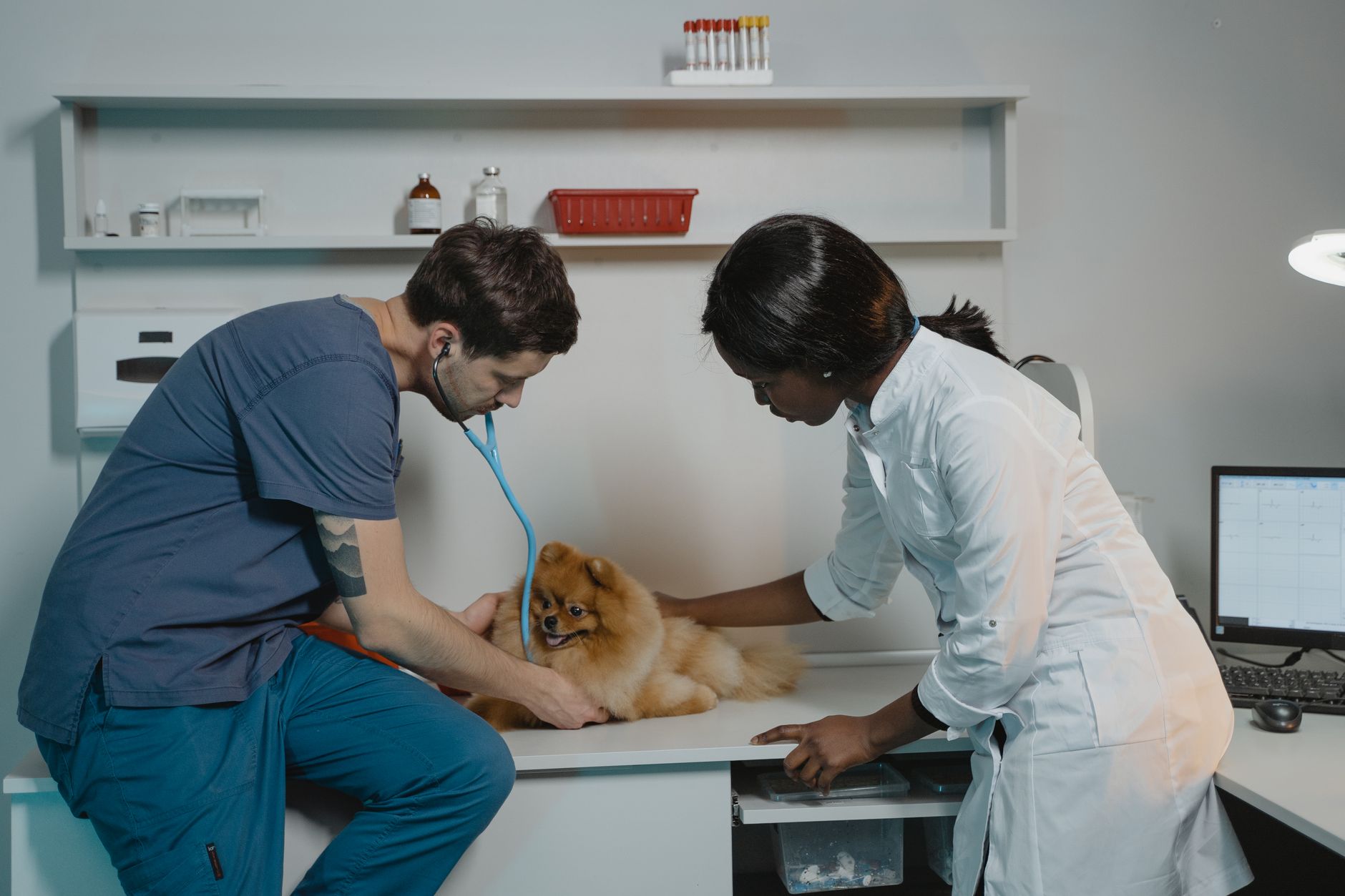
Photo by Tima Miroshnichenko on Pexels. Illustrative photo; not a patient or clinical diagnosis.
Travel stress is real for many dogs. It is natural to wonder whether a sedative could help. The short answer is that sedatives are not always safe, especially for flying, and that the decision belongs with a vet. This guide is general information and not a prescription.
Why vets are cautious about sedating dogs for travel
Sedatives can affect breathing, heart rate, blood pressure and body temperature. In a plane, where your dog is in a carrier, you cannot monitor them closely, and altitude and stress can add risk. Many vets and airlines advise against sedating pets for air travel, and some airlines have rules about it. Dogs that are flat-faced, older or have heart or breathing problems are especially at risk.
Never use human sedatives without a vet
Do not give your dog human sleep aids, tranquilizers or someone else's prescription. Doses and ingredients differ for dogs, and some common products are dangerous. Even over-the-counter products, such as certain antihistamines and supplements, should be checked with a vet first.
What a vet may consider
Depending on your dog and the trip, a vet may discuss:
- Anti-anxiety medication: prescribed for some dogs, usually trialed at home before travel
- Anti-nausea medication for motion sickness
- Behavioral approaches: crate training, desensitization and gradual exposure
- Calming aids: pheromone products, pressure wraps and calming supplements, if appropriate
- Alternatives to flying: driving, or a pet-friendly travel option
Only a vet can decide what is appropriate, after considering your dog's health, age and the type of travel. A trial run before the trip lets you see how your dog responds.
Non-medical ways to reduce travel stress
- Crate train. A carrier your dog loves is the best tool
- Practice short trips. Build up slowly
- Exercise your dog before travel
- Bring familiar items: a blanket or a worn T-shirt
- Stay calm. Dogs pick up on your mood
- Keep the trip short when possible
Talk to a vet early
Do not wait until the night before. Plan a conversation weeks ahead so there is time to test options. If your dog needs a prescription, the vet will decide based on state rules and an assessment of your dog. You can talk to a licensed vet on Waggle Vet about your dog's travel anxiety and what to discuss with your regular vet, and find a vet near me if an exam is needed. Check current Waggle Vet access and eligibility terms.
Keep records ready
Bring vaccine records, health certificates and medication lists, stored in your digital pet health vault.
FAQs
Can I sedate my dog for a flight?
Many vets advise against it. Talk to your vet first.
Can I give my dog Benadryl for travel?
Ask a vet. Dosing and safety vary.
What is the safest way to help an anxious dog travel?
Training, preparation and a plan from your vet.
Service limits and further guidance
Waggle Vet currently provides live chat guidance, not a promised live video or phone consultation. Access, response times and species support depend on current availability and eligibility. Do not assume medication can be prescribed: state licensure, a valid VCPR, veterinary judgment and federal requirements apply. An in-person examination may be needed.
AVMA: telehealth and the veterinarian-client-patient relationship
State telemedicine permissions do not remove federal requirements. A federally defined VCPR cannot be established solely through telemedicine; an examination or medically appropriate premises visits are required for activities such as extra-label drug use.
FDA: VCPRs, prescribing and telemedicine
AVMA: traveling with your dog or cat
USDA APHIS: pet travel and destination requirements
Sources checked October 14, 2026. These references do not constitute veterinary review or endorsement of this article.
Related reading
- How to Fly With a Dog: The Complete 2026 Airline & Prep Guide
- United Airlines Pet Policy 2026: Fees, Carrier Rules & Tips
- Best Travel Litter Boxes & How to Use One on the Road
Waggle resources
Find nearby veterinary clinics; call to confirm availability
Still have questions?
For non-emergency questions, explore Waggle Vet. Trouble breathing, collapse, suspected poisoning or other severe signs need immediate in-person emergency care—do not wait for an online chat.
Explore Waggle Vet