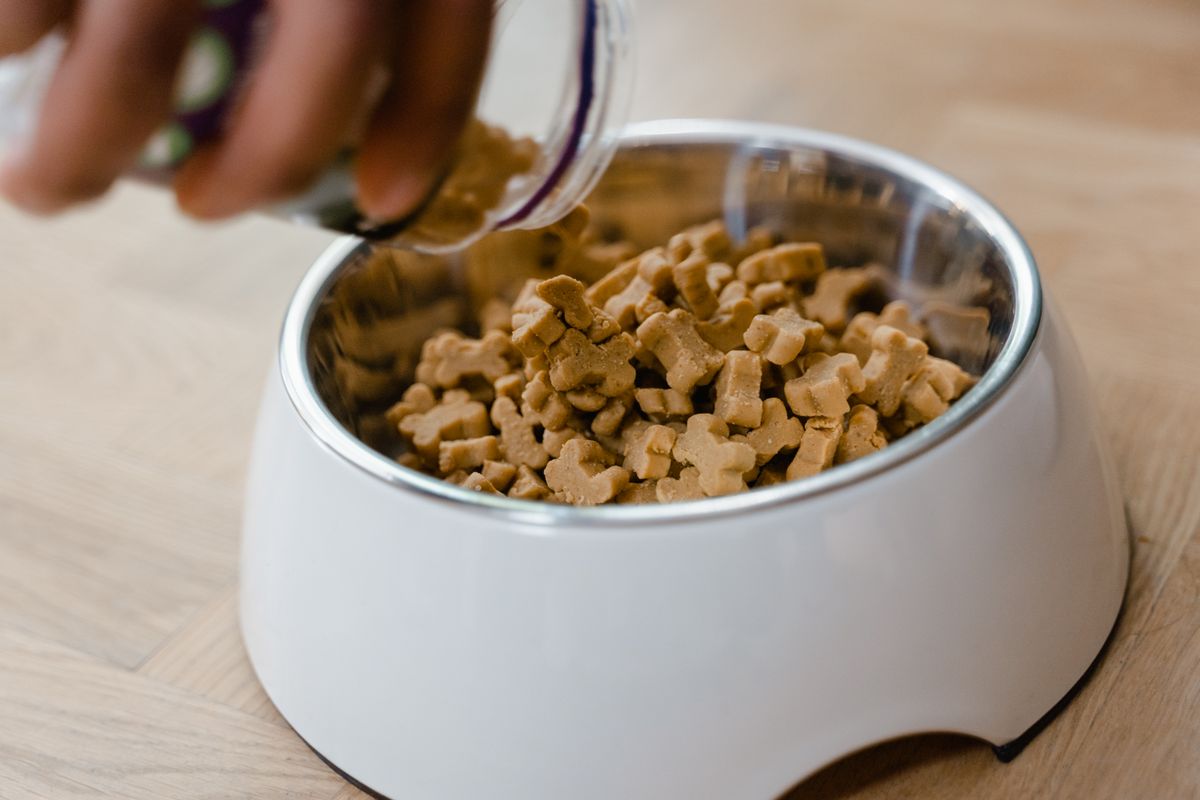
Home-Cooked Diets vs. Commercial Pet Food

Home-cooked diets appeal to many owners for the ingredient control and involvement they offer, and they can genuinely be a good option — but the nutritional completeness challenge involved is more significant than it might initially appear, making this a decision that benefits from professional guidance rather than independent recipe assembly.
Nutritional completeness requires precise attention to numerous nutrients beyond just protein, fat, and calories — specific vitamin and mineral ratios, particularly calcium-to-phosphorus balance, are easy to get wrong in a homemade diet without careful formulation, and deficiencies or excesses from an imbalanced homemade diet can develop gradually and cause real health problems over months or years of feeding an inadequate recipe.
Commercial diets meeting established nutritional standards (checking for an AAFCO statement of nutritional adequacy on the label) have undergone formulation to meet comprehensive nutrient requirements, providing a reliability that's genuinely harder to replicate independently at home without similar formulation expertise.
Working with a board-certified veterinary nutritionist to formulate a home-cooked diet, rather than following an internet recipe or general guidelines, provides a path to genuine nutritional completeness for owners who want the home-cooking approach — this typically involves a consultation fee but produces a diet actually verified for nutritional adequacy for your specific pet.
Home cooking does offer genuine advantages for pets with specific dietary needs or sensitivities not well addressed by commercial options, or for owners who prioritize ingredient sourcing and preparation control for their own reasons.
The time and cost investment of proper home cooking is often underestimated — genuinely nutritionally complete home cooking, done consistently, typically requires more time and often more cost than commercial food, a practical consideration worth factoring in alongside the nutritional formulation challenge.
What to do: If pursuing home cooking, work with a board-certified veterinary nutritionist to formulate a genuinely complete diet rather than relying on general internet recipes, and honestly weigh the time and cost commitment against commercial alternatives.
For the related raw feeding comparison that shares some of these same nutritional completeness considerations, here's a closer look.
Still have questions?
Don't rely on Google if your pet is showing symptoms. Get a professional opinion in minutes.
Talk to a Vet Now