Human Foods That Are Safe (and Toxic) for Pets
Prepared by the Waggle editorial team. This article is educational, not a diagnosis or an individual veterinary review.
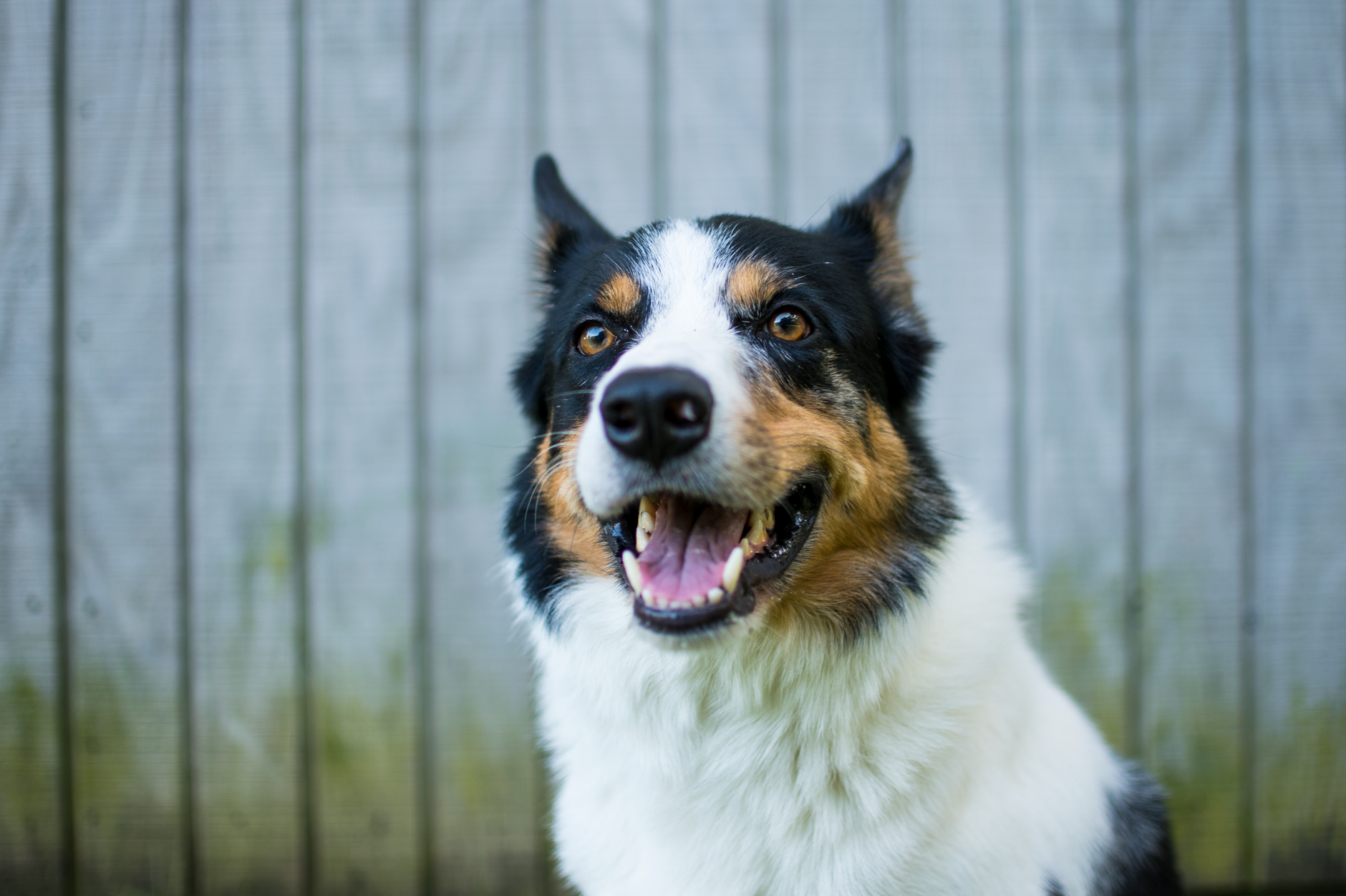
Photo by Brixiv on Pexels. Illustrative photo; not a patient or clinical diagnosis.
Sharing food feels like love, but some human foods are dangerous for pets. Use this guide, and check with your vet when unsure.
If your pet has trouble breathing, collapses, cannot urinate, has an ongoing/repeated seizure or may have swallowed poison, call an emergency veterinary clinic immediately. Do not wait for an online consultation or for paperwork.
Generally safe in small amounts (plain, no seasoning)
- Carrots, green beans and cucumber
- Blueberries, apple slices (no seeds) and seedless watermelon
- Plain cooked chicken, turkey or lean beef
- Cooked eggs
- Plain cooked rice or plain pumpkin
- Xylitol-free peanut butter for dogs
Treats should stay under about 10 percent of daily calories, and new foods should be introduced slowly.
Toxic or dangerous
Chocolate and caffeine
Xylitol, found in sugar-free gum, candy, some peanut butters and baked goods
Grapes, raisins and currants
Onions, garlic, chives and leeks
Macadamia nuts
Alcohol and raw yeast dough
- Cooked bones, which can splinter
- Fatty or fried foods, which may trigger pancreatitis
Cats
Cats shouldn't have onions, garlic, chocolate or alcohol. Lilies are extremely toxic. Many cats are lactose intolerant, so milk can upset their stomachs.
Birds and exotics
Avocado, chocolate, caffeine, alcohol and salty foods can be dangerous for birds. Rabbits and small mammals have different dietary needs, so ask a vet before offering treats.
If your pet eats something toxic
Call your vet, an emergency clinic or a poison helpline right away: the ASPCA Animal Poison Control Center at (888) 426-4435 or Pet Poison Helpline at (855) 764-7661 (fees may apply). Find a vet near me if you need care now.
FAQs
Can I give my dog table scraps?
Occasional plain, safe foods are fine, but fatty scraps and seasoned foods aren't.
Who can I ask about a specific food?
Talk to a licensed vet on Waggle Vet, any time, including after hours.
Related reading
- How to Read a Pet Food Label Like a Vet
- Switching Pet Foods Safely Without Upset Stomachs
- What Belongs in Your Pet's Complete Health File
Waggle resources
Find nearby US veterinary clinics
Sources and further guidance
- Merck Veterinary Manual: veterinary-reviewed pet owner resources
- AVMA: first aid for pet owners
- FDA: pet food regulation and labeling resources
Sources checked October 13, 2026. These references inform the guidance; they do not mean the authors medically reviewed or endorsed this article.
Still have questions?
For non-emergency questions, explore Waggle Vet. Trouble breathing, collapse, suspected poisoning or other severe signs need immediate in-person emergency care—do not wait for an online chat.
Explore Waggle Vet