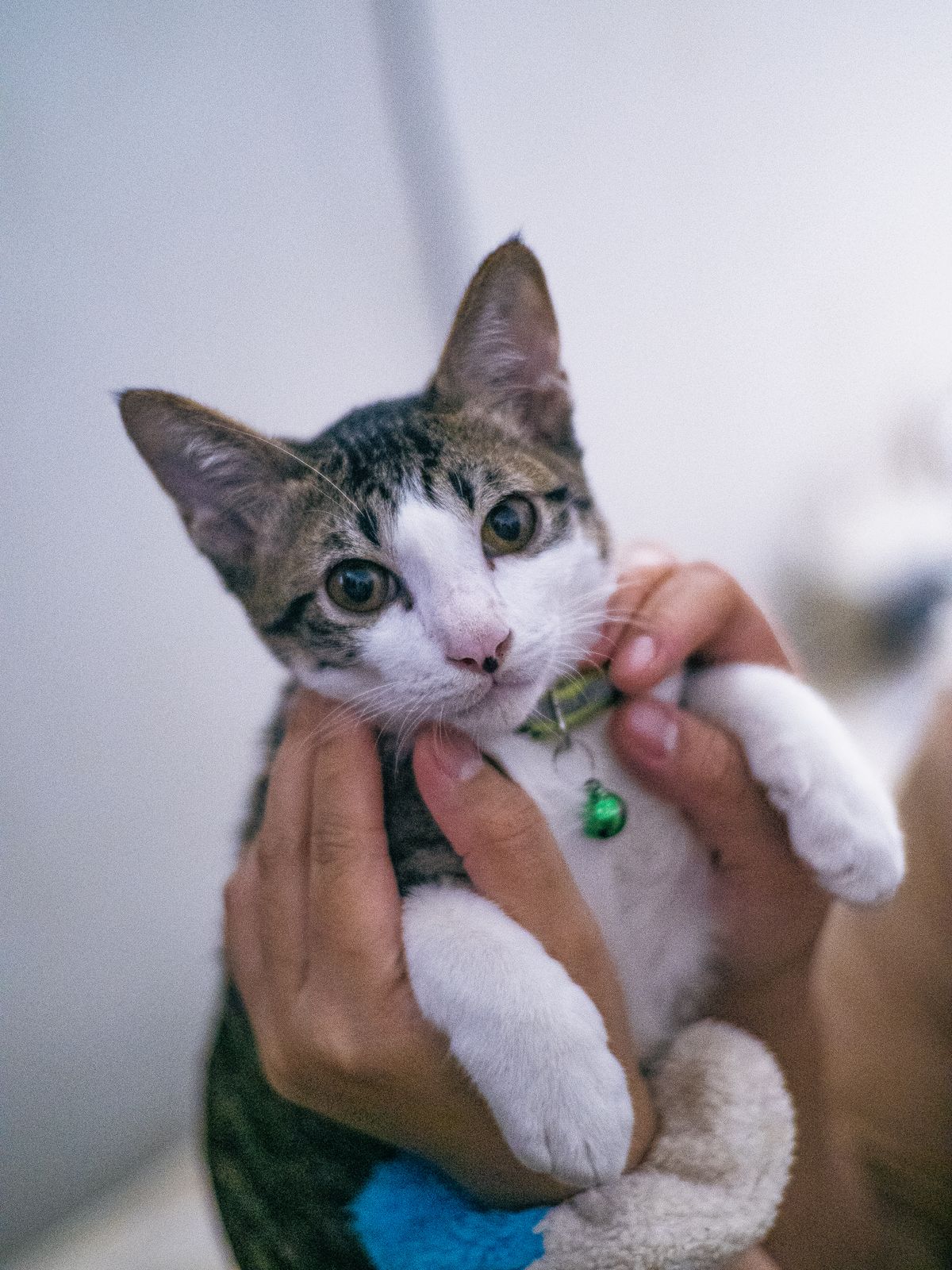
Kitten Teething and Dental Development
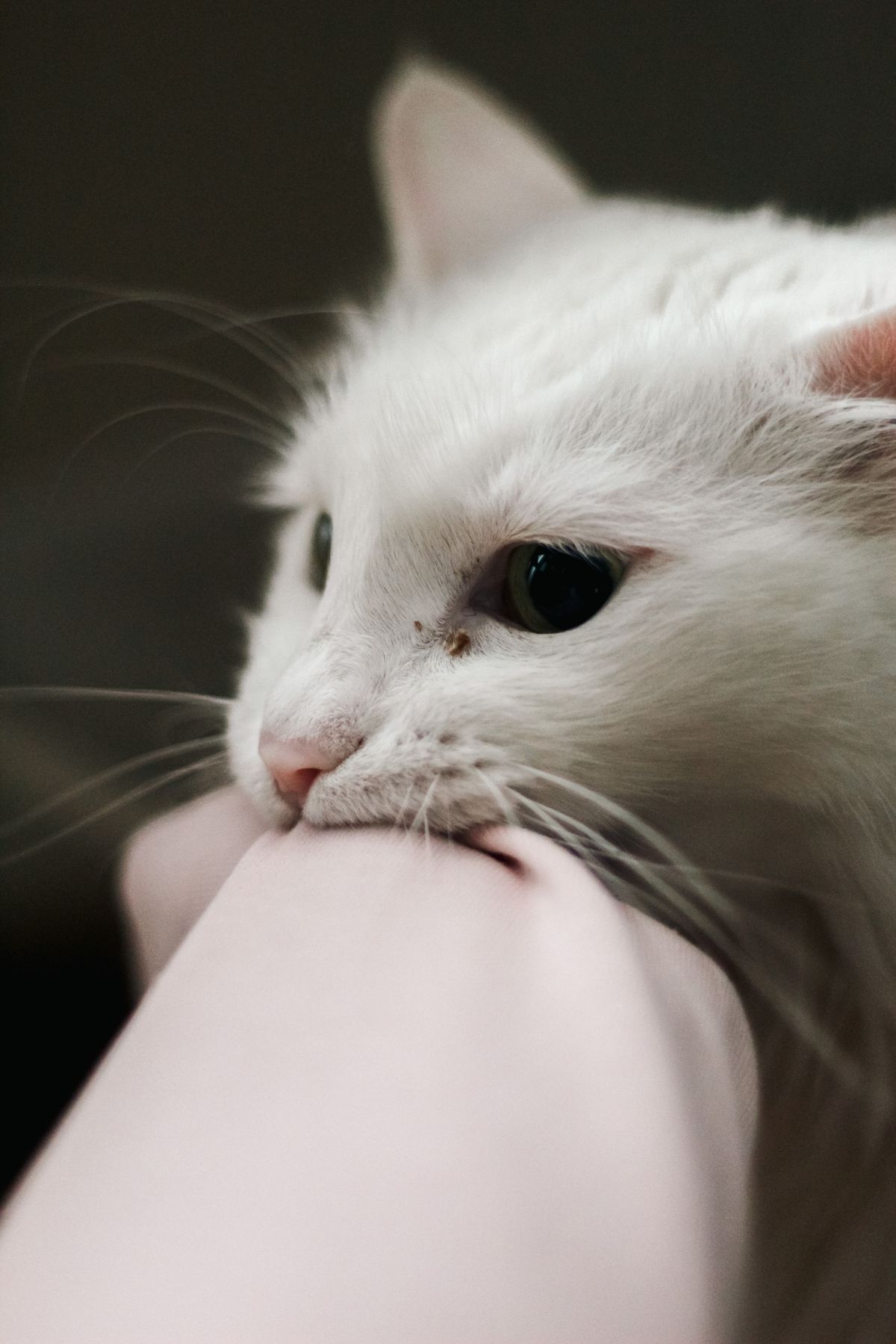
Kittens lose their baby teeth and grow in their adult set on a somewhat faster and more compressed timeline than puppies, typically beginning around 3-4 months and generally complete by around 6 months.
Increased chewing and mouthing behavior is expected during this window, similar to puppies, as kittens seek relief from gum discomfort — this is a normal part of the process and part of why kitten-proofing includes particular attention to small chewable objects during this specific age range.
Mild symptoms are typical: some drooling, mild and generally self-resolving gum bleeding, and possibly some reduced interest in harder textures of food temporarily while gums are sensitive.
Retained baby teeth, similar to the dog equivalent, occasionally occur when an adult tooth grows in without the corresponding baby tooth falling out on its own — this is checked for at routine kitten visits and sometimes requires a minor procedure to remove the retained tooth if it persists past the expected teething window.
Dental health habits established during this period pay off long-term — cats are prone to dental disease as they age, and while a kitten's teething window itself isn't the time for a full dental care routine, getting a kitten comfortable with mouth handling during this developmentally receptive period makes future tooth brushing and dental exams considerably easier than starting that habit with an already-established adult cat who's unfamiliar with mouth handling.
What to do: Expect normal increased chewing during this window, mention any retained baby teeth noticed to your vet, and consider using this generally receptive developmental period to build comfort with mouth handling for easier dental care later in life.
For the broader adult dental health picture this period contributes to, here's more.
Still have questions?
Don't rely on Google if your pet is showing symptoms. Get a professional opinion in minutes.
Talk to a Vet Now