Kitten Vaccination Schedule: What to Expect
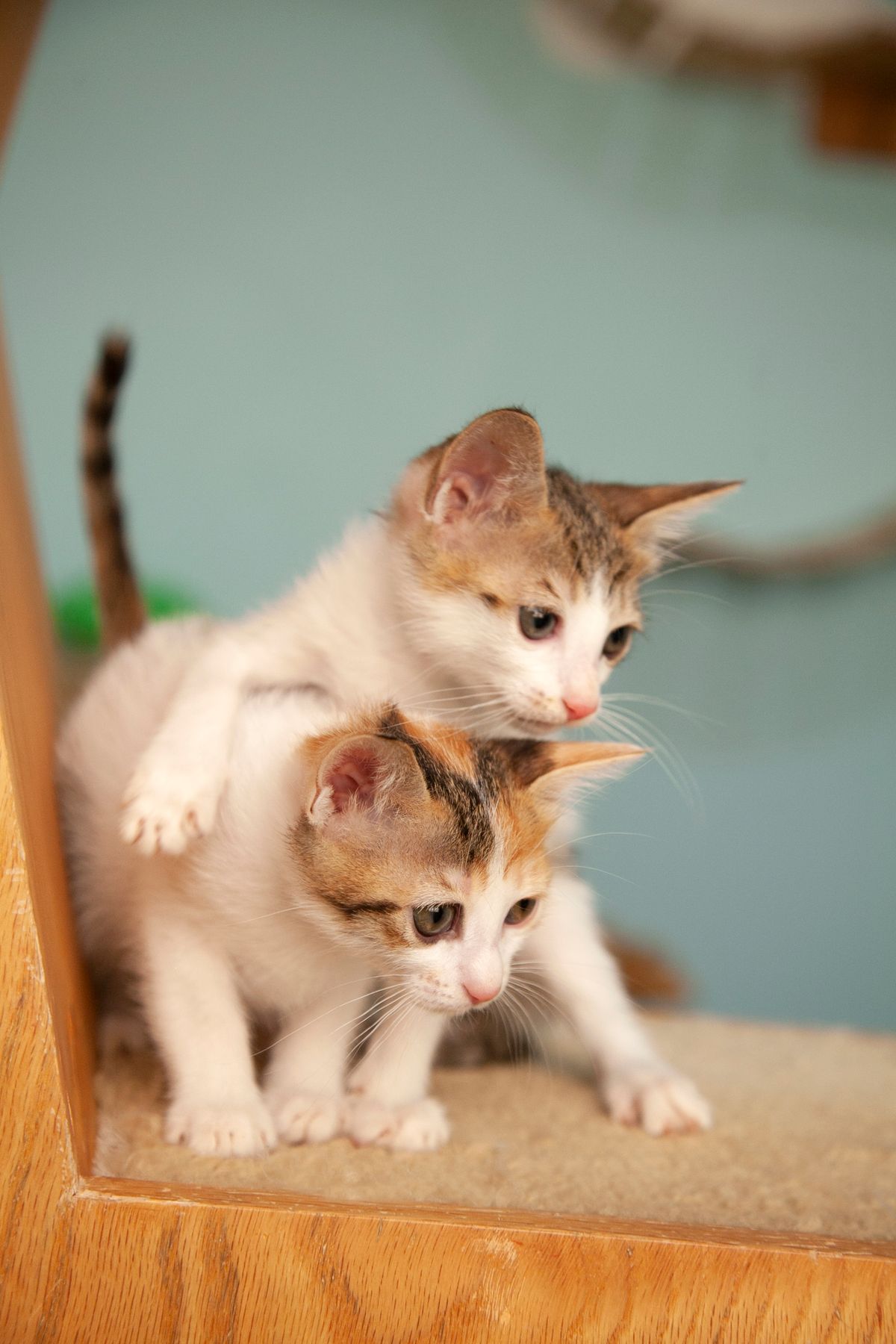
Kitten vaccines follow a similar multi-dose logic to puppies — maternal antibodies provide temporary, fading protection, and a series of doses ensures the kitten's own immune system responds at some point once maternal antibody interference has cleared, rather than relying on a single dose that might be neutralized too early.
A typical schedule starts around 6-8 weeks with the first combination vaccine, commonly covering feline viral rhinotracheitis, calicivirus, and panleukopenia (sometimes referred to together as FVRCP), with additional doses roughly every 3-4 weeks until around 16 weeks. Rabies is typically given once during this window as well, generally required by law in most areas.
Feline leukemia virus (FeLV) vaccination is a meaningful decision point specific to cats — recommended more strongly for kittens with any outdoor access or exposure to other cats of unknown status, since FeLV spreads through close contact and can cause serious long-term health consequences. Purely indoor cats with no exposure risk have a different risk-benefit calculation than kittens headed for any outdoor access.
Full protection isn't achieved until the series completes, generally around 16 weeks, which is relevant for decisions about outdoor access timing and exposure to unknown-status cats during this window.
Respiratory vaccine components matter given how common upper respiratory infections are in kittens — the vaccines don't guarantee zero risk of infection, but they generally reduce severity if infection does occur, which is part of why staying current matters even for kittens with minimal outdoor exposure.
What to do: Follow your vet's specific schedule, discuss FeLV vaccination based on your kitten's expected lifestyle (indoor-only versus any outdoor access), and understand full protection takes the complete series to achieve.
For the respiratory infections these vaccines help manage the severity of, here's more detail.
Still have questions?
Don't rely on Google if your pet is showing symptoms. Get a professional opinion in minutes.
Talk to a Vet Now