Puppy Teething: What to Expect and How to Help
Puppies lose their baby (deciduous) teeth and grow in their adult set over a fairly defined window, typically starting around 3-4 months and generally complete by around 6 months, though some individual variation exists.
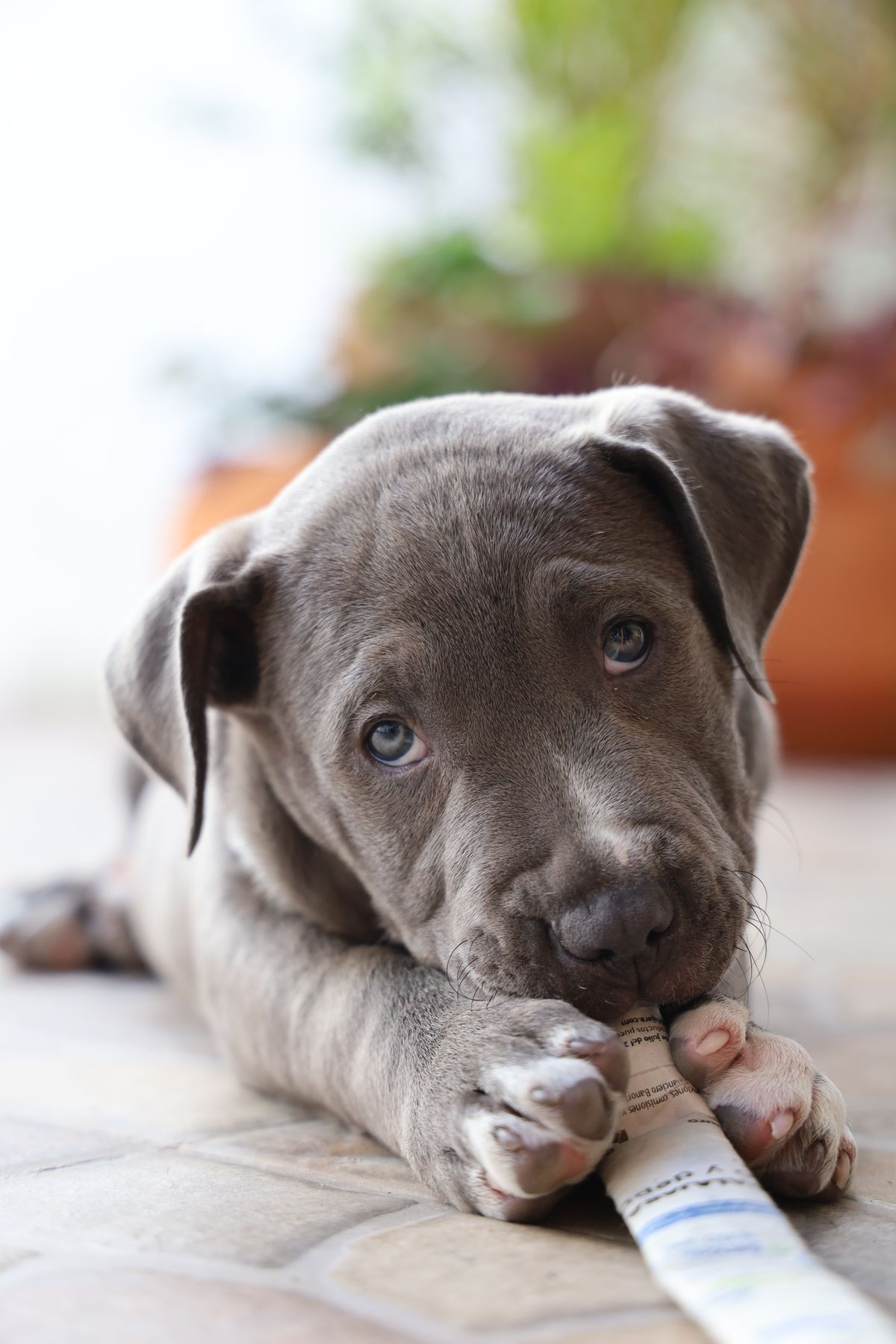
Increased chewing behavior during this period is normal and expected — puppies seek out chewing to relieve gum discomfort as new teeth push through, which is exactly why puppy-proofing and providing appropriate chew toys matters so much during this specific window, more than at any other life stage.
Mild symptoms are typical: some drooling, occasional mild bleeding from the gums (usually minor and self-resolving), reduced interest in harder foods temporarily, and mild irritability are all within the range of normal teething discomfort.
Retained baby teeth are worth watching for — sometimes an adult tooth grows in without the corresponding baby tooth falling out on its own, leaving both present in the mouth, which can cause crowding and future dental problems if not addressed. This is something your vet checks for at routine visits during and after the teething period, and sometimes requires a minor procedure to remove the retained tooth if it doesn't fall out naturally.
Appropriate chew toys reduce destructive chewing on household items, and choosing toys appropriately sized and textured for a teething puppy (not too hard, which can damage still-developing teeth, but substantial enough to provide relief) makes this period more manageable for both puppy and owner.
What to do: Provide appropriate chew toys during the teething window, expect increased chewing as normal rather than a behavioral problem to correct, and mention any retained baby teeth you notice to your vet at the next visit if they don't fall out within the expected timeframe.
For the broader picture on adult dental health this period sets the stage for, here's more.
Still have questions?
Don't rely on Google if your pet is showing symptoms. Get a professional opinion in minutes.
Talk to a Vet Now