Rescue Adoption vs. Breeder: Health Considerations
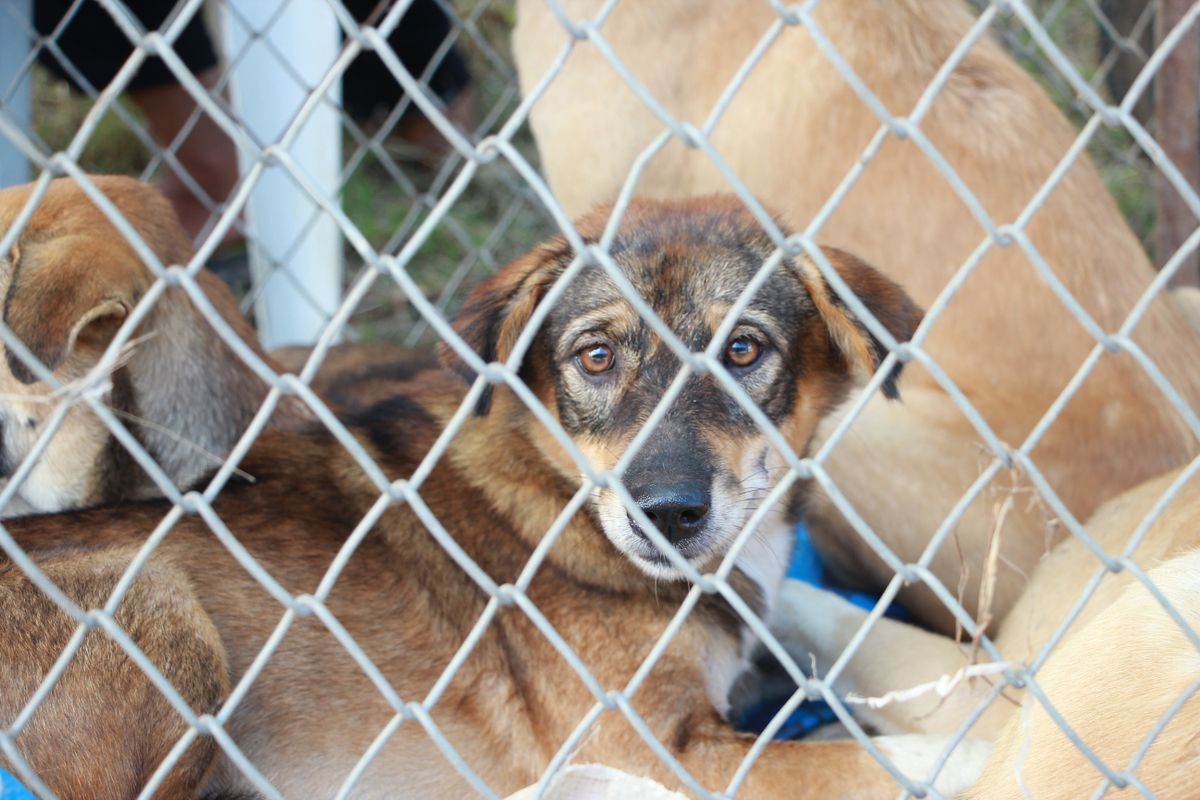
Both paths can lead to a healthy, well-adjusted pet, and the health-specific considerations here are less about declaring one option universally superior and more about understanding what to look for and expect from each path.
Rescue and shelter pets often come with limited or unknown health history, particularly for strays or pets surrendered with minimal information, meaning a thorough initial vet visit and screening matters more here than it might for a pet with a fully documented background — this uncertainty is a genuine trade-off, not a reason to avoid rescue, but worth planning for realistically.
Responsible breeders provide health screening documentation for known breed-specific concerns — hip and elbow scoring, cardiac evaluations, genetic testing for conditions common to that specific breed — giving more predictable insight into a puppy's likely health trajectory than is typically available for a rescue pet of unknown background, provided the breeder is genuinely conducting this screening rather than just claiming to.
Rescue pets often show lower rates of certain breed-specific genetic conditions simply due to higher rates of mixed ancestry, similar to the general purebred-versus-mixed-breed health pattern covered elsewhere, though this isn't guaranteed for rescue pets that happen to be purebred or from a specific problematic lineage.
Irresponsible breeding (puppy mills, backyard breeders without health screening) can produce puppies with significant, sometimes hidden health issues despite being technically purebred — the breeder path's health advantage only holds when the breeder is genuinely conducting appropriate health screening, making breeder vetting a critical, non-optional step rather than a nice-to-have.
Shelter and rescue organizations increasingly conduct their own veterinary screening before adoption, including basic health checks, vaccinations, and spay/neuter, providing a meaningful baseline even without full historical records.
What to do: For rescue adoption, plan for a thorough initial vet workup given likely limited history; for breeder puppies, verify actual health screening documentation rather than taking claims at face value, and be wary of any breeder unwilling to provide this documentation.
For what to expect health-wise specifically with adult or senior rescue adoption, here's a related guide.
Still have questions?
Don't rely on Google if your pet is showing symptoms. Get a professional opinion in minutes.
Talk to a Vet Now