Senior Dog Care: What Changes After Age 7
Prepared by the Waggle editorial team. This article is educational, not a diagnosis or an individual veterinary review.
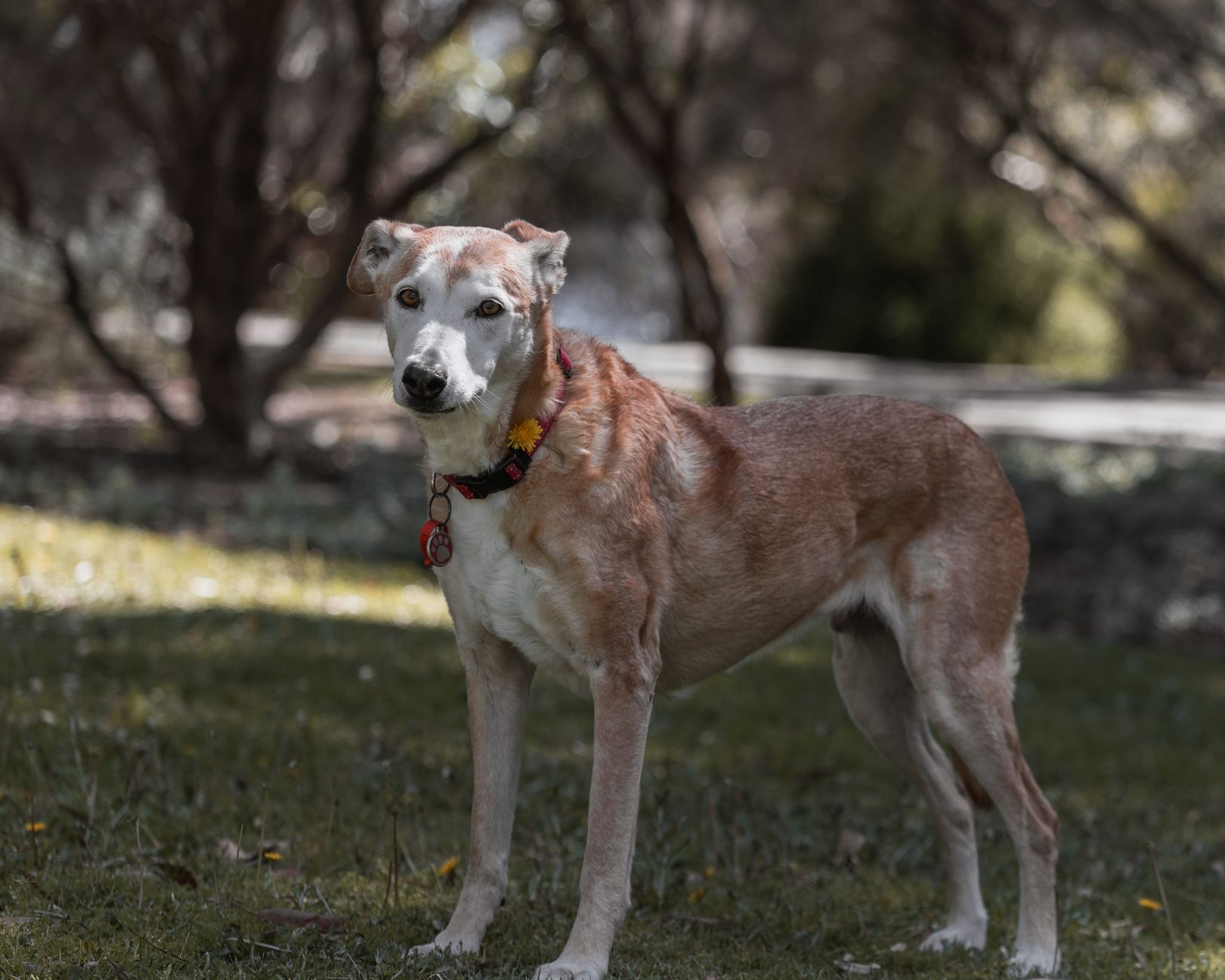
Photo by Ajay Lamichhane on Pexels. Illustrative photo; not a patient or clinical diagnosis.
Dogs age at different speeds. Large breeds are often considered seniors around age 6 or 7, while small breeds may not reach that stage until 9 or 10. Whatever your dog's size, age 7 is a good time to start thinking about senior dog care, because small changes caught early are easier to manage.
Joints and mobility
Stiffness after naps, hesitating on stairs or slowing down on walks can point to arthritis. Orthopedic bedding, ramps, traction mats and shorter, more frequent walks help. Ask your vet about pain relief options. Never give human pain medication to a dog.
Weight and metabolism
Older dogs burn fewer calories. Extra weight strains joints and the heart, while unexplained weight loss can signal illness. Weigh your dog monthly and review their food with your vet.
Dental health
Dental disease affects most dogs by middle age and can lead to pain, infection and trouble eating. Daily brushing and regular dental exams matter more as dogs get older.
Senses and mind
Cloudy eyes, missed commands and startling easily can mean vision or hearing loss. Confusion, pacing at night or forgetting house training may signal cognitive changes. Keep routines steady and mention changes to your vet.
Vet visits for senior dogs
Many vets recommend wellness exams every six months for seniors, often with bloodwork, urine tests and blood pressure checks. These screen for kidney disease, thyroid problems, diabetes and heart conditions before obvious symptoms appear. To schedule one, find a nearby veterinarian.
Signs to flag early
- Drinking or urinating much more than usual
- Weight loss or loss of appetite
- New lumps or bumps
- Coughing, tiring quickly or labored breathing
- Limping or reluctance to move
FAQs
Should a senior dog eat different food?
Often, yes. Calorie, protein and supplement needs vary by dog, so ask your vet before changing diets.
Can I get advice without an in-person visit?
For questions and concerns between exams, you can talk to a licensed vet on Waggle Vet, any time of day. It works alongside your regular vet.
Keep your older dog's history organized in your pet health vault, then start a chat with a vet whenever something seems off. Check current access and eligibility in the app.
Related reading
- Puppy's First Year: A Month-by-Month Health Checklist
- Kitten Health Milestones Every New Owner Should Track
- What Belongs in Your Pet's Complete Health File
Waggle resources
Find nearby US veterinary clinics
Store pet documents with Waggle Vault
Sources and further guidance
- Merck Veterinary Manual: veterinary-reviewed pet owner resources
- AAHA: senior care guidance for dogs and cats
Sources checked October 13, 2026. These references inform the guidance; they do not mean the authors medically reviewed or endorsed this article.
Still have questions?
For non-emergency questions, explore Waggle Vet. Trouble breathing, collapse, suspected poisoning or other severe signs need immediate in-person emergency care—do not wait for an online chat.
Explore Waggle Vet