Socialization Windows: Why Timing Matters for Puppies
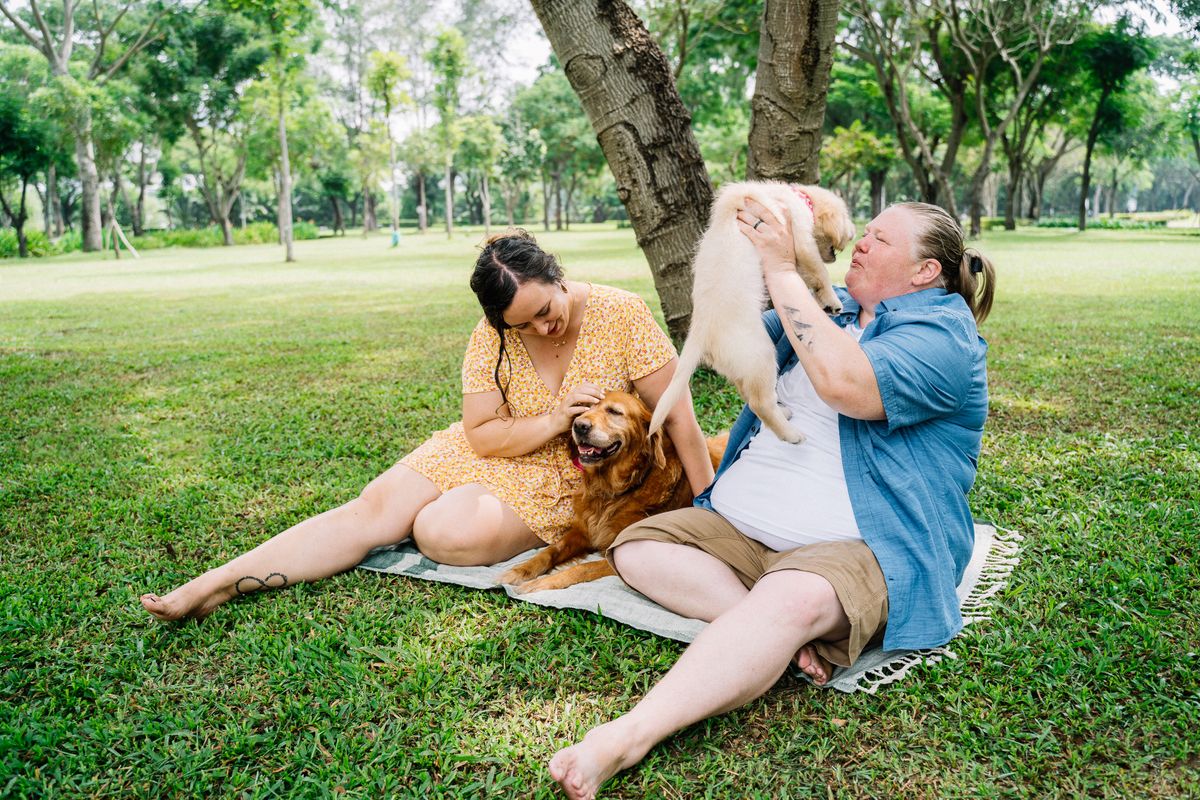
Behavioral research has identified a specific developmental window, roughly between 3 and 14 weeks of age, where puppies are particularly receptive to new experiences shaping their long-term temperament — positive, varied exposure during this period has an outsized effect on adult confidence and behavior compared to the same exposure introduced later.
This creates a genuine tension with vaccination timing — the socialization window closes before the vaccine series is typically complete around 16 weeks, meaning some exposure during this critical period happens before full immune protection. Many vets now recommend a balanced approach: controlled, lower-risk socialization (well-vaccinated adult dogs, puppy classes specifically designed with health screening for attendees, new people and environments that don't involve unknown-vaccination-status dog contact) rather than avoiding all socialization until the series is complete.
Variety matters more than volume — exposure to different types of people (various ages, appearances, mobility aids), different surfaces, sounds, and environments tends to build more robust adult confidence than repeated exposure to the same few things, even if the total number of "socialization events" is similar.
Negative or overwhelming experiences during this window can have an outsized effect too — a frightening experience during this sensitive period can contribute to lasting fear responses more than the same experience would at a later age, which is part of why controlled, positive exposure (rather than simply maximizing exposure) is the actual goal.
Missing this window doesn't mean a dog is doomed to poor socialization — older puppies and adult dogs can still learn and adjust, just generally with more deliberate effort than would have been needed during the sensitive period.
What to do: Prioritize varied, positive, low-risk socialization experiences during the 3-14 week window, balancing this against reasonable vaccination-related caution, and don't force overwhelming experiences in the name of "getting it done."
For managing anxiety related to environmental change more broadly, here's a related look at that topic.
Still have questions?
Don't rely on Google if your pet is showing symptoms. Get a professional opinion in minutes.
Talk to a Vet Now