Wet Food vs. Dry Food: Which Is Actually Better?
Neither format is universally superior — each has genuine, specific advantages, and the right choice depends more on your individual pet's needs than a blanket rule favoring one over the other.
Wet food's biggest advantage is hydration support, given its high moisture content, which matters particularly for cats, who often don't drink enough water on a dry-food-only diet and can benefit meaningfully from the added moisture, particularly relevant for supporting kidney and urinary tract health over time.
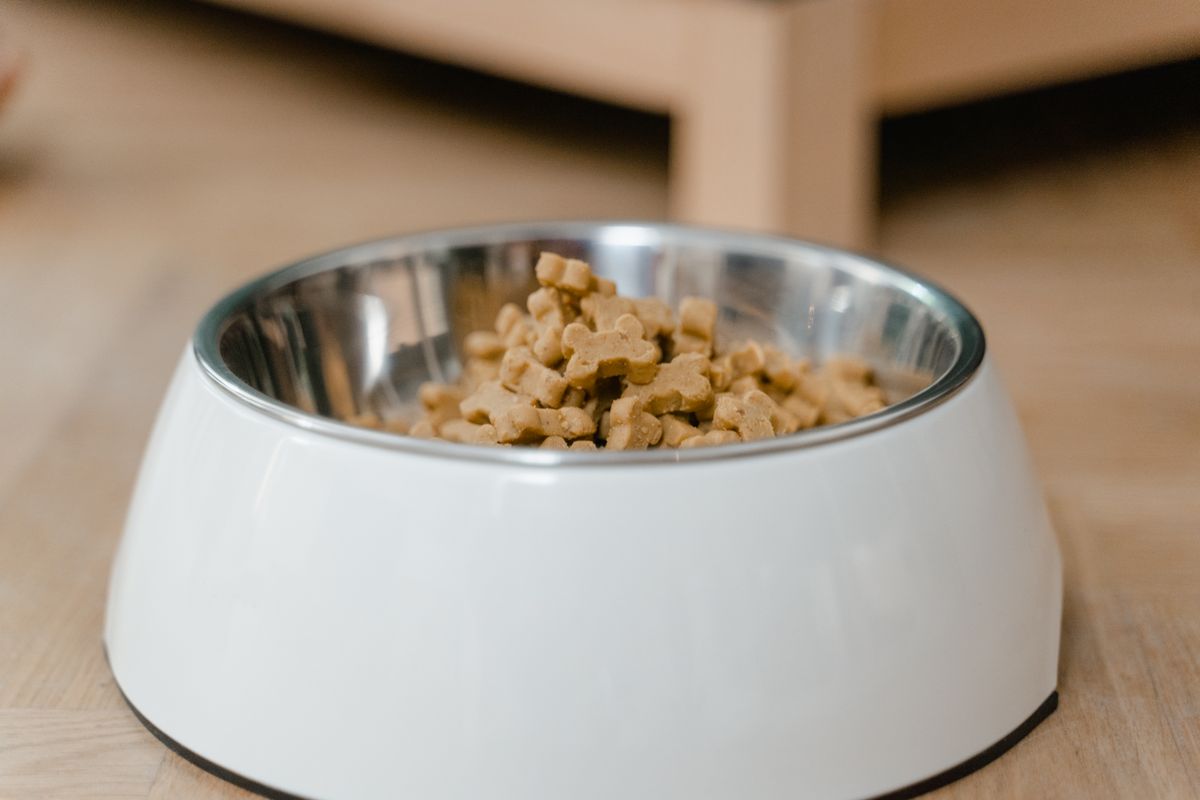
Dry food's practical advantages include cost efficiency, longer shelf life, and convenience for free-feeding or travel, along with some (though more limited than commonly claimed) dental benefit from the mechanical chewing action, though this effect is modest compared to actual dental care like brushing or professional cleaning.
Wet food is often more palatable for picky eaters or pets with reduced appetite, including senior pets or those recovering from illness, given its stronger aroma and often more appealing texture for pets with a diminished sense of smell or reduced interest in eating.
Cost is a real practical difference — wet food generally costs more per calorie than dry food, which matters for larger dogs or multi-pet households where the cost difference compounds meaningfully over time.
Combining both is a common and reasonable approach, using dry food as a base with wet food mixed in or offered separately, capturing some of each format's advantages rather than committing entirely to one.
Specific health conditions sometimes point clearly toward one format — urinary health concerns often favor wet food's hydration benefit, while certain conditions or logistical situations might favor dry food's convenience and stability.
What to do: Consider your pet's specific hydration needs, appetite patterns, and your household's practical constraints (cost, multi-pet feeding logistics) rather than assuming one format is objectively correct for every pet.
For cats specifically, where the hydration argument carries particular weight, here's more on weight and health management considerations.
Still have questions?
Don't rely on Google if your pet is showing symptoms. Get a professional opinion in minutes.
Talk to a Vet Now