What Information Waggle Vet Needs From You During a Call
Having specific information ready before or during a consultation helps the vet assess your situation more efficiently, which matters especially when you're calling under genuine stress and might not naturally think to share everything relevant.
Basic pet identification: species, breed, age, and approximate weight — these basics shape how a vet interprets everything else you describe, since normal ranges and risk factors vary considerably by these factors.
Existing health context: any known chronic conditions, current medications (including supplements), known allergies, and relevant recent history like a new food, a recent vet visit, or a recent travel/environment change.
A specific, detailed description of the current concern: what you're observing, when it started, and how it's changed since onset — precise details ("vomited twice, both times clear liquid, over the past three hours") give a vet much more to work with than general descriptions ("he seems off").
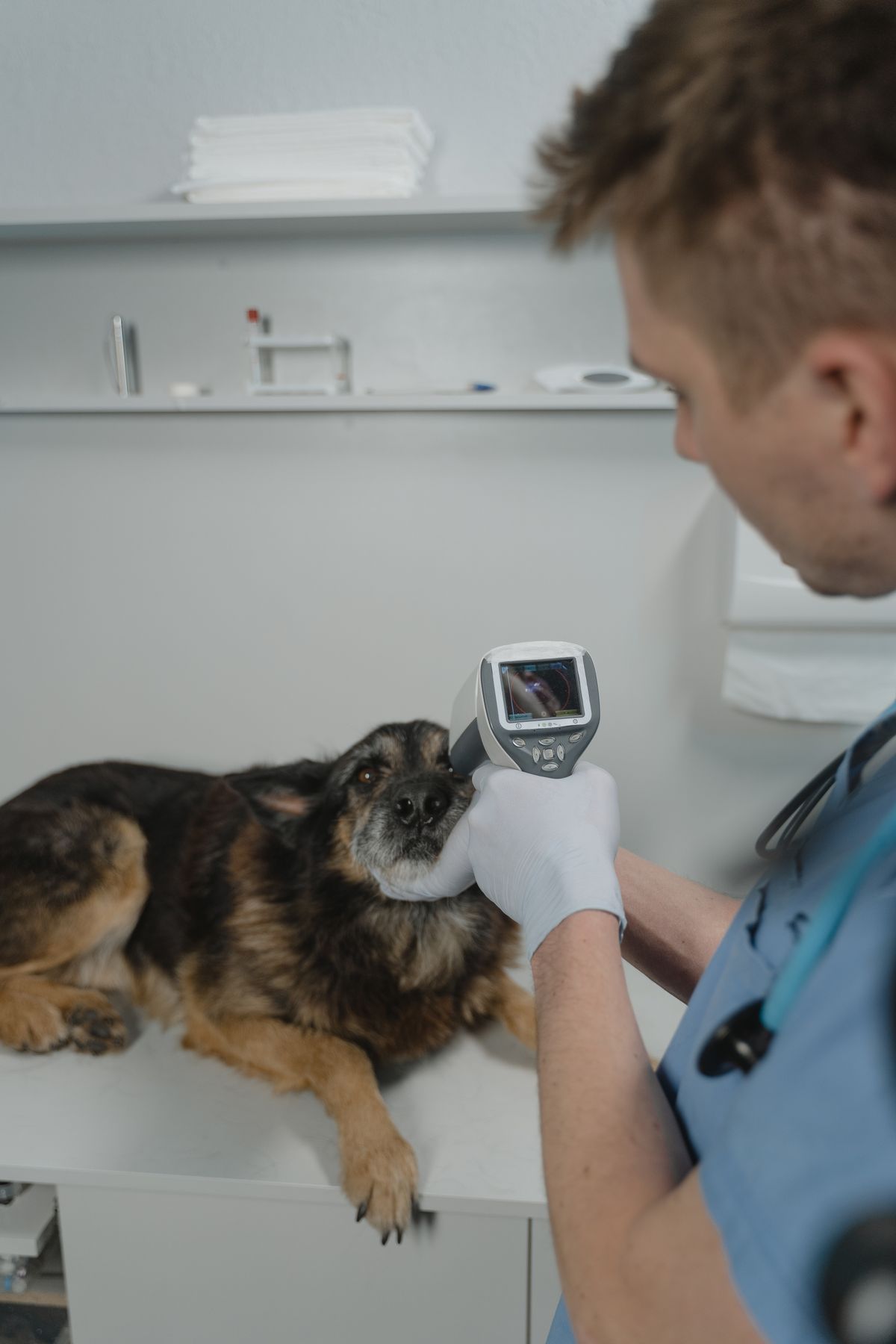
Visual information when relevant: the vet may ask you to show something specific on camera — gum color, a wound, how your pet is moving, or a specific area of concern — so being ready to position your pet and your camera for this is genuinely useful.
What you've already tried or given, including any medications, home remedies, or interventions attempted before the call, which matters both for understanding the full picture and avoiding a suggestion that conflicts with something already done.
Your own specific questions and concerns — coming into the call with what you actually want to know, rather than assuming the vet will address everything on their own, helps ensure your specific worries get answered directly.
What to do: Take a moment before connecting to organize these categories of information, even briefly, since this preparation genuinely shapes how efficiently and effectively the consultation can address your situation.
For the broader preparation habits that make any consultation go more smoothly, here's the fuller guide.
Still have questions?
Don't rely on Google if your pet is showing symptoms. Get a professional opinion in minutes.
Talk to a Vet Now