What Waggle Vet Can and Can't Diagnose Remotely
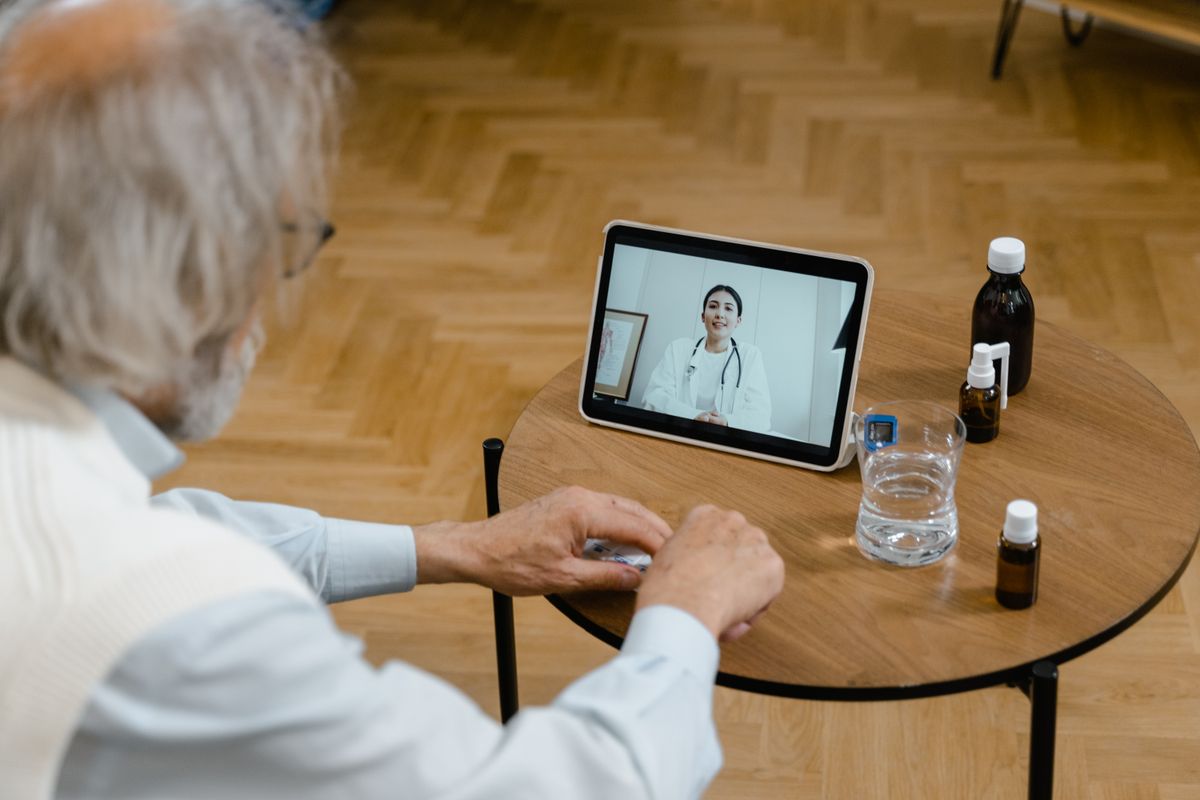
Being genuinely honest about what video consultation can and can't accomplish builds more real trust than overselling its capabilities, and understanding this boundary helps you use the service appropriately for what it's actually good at.
What video consultation handles well: triaging whether a symptom is urgent, guidance on managing minor issues at home, behavioral questions, medication and dosage questions, monitoring an already-diagnosed stable condition, and helping you understand what to communicate to an in-person vet if that's the next step.
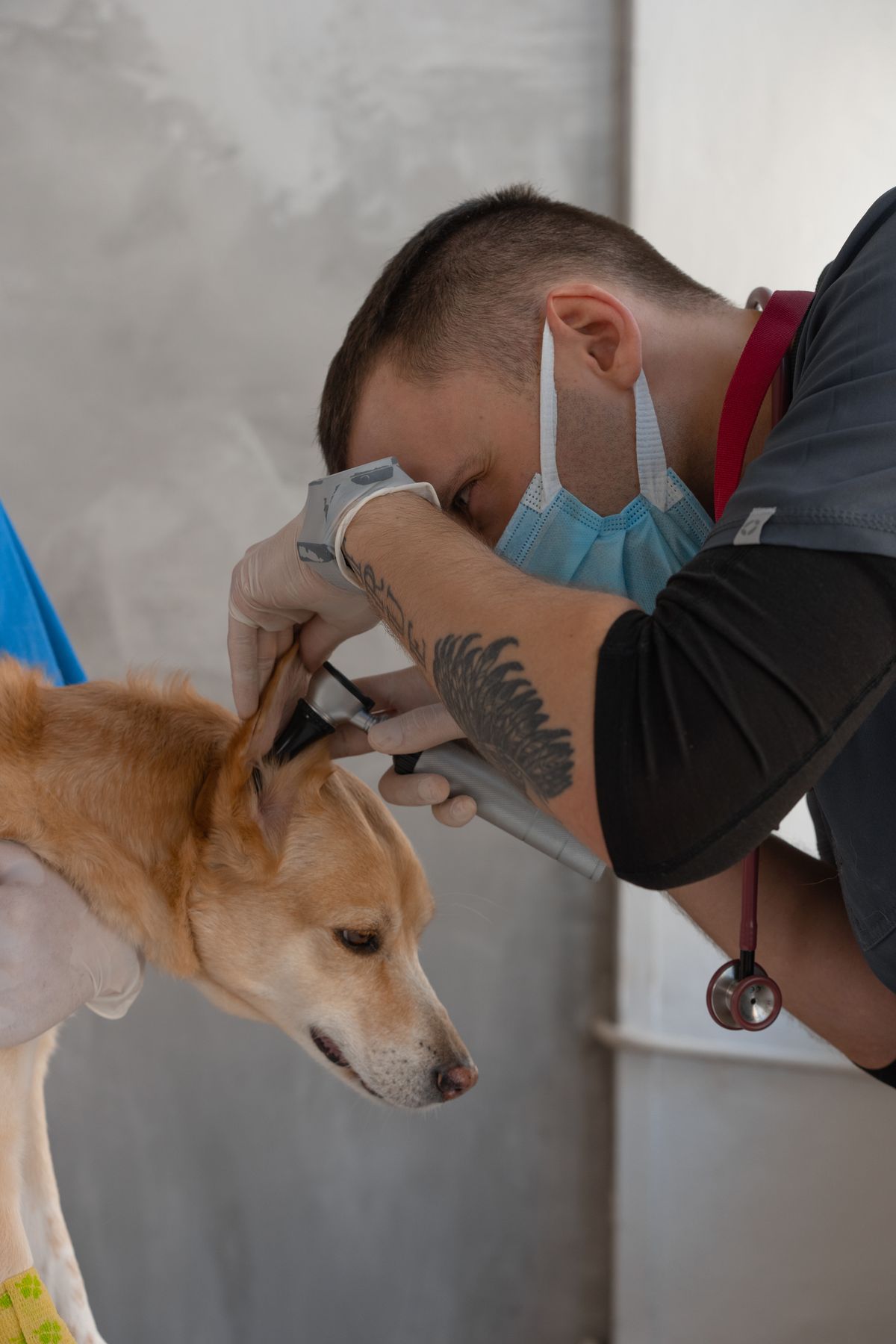
What genuinely requires physical examination: feeling for lumps, abnormal masses, or abdominal tenderness; assessing joint mobility and pain response to physical manipulation; listening to heart and lung sounds with a stethoscope; and any hands-on assessment where touch provides information a camera simply can't capture.
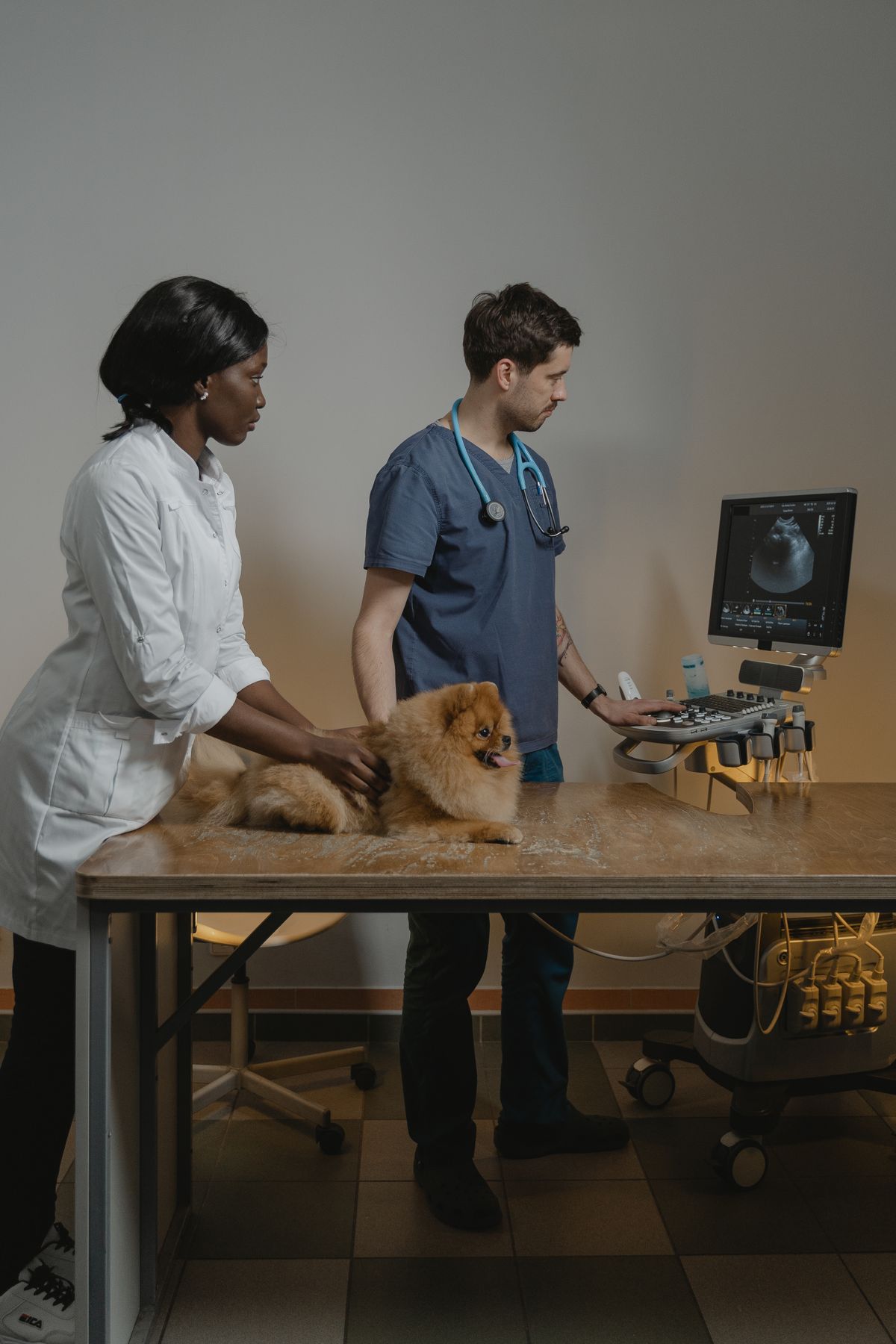
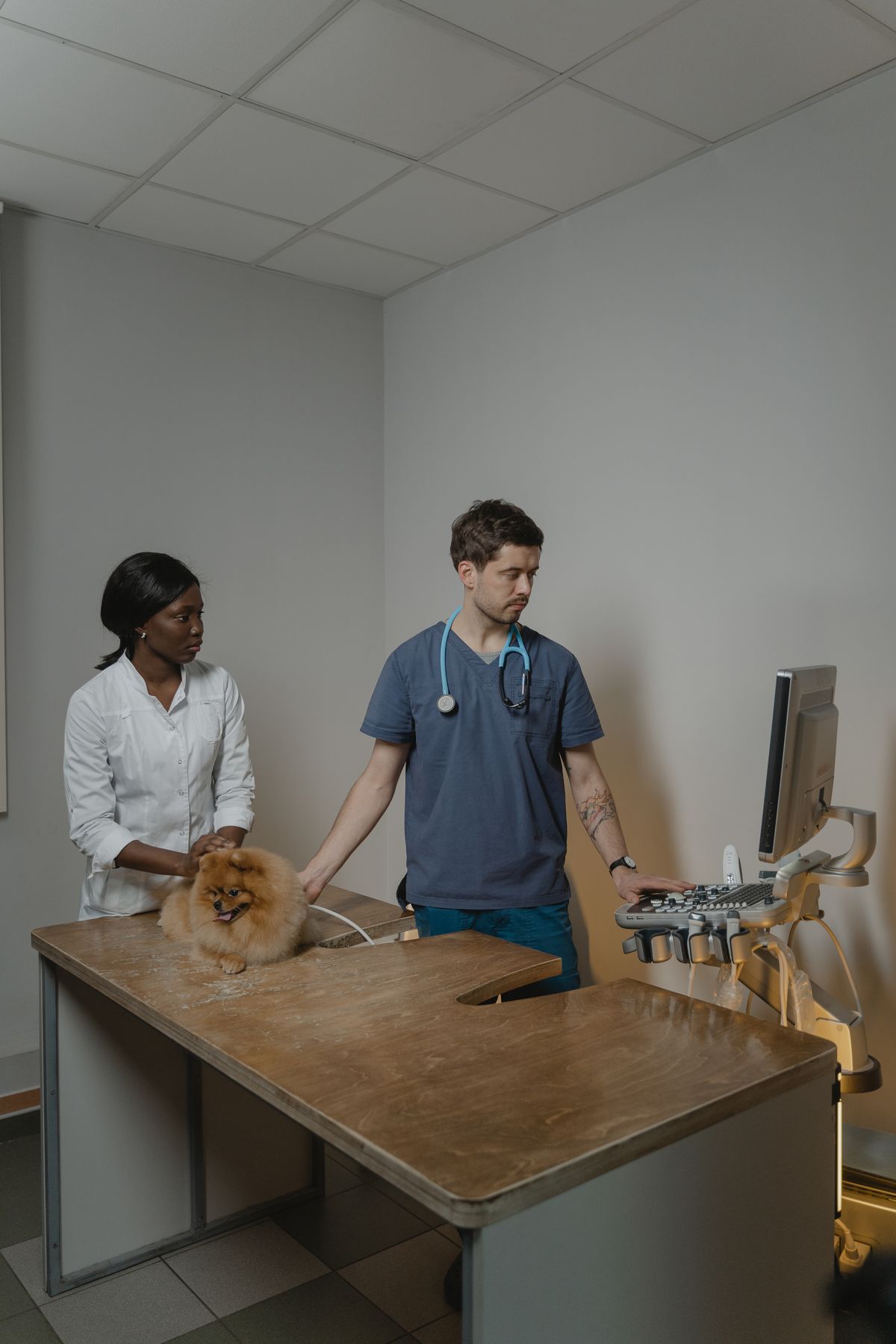
What requires diagnostic equipment: bloodwork, x-rays, ultrasound, urinalysis, and any lab-based testing — a vet can discuss when these are likely needed based on your description, but can't perform or substitute for the actual diagnostic information they provide.
What requires hands-on treatment: wound closure, splinting, surgery, injections, and any procedure requiring direct physical intervention.
The honest reality is that video consultation is a genuinely powerful triage and guidance tool, not a full diagnostic replacement — its value comes from helping you make faster, more confident decisions about next steps, not from replacing what an in-person exam and diagnostics can provide when those are truly needed.
A good video consultation should make this boundary clear to you, directing you toward in-person care when your situation genuinely requires it rather than attempting to manage something beyond what the format can responsibly handle.
What to do: Use video consultation with realistic expectations about what it can assess, and trust guidance that directs you to in-person care when appropriate as a sign of responsible practice, not a failure of the service.
For the fuller picture on how this complements rather than replaces your regular vet relationship, here's a closer look.
Still have questions?
Don't rely on Google if your pet is showing symptoms. Get a professional opinion in minutes.
Talk to a Vet Now