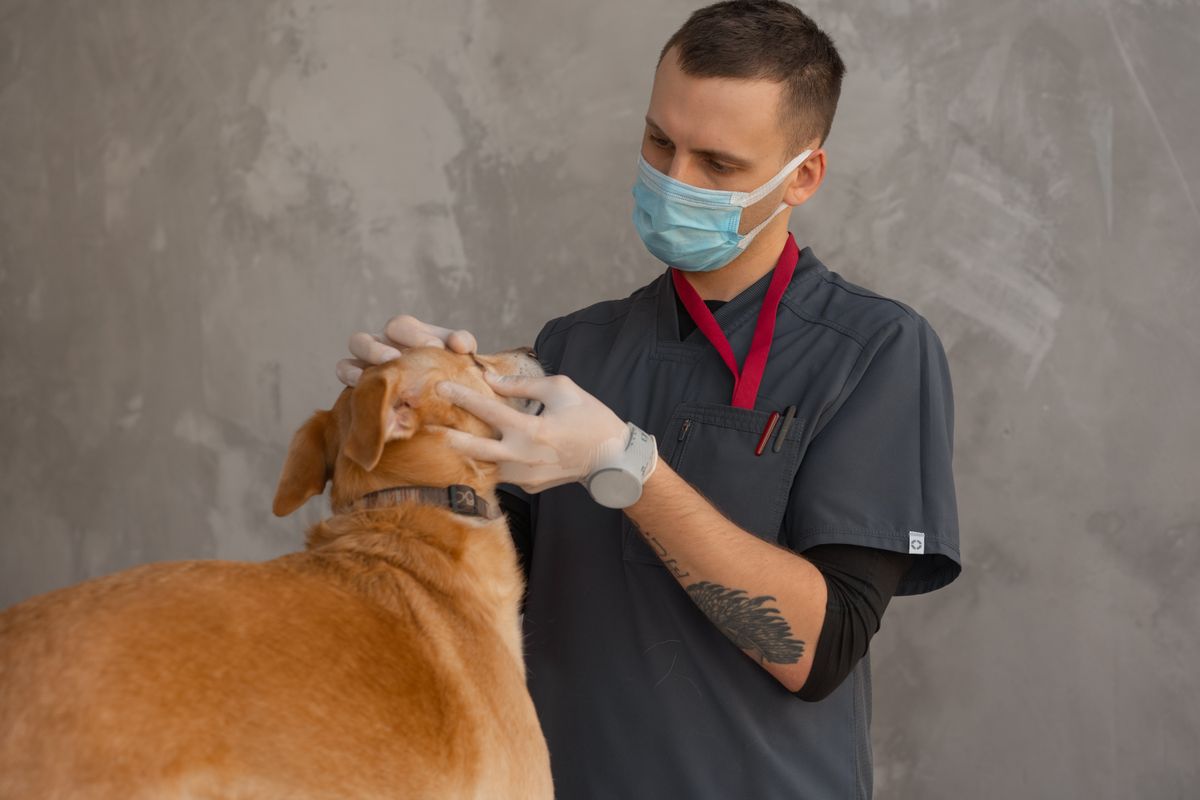
24 Hour Vet: When to Seek Round-the-Clock Pet Care

Knowing when to seek round-the-clock care for a pet in distress can save precious time and improve outcomes. A 24 hour vet provides rapid assessment, stabilization, and treatment when regular clinics are closed or the situation is too urgent to wait. This level of care is designed to bridge the gap between daytime veterinary visits and true emergencies, giving you clear guidance and peace of mind.
What a 24 hour vet Can Do for Your Pet
- Triage and stabilization to prioritize life-threatening issues
- On-site laboratory testing and imaging (blood work, X-ray, ultrasound) to quickly identify problems
- Access to essential medications, intravenous fluids, and antidotes as needed
- Monitoring and management of critical conditions until your pet is stable
- Guidance on next steps, home care, and discharge instructions
- Coordination with your regular vet for follow-up care and a smooth transition back to routine visits
A 24 hour vet is especially valuable when a pet’s symptoms escalate after hours or when you’re unsure how urgent the situation is. If you’re dealing with possible toxin exposure, heavy bleeding, or breathing trouble, these teams are equipped to act fast. For poisonings, see our guides on chocolate and xylitol to spot red flags early: dog-ate-chocolate and xylitol-dogs. If you’re navigating a skin or allergy flare, you can also check our dog-skin-allergies resource for context, though after-hours care remains essential for severe cases.
When to Seek Round-the-Clock Care
Emergency signs require immediate attention. Knowing the red flags helps you decide quickly whether you should head to a 24 hour vet or another urgent care option.
- Severe bleeding, heavy trauma, or a wound that won’t stop bleeding
- Trouble breathing, blue gums, rapid breathing, or collapse
- Sudden collapse, fainting, or unresponsiveness
- Seizures or persistent wobbliness and disorientation
- Suspected ingestion of toxins (chocolate, xylitol, grapes/raisins, lilies in cats)
- Prolonged vomiting or diarrhea with signs of dehydration or blood
- Severe pain, inability to stand, or obvious limb deformity
- Acute eye injuries, eye creams/chemicals exposure, or eye pain with squinting
If you’re unsure, err on the side of caution—contact a 24 hour vet or a local emergency clinic. For poisoning-related scenarios, quick action improves outcomes, so don’t wait to call even if you’re unsure of the amount ingested. For poisoning guidance, you can consult our toxin resources linked above.
Preparing for After-Hours Care
Getting ready for an after-hours visit can reduce stress for you and your pet. Here’s how to prepare and what to expect.
What to bring - Your pet’s identification, medical records, and any current medications - A list of recent symptoms, onset time, and any substances suspected of exposure - Sample of any vomitus or stool if you have it and it’s feasible to collect - Your contact information and a quiet, secure carrier or leash for transport
What to expect at the visit - Triage to determine urgency and appropriate treatment - Brief physical exam followed by targeted tests (pulse, temperature, blood work, imaging as needed) - Treatment plan with clear discharge instructions and follow-up care - Discussion of when to return or follow up with your regular veterinarian
Aftercare and home monitoring - Ongoing monitoring instructions, wound care, or medication administration tips - Signs that should prompt an immediate call or return visit - A plan for transitioning back to routine care when the crisis subsides
Preparing in advance and knowing the closest 24 hour vet in your area minimizes stress during a frightening moment. If you’re ever unsure about a toxin exposure or the severity of your pet’s symptoms, you can reach out for guidance before making a trip. For broader guidance on common emergencies, you can explore related topics like chocolate ingestion and toxin exposure, or behavior concerns such as separation anxiety in dogs, to better understand what your pet might be experiencing.
If you’d like to read more about poisoning and emergency planning, see our guides on chocolate and xylitol, and consider the dog-skin-allergies resource for context on skin-related emergencies.
Near the end of the article, if you need professional guidance right now, Waggle Vet offers convenient online vet consultations to help you triage and decide next steps. Our clinicians can help you determine whether an in-person, after-hours visit is warranted and provide actionable advice while you arrange care.
Before you go, a quick reminder: having a plan for after-hours care reduces stress and supports faster, safer decisions for your pet. Keep a list of emergency contact numbers, identify the closest 24 hour vet, and keep essential supplies on hand.
Frequently Asked Questions
How quickly should I act if my pet shows signs of distress? If your pet is showing life-threatening signs (blue gums, unresponsiveness, severe breathing difficulty, uncontrolled bleeding), seek immediate in-person care at a 24 hour vet or emergency clinic. For milder symptoms, call your regular veterinarian or an after-hours line to triage and decide whether to visit tonight or monitor at home.
When is it safe to monitor at home versus going to a 24 hour vet? Mild symptoms without dehydration or persistent vomiting may be monitored with guidance from your vet. Red flags include dehydration, persistent vomiting, diarrhea with blood, lethargy, refusal to drink, or any breathing difficulties. When in doubt, it’s safer to seek professional advice sooner rather than later.
What counts as a true emergency for a 24 hour vet? Sudden collapse, severe trauma, bleeding that won’t stop, seizures, difficulty breathing, unconsciousness, or suspected toxin ingestion are emergencies. If you’re unsure, contact a 24 hour vet for triage guidance.
What should I bring to an after-hours visit? Bring your pet’s ID, medical history, current medications, any suspected toxins or substances, and a list of symptoms with onset times. If possible, bring samples of vomit or stool and know your veterinarian’s contact info.
How can I prepare a plan for after-hours care? Keep a directory of emergency numbers, identify the nearest 24 hour vet, assemble a basic pet first-aid kit, and set up a simple home-management plan for common crises. Having these in place makes a tense moment much easier to manage. If you need immediate professional guidance, consider an online vet consultation with Waggle Vet to help you triage and decide on next steps.
Still have questions?
Don't rely on Google if your pet is showing symptoms. Get a professional opinion in minutes.
Talk to a Vet Now