Dog Skin Allergies: Causes, Symptoms, and Relief
Dog skin allergies are a common reason dogs itch, scratch, and chew at their fur. These reactions can flare in response to environmental factors, parasites, or certain foods, and they often signal underlying inflammation or a sensitive immune system. With steady observation and a solid care plan, most dogs can stay comfortable and prevent secondary skin infections.
Understanding dog skin allergies
Dog skin allergies arise when the immune system overreacts to something in the dog’s environment or diet. The three main categories veterinarians recognize are flea allergy dermatitis, atopy (environmental allergies such as pollen or mold), and food allergies. Each type can cause similar itching and skin changes, but the sources differ, which affects treatment choices. In addition to itching, dogs may develop red skin, flaky patches, or thickened skin over time if flare-ups persist.
Common triggers - Flea bites and flea allergy dermatitis - Environmental allergens like pollen, dust mites, or mold - Food ingredients such as certain proteins or additives - Contact irritants (certain grooming products or fabrics) - Infections that complicate allergies, including bacterial or yeast overgrowth
Symptoms and signs
Recognizing symptoms early helps prevent itch-scratch cycles and skin infections. Not all dogs show the same signs, but common indicators include:
- Persistent itching, biting, or chewing
- Red or inflamed skin, especially around paws, ears, and elbows
- Hair loss or thinning coat in patches
- Hot spots (moist, irritated skin lesions) that may ooze or crust
- Ear redness or discharge, sometimes with a strong odor
- Behavioral changes such as irritability or restlessness
If your dog develops secondary infections, you may see talking signs like fever, reluctance to be touched, or a foul skin odor. A veterinary exam can distinguish allergies from other causes of itching, like parasites or dermatitis.
Diagnosis and treatment options
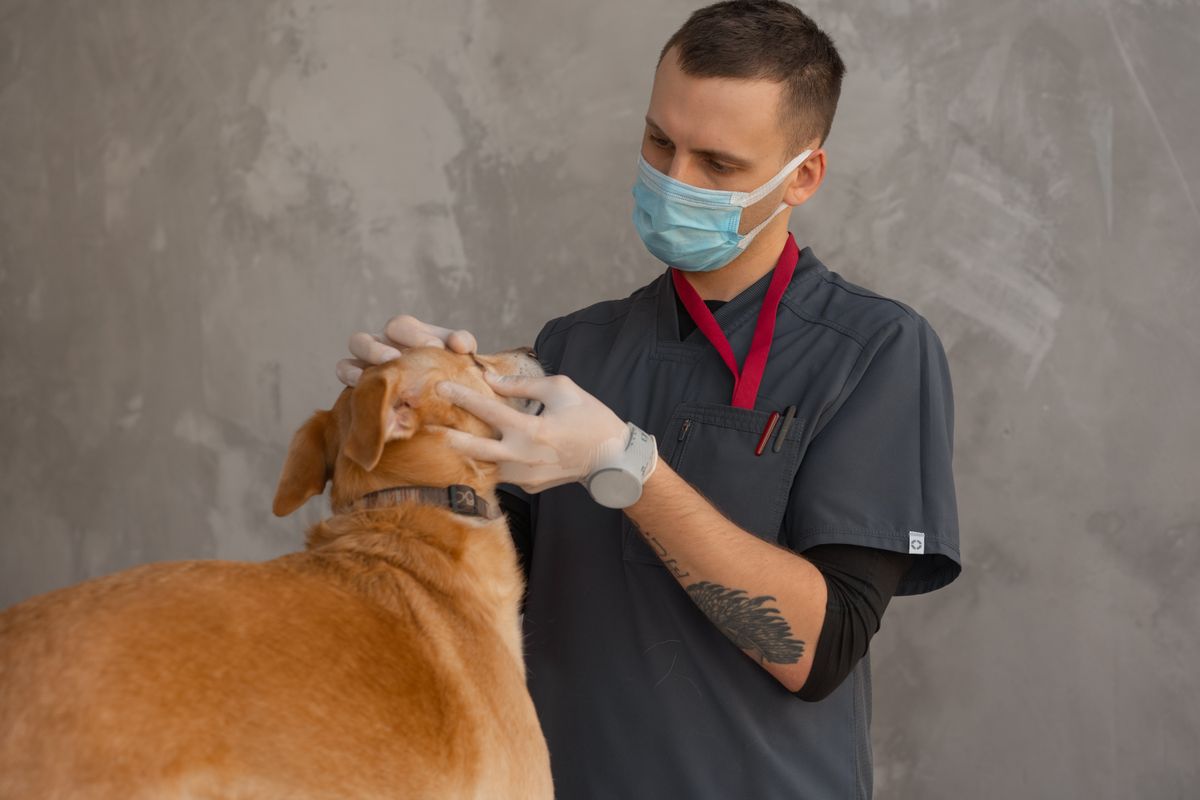
A thoughtful workup helps identify the specific trigger and the best management plan. Expectations in many cases include ruling out parasites (fleas, mites), skin infections, and systemic diseases.
- Veterinary exam: A thorough skin and coat assessment, including a discussion of your dog’s environment and diet.
- Diagnostic tests: Skin cytology to check for bacteria or yeast, skin scrapings for parasites, and possibly blood tests or intradermal skin testing to identify environmental triggers.
- Elimination and food trials: When a food allergy is suspected, a veterinarian may recommend a strict diet trial for 8–12 weeks to see if symptoms improve.
- Treatment options:
- - Anti-itch therapies such as medicated shampoos, topical steroids, or oral antihistamines (under vet guidance)
- - Antibiotics or antifungals if secondary infections develop
- - Fatty acid supplements (omega-3 and omega-6) to support skin barrier function
- - Immunotherapy or allergy shots for long-term relief in some cases
- - Avoidance strategies for identified triggers and environmental management
- Long-term plan: Most dogs benefit from a combination of regular grooming, targeted parasite control, and a tailored diet or allergen avoidance strategy. Some dogs may require prescription medications during flare-ups or ongoing preventive therapy.
Home relief and management
Effective at-home care reduces itchiness and supports skin healing, complementing veterinary treatment.
- Parasite control: Maintain year-round flea prevention and quarterly parasite checks.
- Gentle bathing routine: Use hypoallergenic or medicated shampoos as directed by your vet; avoid over-bathing, which can dry the skin.
- Skin moisturizers and barrier support: Apply veterinary-approved moisturizers or emollients to help restore the skin barrier after baths or exposure to irritants.
- Environment management: Wash beds and blankets, vacuum frequently, and minimize exposure to known outdoor triggers during peak allergy seasons.
- Diet and supplements: If a dietary trigger is suspected, work with your vet on an elimination diet. Consider omega-3 fatty acids and other skin-supporting supplements as recommended by your veterinarian.
- Monitoring and prompt action: Keep a log of itching patterns, new products, or changes in environment. Early adjustments can prevent flare-ups from escalating.
CTA: If you need professional guidance right now, Waggle Vet’s online vet consultations provide quick access to board-certified veterinarians who can review your dog’s symptoms, interpret test results, and help you determine whether an in-person visit is needed.
Conclusion
Managing dog skin allergies is a collaborative process between you and your veterinary team. With a clear plan that targets the underlying trigger, reinforced by consistent grooming, parasite control, and appropriate medications, most dogs regain comfort and return to their happy, active selves. Regular monitoring and timely adjustments keep dog skin allergies from limiting daily life, helping your dog stay playful and well-loved.
Frequently Asked Questions
How do I know which type of allergy my dog has? A veterinarian will review symptoms, behavior, and exposure history, and may perform tests such as skin cytology, parasite checks, and possibly dietary trials or allergen testing. The exact type—flea, environmental, or food—will guide treatment.
Are dog skin allergies curable? Many dogs live symptom-free with a well-managed plan, but allergies are often chronic conditions that require ongoing maintenance. The goal is to minimize itch, prevent infections, and keep skin healthy.
Can I use human medications for my dog’s itching? Human medications can be unsafe or ineffective for dogs. Always consult a veterinarian before giving any medicine to ensure it’s appropriate, safe, and correctly dosed for your dog.
What’s the best way to prevent flare-ups at home? Consistent parasite control, gentle grooming, timely bathing with the right products, and avoiding known triggers are key. If a new symptom appears or itching worsens, schedule a vet visit promptly.
When should I seek veterinary care immediately? If your dog experiences severe itching with hot spots, signs of pain, fever, swelling, nasal or ocular discharge, or if there is no improvement after a few days of at-home care, contact your veterinarian or an online vet service for guidance and possible in-person evaluation.
Still have questions?
Don't rely on Google if your pet is showing symptoms. Get a professional opinion in minutes.
Talk to a Vet Now