Symptom & Panic Guides
Step-by-step instructions on what to do when your pet is showing worrying signs.
What we cover
- ✓Vomiting: how urgent is it?
- ✓Sudden limping
- ✓Not eating / loss of appetite
- ✓Lethargy
- ✓Breathing issues
- ✓Each split by dog vs cat

Signs of Abdominal Pain in Dogs
Dogs can't tell you where it hurts, but body language and posture offer real clues that your dog is experiencing abdominal discomfort.

Allergies and Respiratory Symptoms in Dogs
Environmental allergies in dogs more often show up as skin symptoms than respiratory ones, but sneezing, coughing, and congestion do happen, especially seasonally.
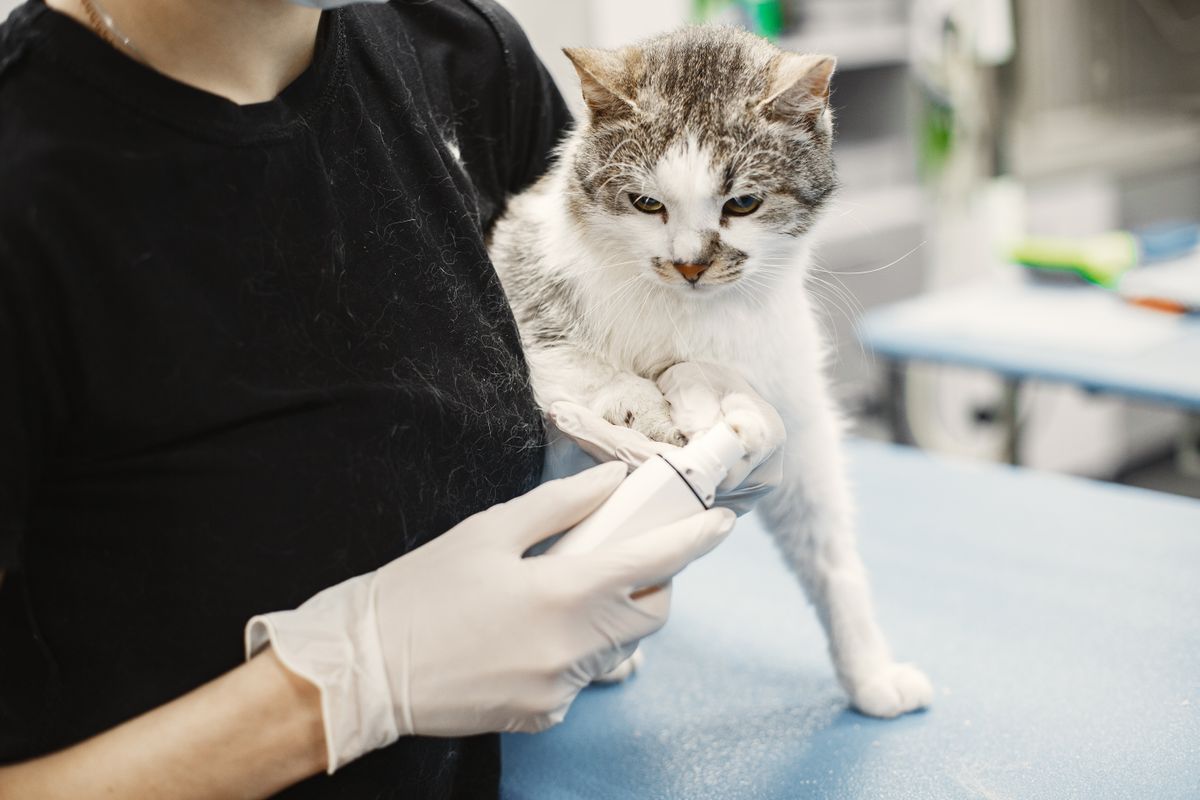
Arthritis in Dogs: Signs, Management, and Comfort Tips
Learn about arthritis in dogs: causes, symptoms, treatment, and when to call a vet. Vet-backed advice from Waggle Vet.
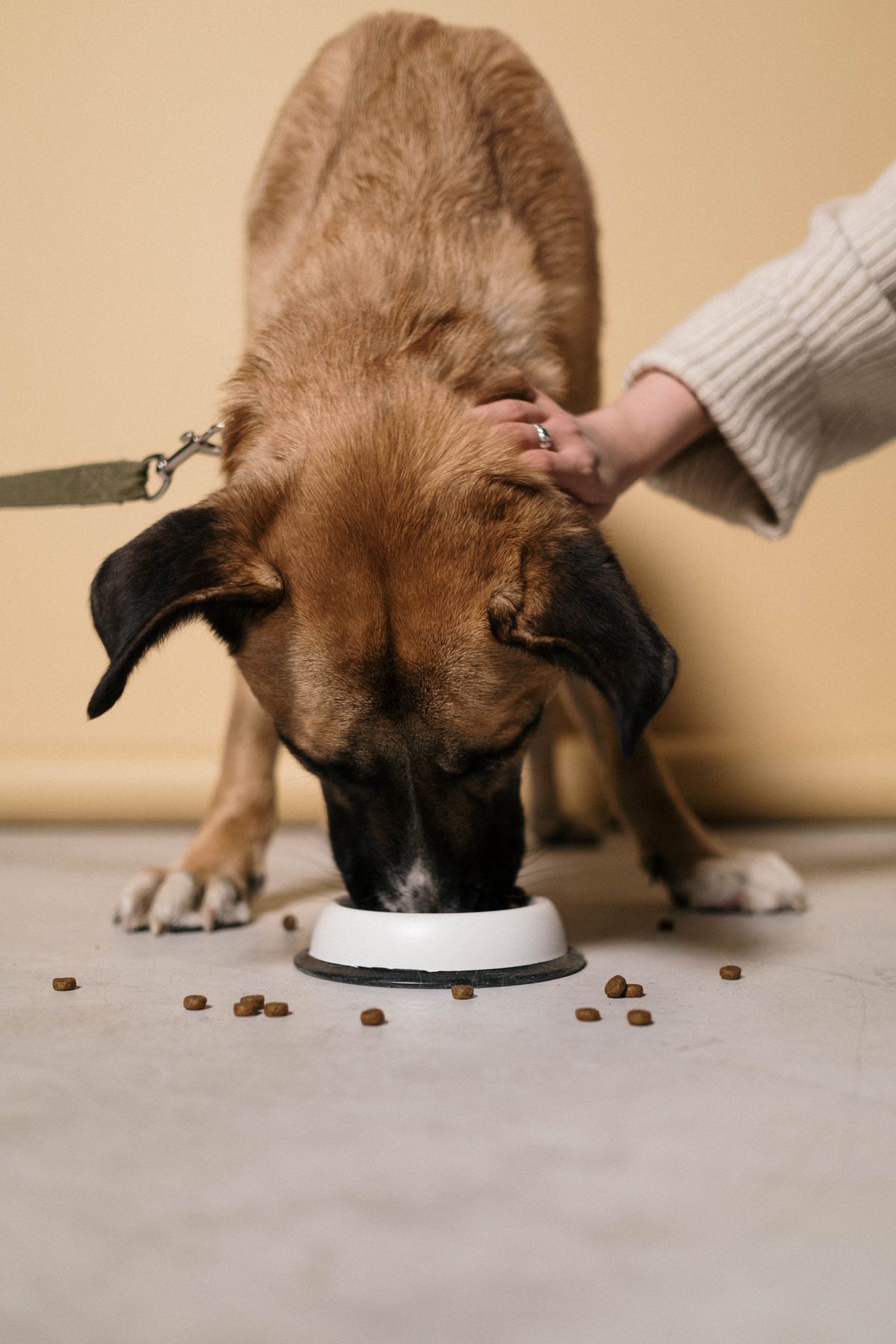
The Bland Diet: How to Feed a Dog With an Upset Stomach
A properly done bland diet gives a dog's digestive system a break while still providing nutrition — here's how to do it correctly and when to transition back.

Bloat in Dogs: Signs of a True Emergency
Bloat, or gastric dilatation-volvulus, can kill a dog within hours if untreated. Here are the specific signs that separate it from ordinary stomach upset.

Blood in Your Dog's Stool: What It Means and When to Act
Learn about blood in dog stool: causes, symptoms, treatment, and when to call a vet. Vet-backed advice from Waggle Vet.

Blue or Pale Gums in Dogs and Cats: A Breathing Emergency Sign
Gum color is one of the fastest ways to assess how well oxygen is being delivered through the body, and blue or very pale gums always mean act now.

Brachycephalic Breathing Problems: Why Flat-Faced Breeds Struggle
Bulldogs, Pugs, and other flat-faced breeds have anatomically narrowed airways from birth, which means their baseline breathing sounds are different from other dogs.

Breathing Changes During Heatstroke: A Critical Sign
As heatstroke progresses, breathing changes from heavy panting to something more labored and distressed — recognizing that shift matters for knowing how urgent it is.

Cat Allergies: Symptoms, Triggers, and Treatment
Learn about cat allergies: causes, symptoms, treatment, and when to call a vet. Vet-backed advice from Waggle Vet.

Cat Anxiety: Signs, Triggers, and How to Help
Learn about cat anxiety: causes, symptoms, treatment, and when to call a vet. Vet-backed advice from Waggle Vet.
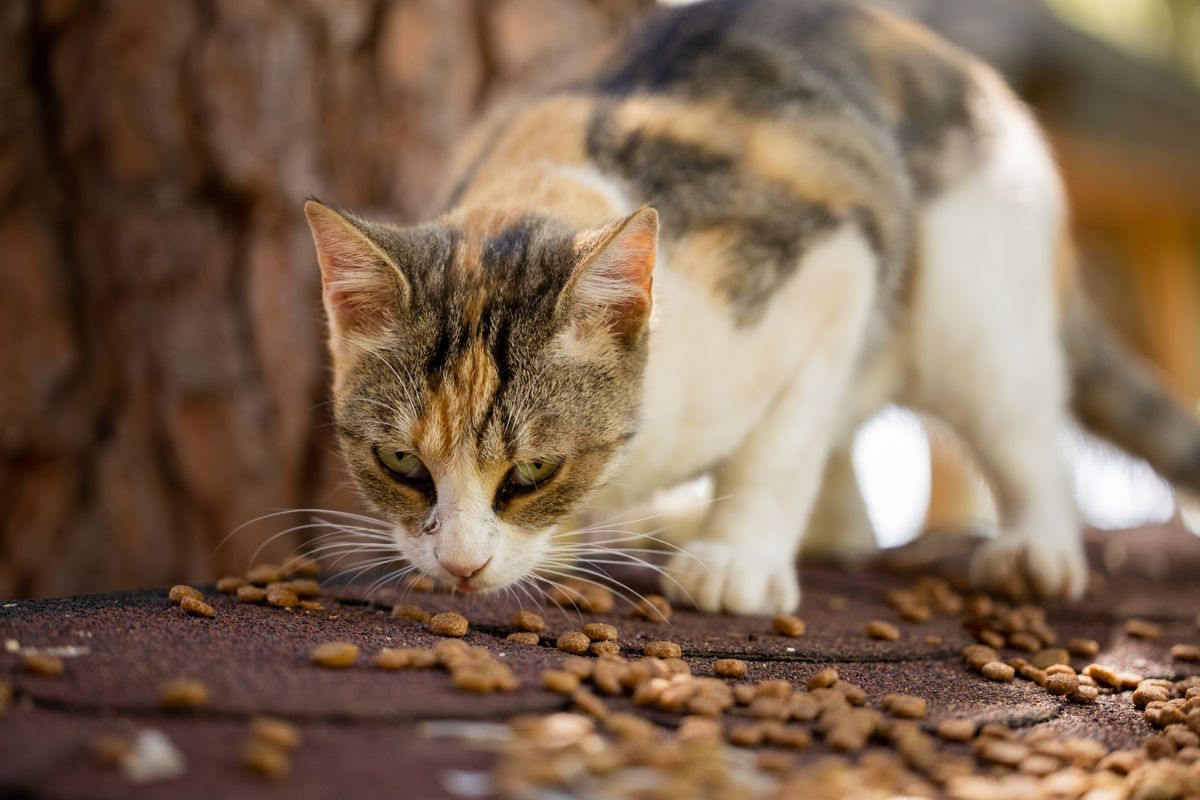
Cat Congested and Not Eating: Why Smell Matters So Much
A cat's interest in food depends heavily on smell, which means nasal congestion can trigger a dangerous cycle of appetite loss if not addressed.
Cat Constipation: Signs, Causes, and How to Help
Learn about cat constipation: causes, symptoms, treatment, and when to call a vet. Vet-backed advice from Waggle Vet.
Why Is My Cat Coughing? Common Causes and When to Worry
Learn about cat coughing: causes, symptoms, treatment, and when to call a vet. Vet-backed advice from Waggle Vet.

Cat Coughing vs. Hairball Gagging: How to Tell the Difference
The two look similar from across the room, but body posture and what (if anything) comes up afterward can help you tell them apart.
Cat Diabetes: Signs, Treatment, and Managing Your Cat's Health
Learn about cat diabetes: causes, symptoms, treatment, and when to call a vet. Vet-backed advice from Waggle Vet.
Cat Diarrhea: Causes, Treatment, and When to Call the Vet
Learn about cat diarrhea: causes, symptoms, treatment, and when to call a vet. Vet-backed advice from Waggle Vet.

Cat Diarrhea: Causes and When It's Serious
Diarrhea in cats is often diet-related but can also point to parasites, inflammatory conditions, or hyperthyroidism, especially if it becomes chronic.
Cat Ear Infections: Signs, Causes, and Treatment
Learn about cat ear infection: causes, symptoms, treatment, and when to call a vet. Vet-backed advice from Waggle Vet.
Cat Eye Discharge: What's Normal and What's Not
Learn about cat eye discharge: causes, symptoms, treatment, and when to call a vet. Vet-backed advice from Waggle Vet.
Cat Fleas: How to Get Rid of Them and Keep Them Away
Learn about cat fleas: causes, symptoms, treatment, and when to call a vet. Vet-backed advice from Waggle Vet.
Cat Kidney Disease: Early Signs and Treatment Options
Learn about cat kidney disease: causes, symptoms, treatment, and when to call a vet. Vet-backed advice from Waggle Vet.
Cat Not Eating? Causes and When It Becomes an Emergency
Learn about cat not eating: causes, symptoms, treatment, and when to call a vet. Vet-backed advice from Waggle Vet.

Cat Not Eating and Hiding: What It Usually Means
Hiding combined with appetite loss is one of the clearer signals a cat is genuinely unwell, since cats instinctively conceal illness until it's harder to hide.

Cat Open-Mouth Breathing: Always an Emergency
Unlike dogs, cats almost never breathe through an open mouth normally, which makes this specific sign one of the most reliable indicators of a true emergency.
Cat Peeing Outside the Litter Box: Causes and Solutions
Learn about cat peeing outside litter box: causes, symptoms, treatment, and when to call a vet. Vet-backed advice from Waggle Vet.

Cat Purring vs. Labored Breathing: How to Tell Them Apart
Both involve a rhythmic vibrating sound from the chest, but body posture and context make the difference between contentment and distress fairly clear.

Cat Respiratory Infection vs. Allergies: Key Differences
Both cause sneezing and discharge, but timing, duration, and a few other clues help distinguish a passing infection from an ongoing allergic response.
Cat Seizures: Causes, Symptoms, and What to Do
Learn about cat seizure: causes, symptoms, treatment, and when to call a vet. Vet-backed advice from Waggle Vet.
Cat Throwing Up Food? Here's Why and How to Help
Learn about cat throwing up food: causes, symptoms, treatment, and when to call a vet. Vet-backed advice from Waggle Vet.
Cat Urinary Blockage: The Emergency Signs You Can't Ignore
Learn about cat urinary blockage: causes, symptoms, treatment, and when to call a vet. Vet-backed advice from Waggle Vet.
Cat Vomiting: Common Causes and When to See a Vet
Learn about cat vomiting: causes, symptoms, treatment, and when to call a vet. Vet-backed advice from Waggle Vet.
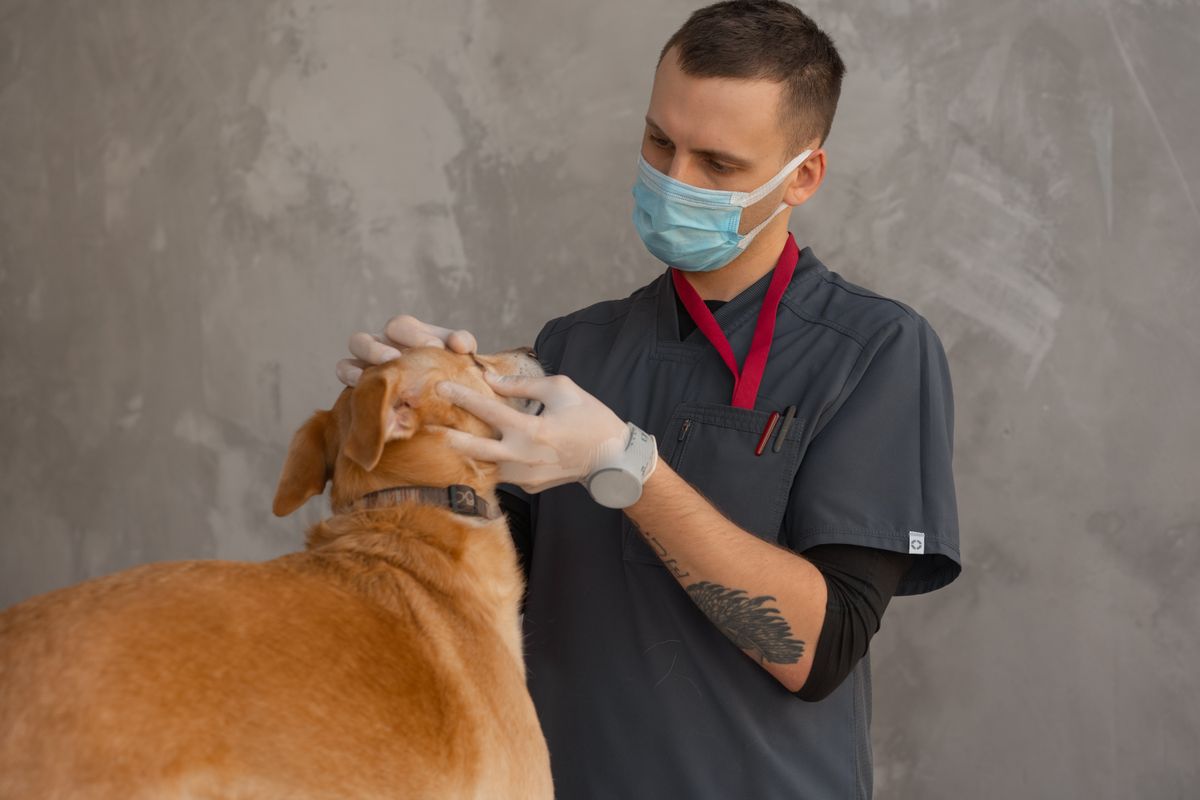
Cat Vomiting White Foam: Causes and When to See a Vet
Learn about cat vomiting white foam: causes, symptoms, treatment, and when to call a vet. Vet-backed advice from Waggle Vet.
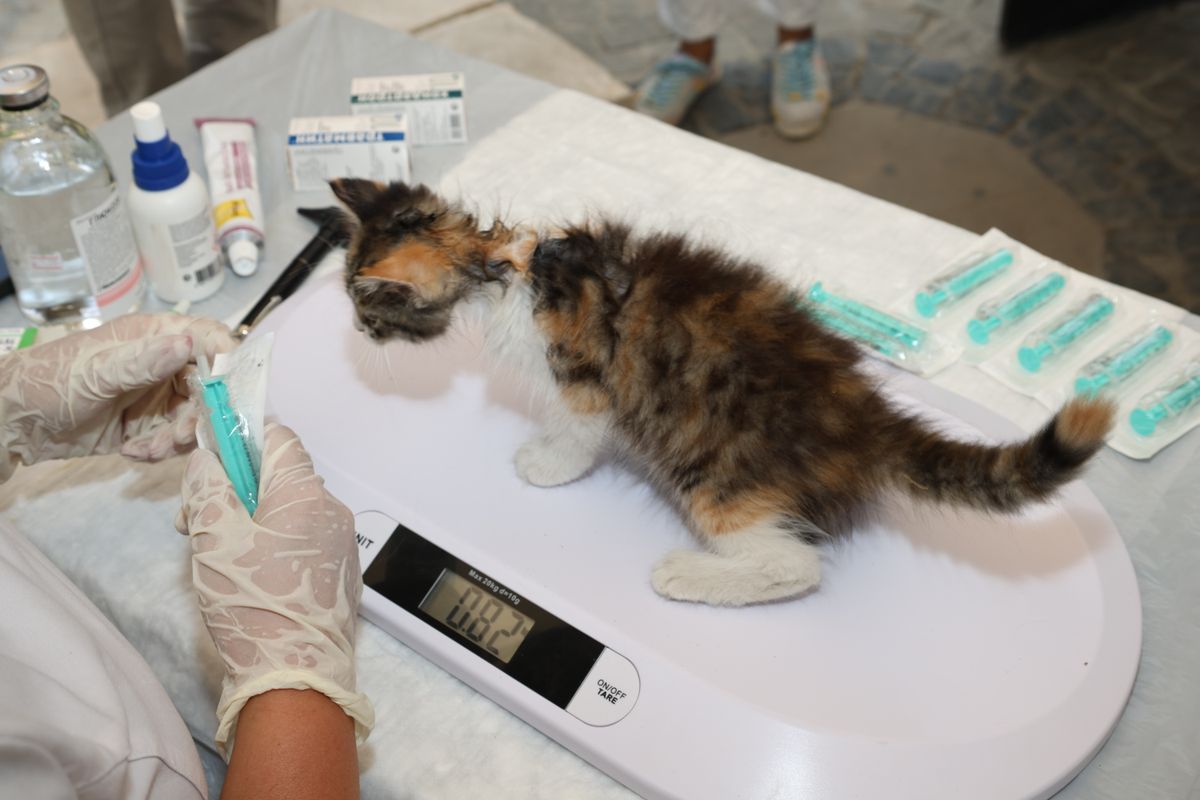
Cat Wheezing and Asthma: What Owners Should Know
Feline asthma is a real, fairly common, and very manageable condition once diagnosed — here's how it typically presents and what treatment looks like.

Choking vs. Gagging vs. Coughing: How to Tell the Difference
These three look similar in a panicked moment, but they call for very different responses — one is a true emergency and the other two usually aren't.
Chronic or Recurring Diarrhea in Dogs: Why It's Worth Investigating
A dog with diarrhea that keeps returning over weeks or months deserves real diagnostic attention rather than repeated rounds of the same at-home fix.

Collapsing Trachea in Small Dogs: Signs to Know
A weakening of the tracheal cartilage rings produces a distinctive honking cough in small breeds, and management makes a real difference in quality of life.

Constipation in Cats: When to Worry
Cats are more prone to constipation than dogs, and severe or chronic cases can develop into a condition that requires real medical management.

Constipation in Dogs: Causes and Home Care
Occasional constipation in dogs is often manageable with simple adjustments, but recurring or severe cases point toward something worth investigating further.
Signs of Dehydration in Dogs and Cats
A simple skin-pinch test and a few other checks can help you assess dehydration at home, and knowing the signs matters most when GI symptoms are involved.

Diarrhea After a Food Change in Dogs and Cats: How to Transition Safely
Switching pet food too quickly is one of the most common and most preventable causes of diarrhea — here's how to transition without the digestive fallout.
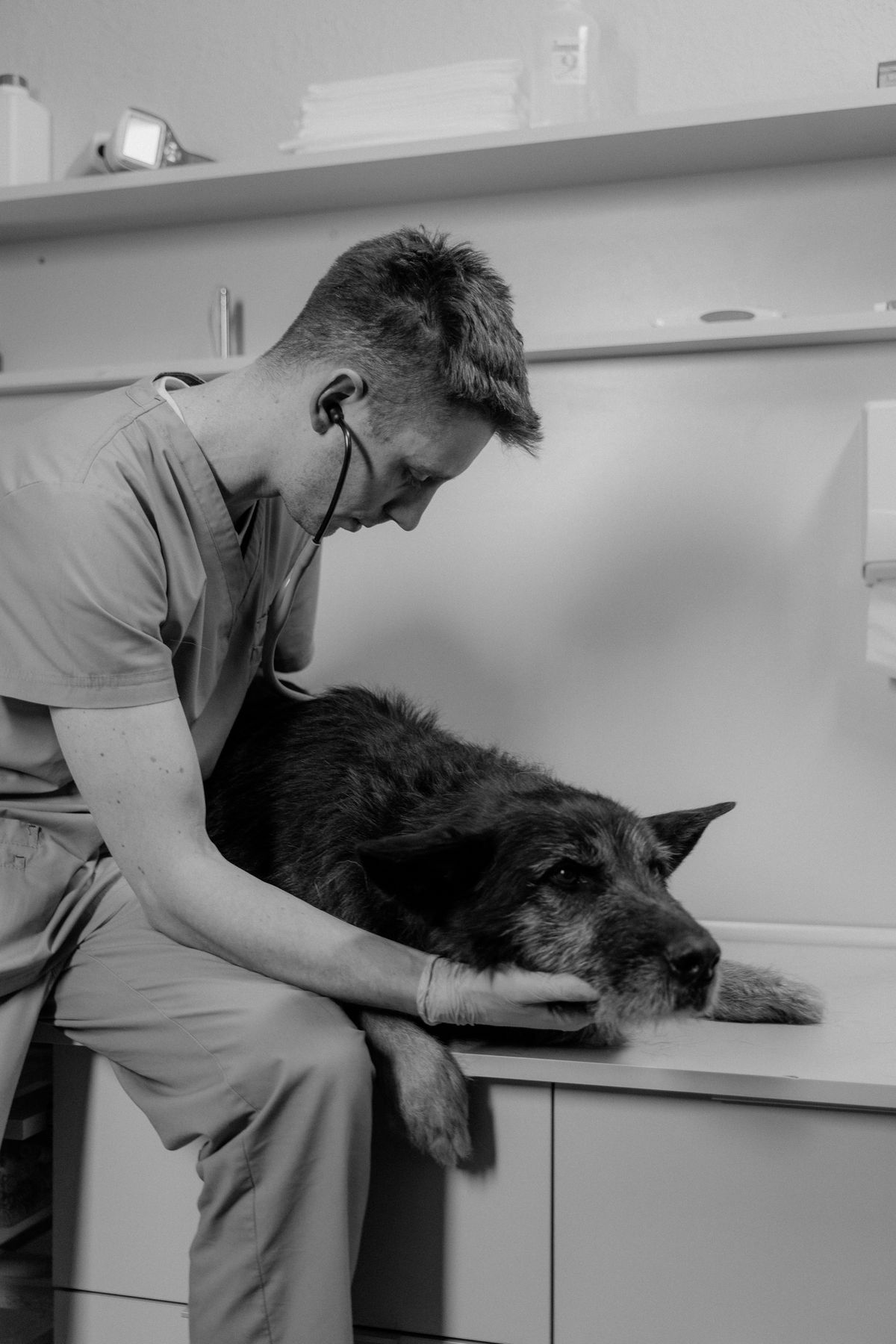
Diarrhea and Lethargy Together in Dogs: A Combination Worth Watching
Diarrhea alone is often manageable at home, but pairing it with lethargy changes the picture significantly and usually means it's time to check in with a vet.

Distended or Swollen Abdomen in Dogs: What It Means
A swollen dog belly can mean anything from weight gain to fluid buildup to bloat — here's how to think through the possibilities and when to act fast.
Dog Allergy Symptoms: How to Tell What's Bothering Your Pet
Learn about dog allergies symptoms: causes, symptoms, treatment, and when to call a vet. Vet-backed advice from Waggle Vet.
Dog Allergy Medicine: Safe Options and What a Vet Recommends
Learn about dog allergy medicine: causes, symptoms, treatment, and when to call a vet. Vet-backed advice from Waggle Vet.
Dog Anxiety: Signs, Causes, and Calming Solutions
Learn about dog anxiety: causes, symptoms, treatment, and when to call a vet. Vet-backed advice from Waggle Vet.
Dog Anxiety Symptoms: How to Recognize the Signs
Learn about dog anxiety symptoms: causes, symptoms, treatment, and when to call a vet. Vet-backed advice from Waggle Vet.
Dog Bad Breath: What It Means and How to Fix It
Learn about dog bad breath: causes, symptoms, treatment, and when to call a vet. Vet-backed advice from Waggle Vet.
Dog Bloat Symptoms: The Emergency Signs You Must Know
Learn about dog bloat symptoms: causes, symptoms, treatment, and when to call a vet. Vet-backed advice from Waggle Vet.

Dog Breathing Fast While Sleeping: Normal or Not?
Dreaming can cause brief breathing changes during sleep, but a consistently elevated sleeping respiratory rate is actually one of the best early heart disease indicators.

Dog Breathing Through Mouth Instead of Nose: What This Means
Unlike cats, dogs breathe through their mouths for plenty of normal reasons, but a sudden new preference for mouth breathing at rest is still worth a look.

Dog Choking on a Toy or Object: Immediate Steps
Recognizing true choking fast and knowing the immediate steps can make the difference in those first critical minutes before you can get to a vet.
Dog Constipation: Causes, Home Remedies, and Vet Solutions
Learn about dog constipation: causes, symptoms, treatment, and when to call a vet. Vet-backed advice from Waggle Vet.

Dog Cough That Won't Go Away: When to Get It Checked
A cough lasting more than two or three weeks has moved past the timeframe most self-limiting causes would take to resolve, and deserves a real diagnosis.
Why Is My Dog Coughing? 8 Causes and When to See a Vet
Learn about dog coughing: causes, symptoms, treatment, and when to call a vet. Vet-backed advice from Waggle Vet.

Dog Coughing After Drinking Water: What This Usually Means
Coughing right after drinking often points toward a specific set of throat or trachea-related causes, most of which are manageable rather than alarming.

Dog Coughing at Night: Common Causes
A cough that shows up specifically at night or after lying down has a fairly short list of likely explanations, and heart disease is one worth ruling out.

Dog Coughing Up Foam or Liquid: What This Could Mean
Coughing up foam or liquid is a step beyond a dry cough and can indicate fluid accumulation related to heart failure or a significant lung condition.
Dog Dental Care: How to Keep Your Dog's Teeth Healthy
Learn about dog dental care: causes, symptoms, treatment, and when to call a vet. Vet-backed advice from Waggle Vet.
Dog Dewormer Guide: Types, Dosing, and How Often to Deworm
Learn about dog dewormer: causes, symptoms, treatment, and when to call a vet. Vet-backed advice from Waggle Vet.
Dog Diabetes: Symptoms, Treatment, and Daily Management
Learn about dog diabetes: causes, symptoms, treatment, and when to call a vet. Vet-backed advice from Waggle Vet.
Dog Diarrhea: Causes, Home Remedies, and When It's an Emergency
Learn about dog diarrhea: causes, symptoms, treatment, and when to call a vet. Vet-backed advice from Waggle Vet.

Dog Diarrhea With Blood: What It Could Mean
Blood in a dog's stool can appear bright red or dark and tarry, and the difference points toward very different parts of the digestive tract being affected.

Dog Diarrhea: Causes, When to Worry, What to Do
Diarrhea in dogs is common and often resolves on its own, but certain patterns and accompanying symptoms change it from a nuisance to a real concern.

Dog Diarrhea While Traveling or Boarding: Why It Happens So Often
Stress colitis is one of the most common reasons dogs develop diarrhea during travel, boarding, or any major routine disruption — here's why and what helps.
Dog Dry Skin: Causes and How to Soothe It
Learn about dog dry skin: causes, symptoms, treatment, and when to call a vet. Vet-backed advice from Waggle Vet.
Dog Ear Infections: Signs, Causes, and When to See a Vet
Learn about dog ear infection: causes, symptoms, treatment, and when to call a vet. Vet-backed advice from Waggle Vet.
Dog Ear Infection Treatment: What Works and What to Avoid
Learn about dog ear infection treatment: causes, symptoms, treatment, and when to call a vet. Vet-backed advice from Waggle Vet.
Dog Ear Mites: How to Identify and Treat Them Fast
Learn about dog ear mites: causes, symptoms, treatment, and when to call a vet. Vet-backed advice from Waggle Vet.
Dog Eye Infections: Signs, Causes, and Treatment
Learn about dog eye infection: causes, symptoms, treatment, and when to call a vet. Vet-backed advice from Waggle Vet.
Dog Fever: Signs, Causes, and When to See a Vet
Learn about dog fever: causes, symptoms, treatment, and when to call a vet. Vet-backed advice from Waggle Vet.
Dog Fleas: How to Spot, Treat, and Prevent an Infestation
Learn about dog fleas: causes, symptoms, treatment, and when to call a vet. Vet-backed advice from Waggle Vet.
Dog Food Allergies: Symptoms, Triggers, and Diet Changes
Learn about dog food allergies: causes, symptoms, treatment, and when to call a vet. Vet-backed advice from Waggle Vet.

Dog Gagging After Coughing: What This Combination Means
A cough followed by gagging or retching is a common pattern, often just the tail end of an irritated throat rather than two separate problems.
Dog Grooming Tips: A Vet's Guide to At-Home Care
Learn about dog grooming tips: causes, symptoms, treatment, and when to call a vet. Vet-backed advice from Waggle Vet.
Dog Hot Spots: Causes, Treatment, and Prevention
Learn about dog hot spots: causes, symptoms, treatment, and when to call a vet. Vet-backed advice from Waggle Vet.
Dog Itchy Skin: Causes and How to Bring Relief
Learn about dog itchy skin: causes, symptoms, treatment, and when to call a vet. Vet-backed advice from Waggle Vet.
Kennel Cough in Dogs: Symptoms, Treatment, and Prevention
Learn about dog kennel cough: causes, symptoms, treatment, and when to call a vet. Vet-backed advice from Waggle Vet.
Why Is My Dog Lethargic? Causes and When to Worry
Learn about dog lethargic: causes, symptoms, treatment, and when to call a vet. Vet-backed advice from Waggle Vet.
Dog Limping: Common Causes and When to See a Vet
Learn about dog limping: causes, symptoms, treatment, and when to call a vet. Vet-backed advice from Waggle Vet.
Dog Not Eating? Reasons Your Dog Won't Eat and What to Do
Learn about dog not eating: causes, symptoms, treatment, and when to call a vet. Vet-backed advice from Waggle Vet.
Dog Not Eating After Vaccination: Is This Normal?
Mild appetite reduction for a day after vaccination is common and expected, but certain symptoms cross the line into a reaction that needs attention.

Dog Not Eating But Drinking Water Normally: What This Means
A dog still drinking normally while refusing food is generally a lower-urgency pattern than refusing both, but it still deserves attention if it continues.
Dog Pancreatitis: Symptoms, Causes, and Treatment
Learn about dog pancreatitis: causes, symptoms, treatment, and when to call a vet. Vet-backed advice from Waggle Vet.

Dog Panting Excessively Without Exercise or Heat: What It Means
Panting without an obvious trigger like heat or exercise can signal pain, anxiety, or a medical condition rather than the normal cooling mechanism it usually is.
Why Is My Dog Scooting? Causes and How to Stop It
Learn about dog scooting: causes, symptoms, treatment, and when to call a vet. Vet-backed advice from Waggle Vet.
Dog Seizures: Causes, What to Do, and When to Call a Vet
Learn about dog seizure: causes, symptoms, treatment, and when to call a vet. Vet-backed advice from Waggle Vet.
Why Is My Dog Shaking? 7 Reasons and When It's an Emergency
Learn about dog shaking: causes, symptoms, treatment, and when to call a vet. Vet-backed advice from Waggle Vet.
Why Is My Dog Shaking Its Head? Causes and Treatment
Learn about dog shaking head: causes, symptoms, treatment, and when to call a vet. Vet-backed advice from Waggle Vet.
Dog Skin Allergies: Causes, Symptoms, and Relief
Learn about dog skin allergies: causes, symptoms, treatment, and when to call a vet. Vet-backed advice from Waggle Vet.

Dog Snoring More Than Usual: When to Pay Attention
Occasional snoring is normal in many dogs, but a sudden change in volume or pattern can point toward weight gain, allergies, or a developing obstruction.

Dog Straining to Poop But Nothing Comes Out: What's Going On
Straining without producing stool can mean simple constipation, but it can also signal a blockage, urinary issue, or something requiring prompt attention.
Dog Throwing Up White Foam: Causes and When to Worry
Learn about dog throwing up white foam: causes, symptoms, treatment, and when to call a vet. Vet-backed advice from Waggle Vet.
Dog Vaccinations: The Complete Schedule and Why They Matter
Learn about dog vaccinations: causes, symptoms, treatment, and when to call a vet. Vet-backed advice from Waggle Vet.
Dog Vomiting: Common Causes and When to See a Vet
Learn about dog vomiting: causes, symptoms, treatment, and when to call a vet. Vet-backed advice from Waggle Vet.

Dog Vomiting Right After Eating: Common Causes
Vomiting undigested food shortly after a meal is often about how a dog eats, not what — but a few less common causes are worth ruling out too.
Dog Vomiting and Diarrhea: Causes and When to Worry
Learn about dog vomiting and diarrhea: causes, symptoms, treatment, and when to call a vet. Vet-backed advice from Waggle Vet.
Dog Vomiting Blood: What It Means and Why It's an Emergency
Learn about dog vomiting blood: causes, symptoms, treatment, and when to call a vet. Vet-backed advice from Waggle Vet.

Dog Vomiting Foam: What This Symptom Usually Means
White or clear foamy vomit usually points toward an empty or irritated stomach, but the pattern and accompanying symptoms determine how concerning it is.

Dog Vomiting Yellow Bile in the Morning: What It Means
Yellow bile vomiting, especially first thing in the morning on an empty stomach, has a specific and usually manageable cause worth understanding.
Dog Worms: Types, Symptoms, and Treatment Explained
Learn about dog worms: causes, symptoms, treatment, and when to call a vet. Vet-backed advice from Waggle Vet.

Excessive Gas in Dogs: When It's More Than Diet
Occasional gas is normal for dogs, but sudden or persistent excessive flatulence can point toward a diet issue or an underlying digestive condition.

Exercise Intolerance in Dogs: A Subtle Breathing Sign
A dog who used to keep up easily but now tires quickly may be showing an early sign of heart or lung disease, even without any obvious breathing distress.
Flea Treatment for Dogs: What Actually Works in 2026
Learn about flea treatment for dogs: causes, symptoms, treatment, and when to call a vet. Vet-backed advice from Waggle Vet.

Food Allergies and GI Symptoms in Dogs and Cats
True food allergies are less common than food sensitivities, but both can cause ongoing digestive symptoms that only resolve with the right dietary change.

GI Symptoms in Dogs and Cats: The Complete Guide
A complete, organized index of vomiting, diarrhea, appetite loss, and abdominal symptom guides for dogs and cats, plus general steps for any GI concern.

GI Upset After Boarding or Kennel Stays: Why It Happens So Often
Boarding-related stomach upset is common enough to have earned its own informal nickname among vets, and most of the time it's more stress than illness.

Hard, Tense Stomach in Dogs: What This Symptom Means
A stomach that feels tight or hard rather than soft is a specific symptom worth taking seriously, distinct from ordinary bloating or a full belly after a meal.

Heart Disease and Breathing Problems in Dogs
Heart disease in dogs frequently shows up first as a breathing or coughing change rather than any more obvious cardiac symptom — here's the full pattern.

Heart-Related Coughing in Dogs: What It Sounds Like
A specific coughing pattern, often worse at night, can be an early sign of heart disease in dogs — particularly in small breeds and seniors.
Heartworm in Dogs: Symptoms, Treatment, and Prevention
Learn about heartworm in dogs: causes, symptoms, treatment, and when to call a vet. Vet-backed advice from Waggle Vet.
Heartworm Prevention: What Every Pet Owner Should Know
Learn about heartworm prevention: causes, symptoms, treatment, and when to call a vet. Vet-backed advice from Waggle Vet.
How to Calm an Anxious Dog: Vet-Approved Techniques
Learn about how to calm an anxious dog: causes, symptoms, treatment, and when to call a vet. Vet-backed advice from Waggle Vet.
How to Get Rid of Fleas on Dogs: A Complete Guide
Learn about how to get rid of fleas on dogs: causes, symptoms, treatment, and when to call a vet. Vet-backed advice from Waggle Vet.
How to Safely Remove a Tick From Your Dog
Learn about how to remove a tick from a dog: causes, symptoms, treatment, and when to call a vet. Vet-backed advice from Waggle Vet.
How to Tell if Your Dog Has a Fever (Without a Thermometer)
Learn about how to tell if dog has fever: causes, symptoms, treatment, and when to call a vet. Vet-backed advice from Waggle Vet.
Hyperthyroidism in Cats: Symptoms, Diagnosis, and Treatment Options
Learn about hyperthyroidism in cats: causes, symptoms, treatment, and when to call a vet. Vet-backed advice from Waggle Vet.

Kennel Cough in Dogs: Symptoms and What to Expect
Kennel cough sounds alarming — a harsh, honking cough — but is usually a manageable, self-limiting illness that spreads easily in group dog settings.

Kitten Diarrhea: When to Be Concerned
Kittens dehydrate quickly, and diarrhea combined with a young immune system and possible parasites means this symptom needs faster attention than in adult cats.

Kitten Not Eating: Why This Is Riskier Than in Adult Cats
Kittens have almost no reserve for missed meals, and the combination of small size and rapid growth needs makes this a symptom to act on quickly.

Kitten Sneezing and Congestion: Upper Respiratory Infections
Upper respiratory infections are extremely common in kittens, especially those from shelters, and usually manageable but worth monitoring closely for appetite loss.

Kitten Vomiting: When to Call a Vet
Kittens have very little reserve when it comes to dehydration and blood sugar, which means vomiting that seems mild in an adult cat needs faster attention.
Labored Breathing in Cats: Why It's Often More Urgent
Cats hide respiratory distress remarkably well until they physically can't anymore, which means visible labored breathing is often already a serious situation.

Labored Breathing in Dogs: Signs of Real Distress
Labored breathing looks different from normal panting or exertion, and recognizing the specific signs of real respiratory distress can save critical time.
Lyme Disease in Dogs: Symptoms, Treatment, and Prevention
Learn about lyme disease in dogs: causes, symptoms, treatment, and when to call a vet. Vet-backed advice from Waggle Vet.
Mange in Dogs: Types, Symptoms, and Effective Treatments
Learn about mange in dogs: causes, symptoms, treatment, and when to call a vet. Vet-backed advice from Waggle Vet.

My Dog Hasn't Eaten in Two Days: What to Do
Two days without eating crosses a real threshold for dogs, and the right response depends heavily on what else is going on alongside the appetite loss.

Nasal Congestion in Dogs: Causes and Care
Congestion without much visible discharge is common with allergies and mild infections, and often manageable at home unless it's persistent or one-sided.

Nasal Discharge in Cats: What the Color Means
Nasal discharge in cats is commonly tied to upper respiratory infections, especially in kittens and shelter cats, but the color still offers useful clues.

Nasal Discharge in Dogs: What the Color Means
Clear, yellow, green, or bloody nasal discharge each point toward somewhat different causes in dogs — here's how to read the signs.

Noisy Breathing in Senior Dogs: Age-Related Causes
Older dogs develop several age-related changes that can make breathing sound noisier than it used to, from laryngeal paralysis to weight gain to heart disease.

Could Parasites Be Causing My Pet's GI Symptoms?
Intestinal parasites are one of the most common and most overlooked causes of ongoing digestive symptoms, especially in puppies, kittens, and outdoor pets.

Pneumonia in Dogs and Cats: Signs to Recognize
Pneumonia can develop as a complication of a milder respiratory illness or from aspiration, and it needs prompt veterinary treatment rather than home care.

Do Probiotics Actually Help Dogs and Cats With GI Issues?
Probiotics have real evidence behind them for certain pet digestive situations, but they're not a universal fix and the product matters more than the category.

Puppy Breathing Fast: Normal or Concerning?
Puppies naturally breathe faster than adult dogs at baseline, which makes it worth knowing the normal range before assuming something's wrong.

Puppy Coughing: When It's a Concern
Puppies are especially prone to kennel cough given their less developed immune systems, and coughing at this age is worth monitoring a bit more closely.

Puppy Diarrhea: Normal Adjustment or Something Else?
New puppies get diarrhea for a wide range of reasons, from simple diet transition to parasites to viral illness — here's how to sort out which one you're facing.

Puppy Kennel Cough: What New Owners Should Know
Puppies are especially susceptible to kennel cough given their developing immune systems, and new owners benefit from knowing what to expect early.

Puppy Not Eating: When It's a Concern
Puppies have high energy needs relative to their size, which means skipped meals become a concern faster than they would in an adult dog.

Puppy Vomiting: What's Normal and What's Not
Puppies vomit for different reasons than adult dogs and carry higher risks from dehydration, parasites, and swallowed objects. Here's how to tell what's going on.
Rabies Vaccine for Dogs: Schedule, Cost, and What to Expect
Learn about rabies vaccine for dogs: causes, symptoms, treatment, and when to call a vet. Vet-backed advice from Waggle Vet.

Rapid Breathing in Cats at Rest: What It Means
Cats normally breathe slower and less visibly than dogs, which makes an elevated resting respiratory rate a genuinely useful early warning sign to track.

Rapid Breathing in Dogs at Rest: What It Means
A dog's resting respiratory rate is a genuinely useful number to track at home, and a gradual increase over time can be an early sign of heart trouble.
Respiratory Symptoms in Dogs and Cats: The Complete Guide
A complete, organized index of coughing, breathing, and nasal symptom guides for dogs and cats, plus general steps for figuring out how urgent it is.

Reverse Sneezing in Dogs: Scary but Usually Harmless
Reverse sneezing sounds like your dog is choking or having a seizure, but it's typically a harmless, self-limiting spasm — here's how to recognize it.

Reverse Sneezing vs. Choking: A Critical Distinction
Both sound alarming and involve rapid, forceful breathing, but one resolves on its own in seconds while the other needs immediate emergency action.
Ringworm in Dogs: How to Spot It, Treat It, and Stop the Spread
Learn about ringworm in dogs: causes, symptoms, treatment, and when to call a vet. Vet-backed advice from Waggle Vet.
Roundworms in Dogs: Symptoms, Risks, and Treatment
Learn about roundworms in dogs: causes, symptoms, treatment, and when to call a vet. Vet-backed advice from Waggle Vet.

Safe vs. Unsafe Home Remedies for Pet Upset Stomach
Some common home remedies for pet stomach upset are genuinely helpful, and others are outdated or risky. Here's a clear breakdown of which is which.

Senior Cat Breathing Changes: What to Watch For
Older cats can develop heart or lung conditions with few obvious warning signs beforehand, making a watchful eye on breathing especially valuable at this age.

Senior Cat Not Eating: Why This Needs Fast Attention
Appetite loss in older cats combines the general hepatic lipidosis risk with a wider range of age-related conditions, making fast attention especially important.

Senior Cat Vomiting: When It's More Than a Hairball
Older cats vomit for the same reasons younger cats do, plus a specific set of age-related conditions that make chronic vomiting worth investigating.
Senior Dog Coughing: Why Age Changes the Picture
A cough in an older dog is more often connected to heart disease, tracheal changes, or a mass than the kennel cough more common in younger dogs.

Senior Dog Diarrhea: Extra Things to Watch For
Diarrhea in older dogs can be tied to diet just like in younger dogs, but medication side effects and organ function are more common contributing factors.

Senior Dog Not Eating: What Changes With Age
Appetite loss in an older dog is more often tied to dental pain, medication side effects, or an underlying condition than in a younger dog.

Senior Dog Vomiting: Why Age Changes the Risk
Vomiting in an older dog is less likely to be dietary indiscretion and more likely tied to organ function, medication, or a developing condition.

Senior Dog Wheezing: Age-Related Causes
Wheezing in older dogs is more often connected to weight, heart function, or airway changes than a new allergy, though allergies remain possible at any age.
Separation Anxiety in Dogs: Signs and How to Help
Learn about separation anxiety in dogs: causes, symptoms, treatment, and when to call a vet. Vet-backed advice from Waggle Vet.

Smoke Inhalation in Pets: Signs and First Steps
Wildfire smoke and house fires both pose a real respiratory risk to pets, with effects that can worsen over the hours after exposure even once removed from the smoke.

Stomach Gurgling Noises in Dogs and Cats: Normal or Not?
Audible stomach gurgling is often just normal digestion, but when it's loud, frequent, or paired with other symptoms, it's worth paying closer attention.
Tapeworms in Dogs: Signs, Causes, and Treatment
Learn about tapeworm in dogs: causes, symptoms, treatment, and when to call a vet. Vet-backed advice from Waggle Vet.
Tick Bite on Your Dog: What to Do and Warning Signs
Learn about tick bite on dog: causes, symptoms, treatment, and when to call a vet. Vet-backed advice from Waggle Vet.
Tick Prevention for Dogs: The Best Ways to Protect Your Pet
Learn about tick prevention for dogs: causes, symptoms, treatment, and when to call a vet. Vet-backed advice from Waggle Vet.
Tick Removal for Dogs: Step-by-Step Safe Instructions
Learn about tick removal dog: causes, symptoms, treatment, and when to call a vet. Vet-backed advice from Waggle Vet.

Unproductive Retching in Dogs: A Warning Sign
Retching with nothing coming up, especially paired with a swollen belly, is one of the clearest warning signs of bloat and needs immediate attention.

Vomiting and Diarrhea Together: What It Means for Dogs
This combination is common but raises the stakes compared to either symptom alone, mainly because of how quickly it can lead to dehydration.

Wheezing in Dogs and Cats: Causes
A wheeze indicates narrowed airways somewhere in the respiratory tract, and the possible causes range from mild allergies to asthma to a serious obstruction.

When Are GI Symptoms a Vet Emergency?
A general framework for sorting ordinary stomach upset from something that needs immediate care, across vomiting, diarrhea, and appetite loss.

When Is Coughing or Breathing Trouble a True Emergency?
A general framework for sorting an ordinary cough or breathing change from something that needs immediate care, across dogs and cats.

Why Is My Cat Coughing? Causes and When to Worry
True coughing in cats is less common than in dogs and often gets confused with hairball gagging — here's how to tell the difference and what causes it.
Why Is My Cat Throwing Up? Causes and When It's Serious
Learn about why is my cat throwing up: causes, symptoms, treatment, and when to call a vet. Vet-backed advice from Waggle Vet.

Why Is My Cat Vomiting? Causes and When to Worry
Cats vomit more often than dogs on average, which makes it harder to know when it's normal and when it signals something more serious.

Why Is My Dog Coughing? Causes and When to Worry
Coughing in dogs ranges from a mild throat irritation to a sign of heart or lung disease. Here's how to start narrowing down the cause.
Why Is My Dog Throwing Up? A Vet's Guide to the Causes
Learn about why is my dog throwing up: causes, symptoms, treatment, and when to call a vet. Vet-backed advice from Waggle Vet.

Why Is My Dog Vomiting? Causes and When to Worry
Vomiting in dogs ranges from a harmless one-time event to a sign of something serious. Here's how to tell the difference and what to watch for next.

Why Won't My Cat Eat? Common Causes of Appetite Loss
Cats not eating deserves faster attention than dogs skipping meals, because of a specific liver risk that develops after just a couple of days without food.

Why Won't My Dog Eat? Common Causes of Appetite Loss
A dog skipping one meal is rarely urgent, but appetite loss lasting more than a day, or combined with other symptoms, deserves real attention.