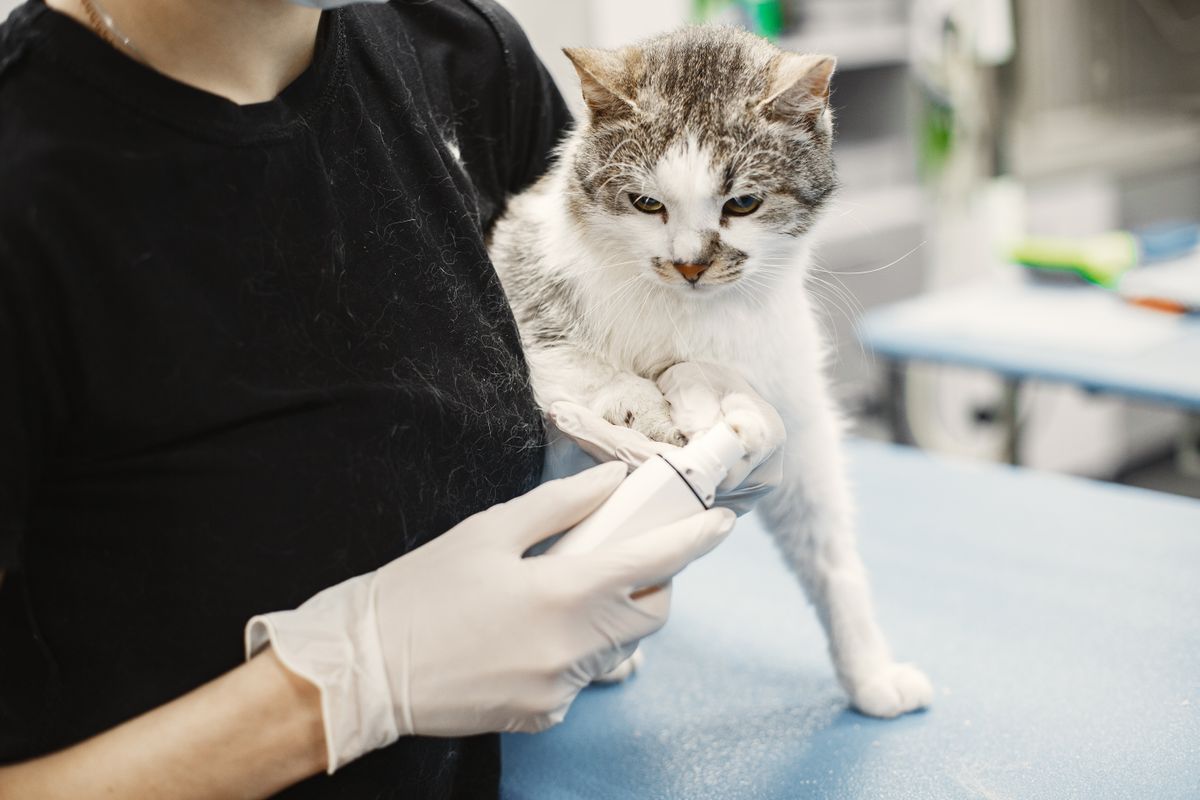
Dog Not Eating? Reasons Your Dog Won't Eat and What to Do

If you notice dog not eating, you’ll want a clear, practical plan. Appetite loss can stem from many causes, from a tummy upset to dental pain or stress. With careful observation and timely care, most situations improve quickly. This guide explains common reasons, what to watch for, and steps you can take at home before talking with a veterinarian.
Common reasons your dog not eating
Medical illness and pain - Infections (viral, bacterial, or parasitic) or inflammatory conditions - Kidney, liver, or pancreatic disease - Gastrointestinal problems such as gastritis or obstruction - Cancer or metabolic disorders - General malaise from fever or systemic illness
Dental problems - Broken tooth, tooth root infection, gingivitis, or mouth ulcers - Chewing pain or difficulty that makes even tasty foods unappealing - Excess drooling or pawing at the mouth
Digestive upset - Nausea from infection, inflammation, or toxin exposure - vomiting or diarrhea that reduces interest in food - Recent ingestion of spoiled food, spoiled treats, or non-food items
Behavioral and environmental factors - Stress, anxiety, or changes in routine (new home, new people, travel) - Boredom with the current food, or a dramatic food change without transition - Competition at mealtime or a messy feeding area
Medication or recent changes - New medications with side effects affecting appetite - Recent vaccination or anesthesia recovery
What to observe and how to respond
- Not eating for 24–48 hours (even in small dogs) or a sudden drop in appetite
- Vomiting, diarrhea, lethargy, or weakness
- Signs of dehydration: dry gums, sunken eyes, tacky skin
- Pale or blue gums, rapid breathing, collapse, or facial swelling
- Difficulty drinking or persistent thirst, especially with fever
- Bleeding from gums, vomiting blood, or black/tarry stools
- Any known toxin exposure (e.g., chocolate, grapes/raisins, xylitol, certain plants)
If you notice any red flags, or if the dog is very young, old, or medically fragile, seek veterinary guidance promptly. For urgent questions, a telehealth visit can help you decide if in-person care is needed. If you’re unsure, describe the symptoms, not just the appetite change, when you reach out.
For dental-related appetite loss or if you suspect oral pain, see our dog dental care guide for tips on evaluating mouth health and comfort.
Practical steps you can take at home
- Ensure fresh water is available and encourage hydration. Offer small sips or ice chips if necessary.
- Gently warm day-old or bland foods to release aroma, which can entice appetite.
- Offer a small portion of a high-value, easily digestible option (see Diet and feeding tips) rather than a full bowl.
- Keep a regular feeding schedule and avoid free-feeding to help you assess appetite changes.
- Consider a temporary bland diet for 1–2 days if the dog had a minor upset (e.g., boiled chicken and rice in small amounts; remove seasoning and bones).
- Check the mouth for dental issues: red gums, tartar buildup, broken teeth, or obvious pain cues. If dental pain seems likely, read the dog dental care guide or seek a veterinary dental exam.
- Remove access to potential toxins or dangerous foods (chocolate, grapes, raisins, onions, xylitol-containing products, certain bones).
- Maintain a simple feeding log: date, time, amount eaten, and any symptoms (vomit, diarrhea, lethargy) to share with your vet.
- If the appetite doesn’t return within 24–48 hours, or if there are ongoing symptoms, contact your veterinarian for a professional assessment.
If you’d like guidance tailored to your dog’s needs, you can discuss options like dietary adjustments or medications with a veterinarian. For concerns that may involve dental pain or a suspected mouth issue, our dog dental care resource can provide pointers to share with your vet.
Note: If you’re dealing with a recent food change, a slower transition can help. For example, mix the new food with the current one over several days, increasing the new portion gradually. If appetite problems persist, a professional evaluation is advised.
Diet and feeding tips
- Choose a balanced, easily digestible diet appropriate for your dog’s age, size, and health status.
- When introducing a new diet, do so gradually over 7–10 days to reduce GI upset.
- For dental discomfort, soft or moistened foods can be easier to chew while you seek veterinary care.
- Use flavorful, dog-safe toppers (small amounts of plain, unsweetened yogurt or unsalted broth) to boost appeal if tolerated.
- Encourage hydration with broth, water, or ice cubes as needed.
- Maintain a consistent feeding schedule; limit treats to avoid filling up on non-nutritive calories.
- If your dog has a known medical condition, follow your veterinarian’s prescribed diet or nutrient plan.
- Do not attempt home “miracle cures” or unproven remedies. If appetite loss continues, a vet visit is the safest next step.
- If you’re unsure about what to feed after an illness, a veterinary-guided therapeutic diet may be recommended.
Prevention and ongoing care
- Regular dental care (brushing, dental chews as advised, routine checkups) supports consistent eating comfort.
- Maintain a predictable feeding routine and stress-reducing environment around meals.
- Keep toxins and harmful foods out of reach; monitor access during outings and travel.
- Schedule regular veterinary checkups and discuss any persistent appetite changes early.
- If your dog has a history of appetite fluctuations, ask your veterinarian about a tailored nutrition plan.
Conclusion A cautious, informed approach helps you address dog not eating without unnecessary worry. By monitoring symptoms, maintaining hydration, and making supportive dietary choices, you can identify when a veterinarian’s assessment is needed and pursue steps that restore appetite and comfort.
Frequently Asked Questions
What should I do first if my dog stops eating suddenly? Begin with a quick safety check: ensure fresh water is available, observe for vomiting or diarrhea, and note any signs of pain or lethargy. If the dog has not eaten for 24–48 hours or shows red flags, contact a veterinarian for guidance.
Can dehydration cause a loss of appetite? Yes. Dehydration can blunt appetite and worsen illness. Encourage fluids and seek veterinary care if dehydration is suspected or if drinking remains limited.
Are there safe home remedies for a picky eater? Offer small, easily digestible, high-value foods in a warm, scent-rich form. Avoid dangerous foods and long delays in seeking veterinary care if appetite does not return promptly.
Could dental problems really cause a dog not eating? Absolutely. Mouth pain from dental disease can significantly reduce willingness to chew. If you notice drooling, bad breath, or trouble chewing, a dental check is warranted.
When is this an emergency? If your dog shows collapse, rapid breathing, pale gums, seizures, severe vomiting with signs of dehydration, or you suspect ingestion of a toxin, seek urgent veterinary care immediately. For persistent appetite loss or worsening symptoms, schedule a veterinary appointment promptly.
Still have questions?
Don't rely on Google if your pet is showing symptoms. Get a professional opinion in minutes.
Talk to a Vet Now