Puppy Diarrhea: Causes, Treatment, and When to Worry
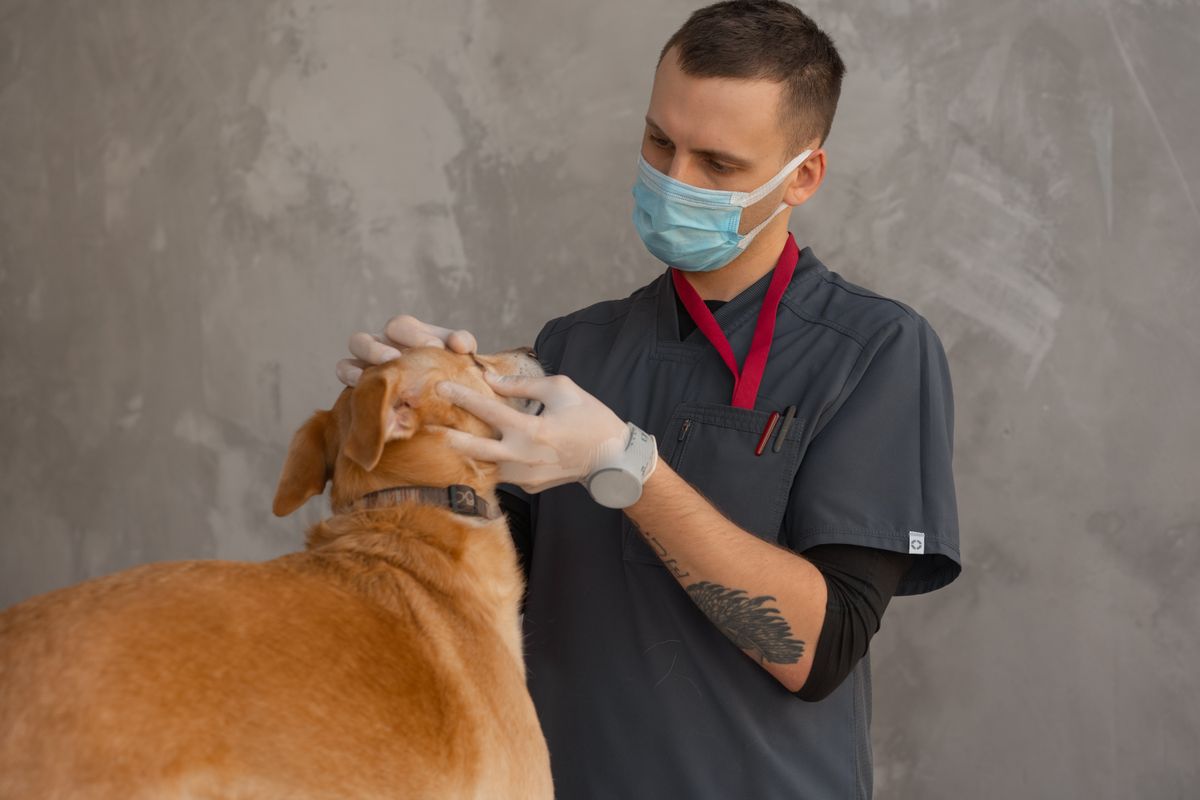
Puppy diarrhea is a common reason new puppy guardians reach out to their veterinarian. When a puppy has puppy diarrhea, the stools are loose or watery and more frequent than normal, signaling that the gut is reacting to something in the environment, from a sudden diet change to a parasite or infection.
Common causes of puppy diarrhea - Dietary indiscretion: scavenging garbage, spoiled leftovers, or rapid changes in diet can disrupt digestion. - Sudden diet changes or new foods: a brisk switch without a gradual transition often triggers an upset tummy. - Parasites: roundworms, hookworms, Giardia, and coccidia are common in puppies and can cause loose stools. - Infections: viral (such as parvovirus) or bacterial infections can lead to diarrhea, sometimes with vomiting. - Toxins and spoiled substances: chocolate, xylitol-containing products, certain plants, or cleaners can cause GI upset. - Food intolerances or allergies: some puppies react to specific ingredients in their diet. - Stress and environmental changes: boarding, travel, or new routine can temporarily upset digestion. - Pancreatic or inflammatory conditions: less common in puppies but possible and require veterinary evaluation.
Recognizing dehydration and red flags - Lethargy, dry gums, sunken eyes - Very dilluted or reduced urine output - Delayed skin turgor (skin stays tented when pinched) - Vomiting or repeated episodes of diarrhea - Bloody, black, or mucus-filled stool - Refusal to drink or continue diarrhea beyond 24 hours in a very young puppy
If you notice any red flags or your puppy is very young (under 8 weeks) or unvaccinated, seek veterinary care promptly.
Diagnosis and testing - Physical exam and medical history: your veterinarian will assess hydration, weight, and overall condition. - Fecal testing: parasite screens, Giardia/coccidia checks, and bacterial cultures help identify infectious causes. - Deworming history and vaccination status are reviewed to tailor treatment. - In some cases: blood work, electrolyte panels, or imaging may be recommended to rule out more serious issues like blockages or organ disease.
Treatment and home care - Hydration first: provide consistent access to fresh water and, if recommended by your vet, an oral rehydration solution formulated for puppies. In some cases, brief veterinary supervision for fluids may be needed. - Diet and feeding strategy: - If the puppy is not vomiting, offer small, frequent meals. - Introduce a bland diet for 3–5 days: boiled skinless chicken or turkey, and plain white rice. Some puppies tolerate canned pumpkin or a vet-recommended gastrointestinal diet. - Gradually reintroduce the puppy’s regular food over several days. - Probiotics: age-appropriate probiotics can help restore normal gut flora; discuss a suitable product with your veterinarian. - Avoid certain foods and medicines: - Do not give dairy products, fatty foods, onions, garlic, grapes, or candy. - Do not give over-the-counter human anti-diarrheals unless advised by a vet; many medications can be dangerous for puppies. - Monitor stool and energy: keep a simple log of stool consistency, frequency, water intake, and activity levels. - When to contact the vet during home care: - Diarrhea persists beyond 24–48 hours in a young puppy - Vomiting continues or worsens - Signs of dehydration develop - Blood or black tarry stools are seen - The puppy is very young, unvaccinated, or shows listless behavior
Persistent or severe cases require veterinary evaluation because dehydration and electrolyte imbalance can quickly become risky in puppies.
When to seek urgent veterinary care - Severe dehydration signs or collapse - Inability to keep fluids down for more than several hours - Diarrhea with vomiting that lasts more than 12 hours - Bloody or black stools - Fever or signs of abdominal pain - Diarrhea lasting more than 48 hours despite at-home care - Very young puppy (under 6–8 weeks) or puppy with a compromised immune system
Puppies with these concerns deserve timely in-person assessment to rule out life-threatening issues like parvovirus or intestinal obstruction and to initiate proper treatment.
Prevention and long-term care - Vaccination against core diseases, including parvovirus, is essential for puppies. - Preventive deworming as recommended by your veterinarian. - Gradual, consistent diet changes; avoid feeding table scraps or spoiled foods. - Safe, puppy-appropriate treats and limited access to garbage or risky substances. - Regular potty and social routines to reduce stress. - Probiotics or a probiotic-rich diet may support gut health after an illness—discuss a plan with your vet. - Keep up with routine veterinary visits and promptly address any GI symptoms.
Conclusion Puppy diarrhea is a signal from the gut that something may be affecting digestion. Most cases are mild and respond well to careful home care and close veterinary monitoring, especially when dehydration is prevented and a gentle reintroduction of food is used. If your puppy experiences persistent diarrhea, blood in stool, or signs of dehydration, a veterinary visit is the safest step to ensure your puppy stays healthy and comfortable. Remember, timely assessment helps address the underlying cause and supports a quick return to normal, happy puppy days.
Frequently Asked Questions
How should I feed a puppy with diarrhea? Start with small, frequent meals of a bland diet (such as boiled chicken or turkey with plain white rice) for 3–5 days, then gradually reintroduce the puppy’s regular food. Ensure continued access to fresh water and monitor stool quality closely. If diarrhea persists beyond 24–48 hours, contact your veterinarian.
How long does puppy diarrhea typically last? Mild cases often improve within 24–48 hours with supportive care and hydration. If diarrhea continues beyond this window or if there are red flags (vomiting, dehydration, blood in stool), seek veterinary care promptly.
Can I give human diarrhea medicines to my puppy? No. Over-the-counter anti-diarrheals can be dangerous for puppies and may mask a serious underlying issue. Always consult a veterinarian before giving any medication to a puppy.
Is puppy diarrhea contagious to other dogs? Some causes, such as parvovirus, Giardia, and certain bacterial infections, are contagious. Avoid exposing littermates or other dogs until a veterinarian confirms the cause and establishes appropriate treatment or quarantine measures.
When should I bring my puppy to the vet right away? If you notice signs of severe dehydration, persistent vomiting, blood in stool, fever, abdominal pain, or if diarrhea lasts more than 24–48 hours in a puppy, contact your veterinarian immediately for an evaluation. Early care improves outcomes and helps keep your puppy safe and comfortable.
Still have questions?
Don't rely on Google if your pet is showing symptoms. Get a professional opinion in minutes.
Talk to a Vet Now