Cat Not Eating? Causes and When It Becomes an Emergency
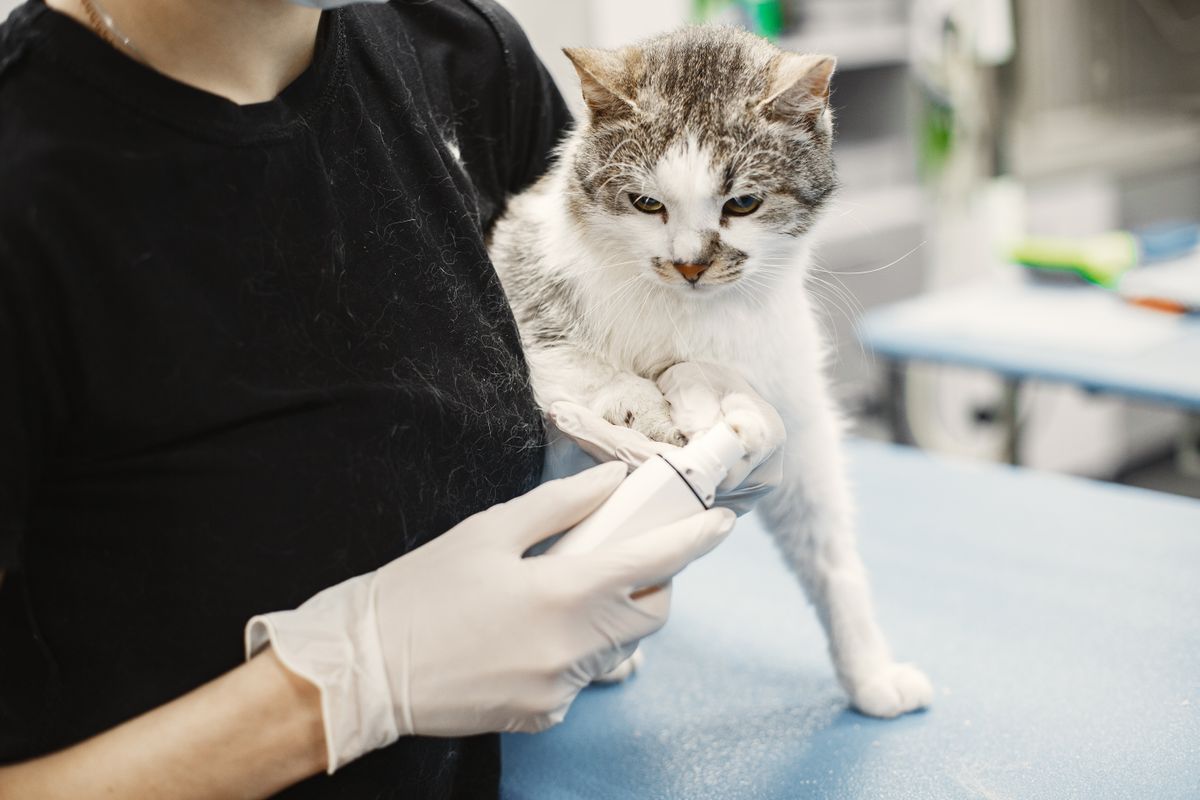
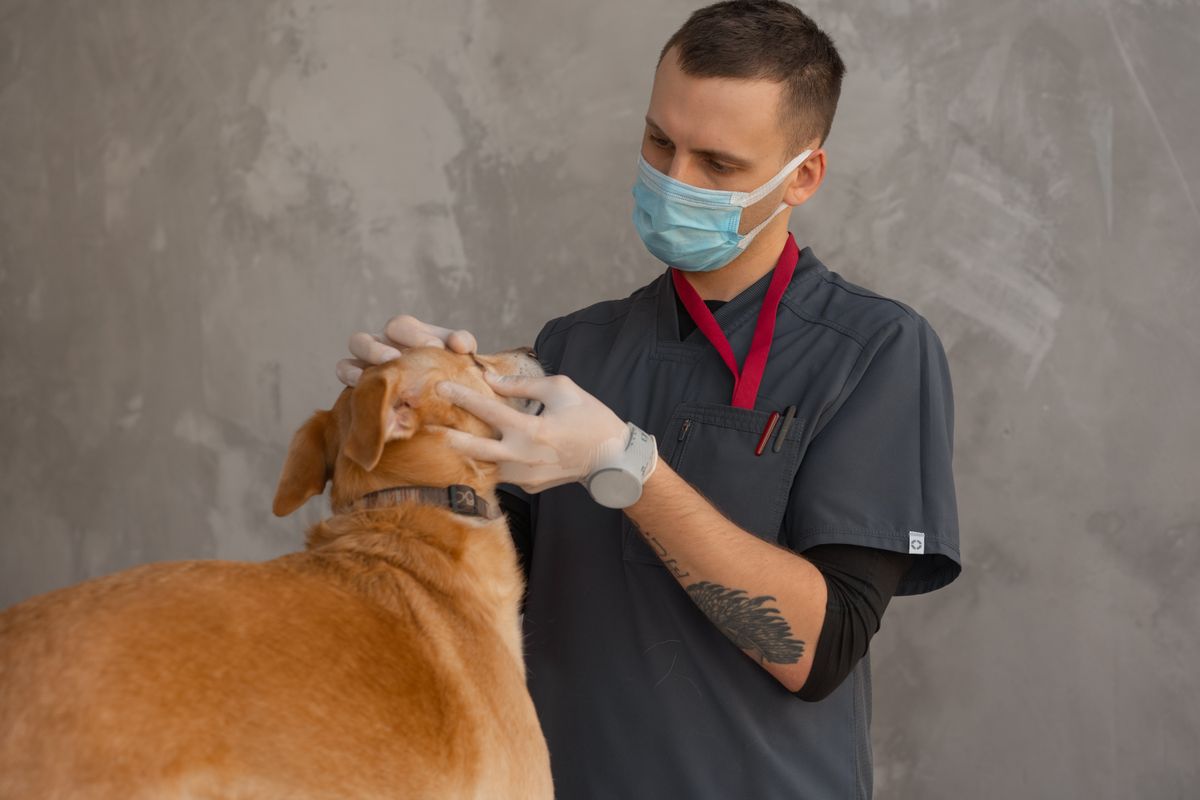
A cautious approach to appetite changes keeps your cat safer, because even a brief period of reduced interest in food can signal something that needs attention. When you notice a cat not eating, observe other clues like drinking habits, energy, and bathroom patterns. Early awareness helps you decide whether to monitor at home or seek veterinary care promptly.
Common causes of cat not eating Understanding why your cat may stop eating helps you decide what to do next. Not every cause is serious, but some require swift veterinary evaluation.
Pain or dental problems - Bad breath, trouble chewing, drooling - Dropping food from the mouth or favoring one side - Swelling or redness around the gums - Behavioral signs like irritability during handling or meal time
Digestive or systemic illnesses - Vomiting, diarrhea, constipation - Lethargy, hiding, or reluctance to move - Weight loss over weeks - Fever or dehydration
Environmental or behavioral changes - New food, changes in brand, texture, or temperature - A move to a new home or rearranged feeding area - Introduction of another pet or a stressful event
Medications, surgery, or recent illness - Pain relief or antibiotics that upset stomachs - Anesthesia or procedures that temporarily reduce appetite - Ongoing conditions like kidney disease or hyperthyroidism that influence feeding
When to seek urgent care Some signs mean you should contact a veterinarian right away or head to an emergency clinic.
- Cat not eating for 24–48 hours, especially if showing dehydration
- Severe lethargy, collapse, or rapid breathing
- Repeated vomiting with any food or bile
- Inability to drink water or signs of dehydration (dry gums, skin tenting)
- Pale or yellowish gums, blue tinge to gums or tongue (possible anemia or liver issues)
- Suspected trauma, choking, facial swelling, or sudden inability to swallow
If you’re ever unsure, it’s better to err on the side of caution and arrange a vet visit. Your veterinarian can determine whether this is a manageable issue at home or something requiring urgent tests.
At-home steps to support a cat not eating While you arrange veterinary care when needed, these gentle steps can support comfort and hydration.
- Offer small, frequent meals of familiar foods at room temperature
- Warmed, aromatic foods (like a little tuna water or low-sodium broth) can entice appetite, but avoid strong seasonings
- Ensure constant access to fresh water; consider a pet fountain to encourage drinking
- Keep a quiet, comfortable feeding area away from stressors (loud noises, other pets)
- Monitor for signs of dehydration: skin elasticity, gum moisture, and overall responsiveness
- Avoid force-feeding; instead, place small amounts in a calm, confident manner
- Track changes in appetite, energy, litter box use, and weight; share these with your vet
If your cat has a known medical condition, follow your doctor’s instruction about medications or special diets. For example, pets with renal disease or diabetes may benefit from specific nutritional plans and hydration strategies coordinated with a vet.
How veterinarians investigate a reduced appetite A veterinary visit helps rule out serious problems and tailors care to your cat’s needs.
- Physical exam focusing on mouth, throat, abdomen, and hydration status
- Basic blood work to assess organ function, anemia, and infection
- Urinalysis to evaluate kidney function and metabolic balance
- Imaging (ultrasound or X-rays) if an abdominal or organ issue is suspected
- Special tests for suspected conditions (e.g., thyroid testing, abdominal ultrasound)
Treatment depends on the underlying cause and may include dental care, appetite stimulants, fluid therapy, medications to control nausea, or longer-term management if a chronic illness is identified.
Prevention and ongoing care Healthy feeding routines and early observation reduce the risk of future episodes.
- Maintain a consistent feeding schedule and offer foods your cat enjoys
- Introduce any dietary changes gradually over several days
- Keep vaccinations and preventive care up to date to reduce illness risk
- Schedule regular veterinary checkups, especially for older cats or those with chronic conditions
- Monitor weight and body condition; report any gradual changes promptly
If your cat has any history of dental disease, kidney disease, or gastrointestinal problems, keep a close eye on appetite fluctuations and coordinate with your veterinarian on a management plan. When a cat not eating is witnessed alongside other subtle signs, such as subtle changes in activity or hydration, it’s a signal to seek professional guidance sooner rather than later.
Related topics you might find helpful include articles on dog-not-eating, puppy-diarrhea, dog-dental-care, and dog-pancreatitis, which cover how appetite changes manifest in other species and what to look for in urgent care scenarios. For more feline-focused guidance, your vet can tailor advice to your cat’s age, breed, and medical history.
Conclusion A thoughtful, timely approach to changes in appetite helps protect your cat’s health. If you notice a prolonged period of appetite loss or any accompanying red flags, contact your veterinarian to determine whether at-home care is appropriate or if urgent testing is needed. Remember, cat not eating is a signal worth taking seriously, and early veterinary involvement often leads to smoother, faster recovery.
Frequently Asked Questions
What counts as an emergency if my cat stops eating? An emergency includes persistent inability to drink water, severe lethargy, signs of dehydration, vomiting that prevents keeping fluids down, or a sudden, drastic decline in condition. If you’re unsure, contact your veterinarian or an emergency clinic promptly.
How long can a cat go without eating safely? Most cats should not go more than 24–48 hours without eating, particularly if they are showing signs of dehydration or weakness. Very young kittens or cats with chronic illnesses may deteriorate more quickly, so seek care sooner if you have concerns.
What are common causes of loss of appetite in cats? Common causes include dental pain or disease, gastrointestinal upset, systemic infections or organ problems (kidneys, liver, thyroid), medications, stress or changes in environment, and recent surgery or anesthesia.
When should I contact a vet for a cat not eating? If the appetite loss lasts beyond 24 hours, if dehydration is suspected, if there are vomiting episodes, or if the cat shows lethargy, weakness, or difficulty breathing. If the cat is very young, old, or has a known chronic illness, seek guidance sooner.
Are there home remedies for a cat not eating? Home remedies are best limited to supportive measures like offering warm, familiar foods, offering moisture-rich options, and ensuring accessible water. Do not rely on home remedies for sudden, persistent appetite loss—seek veterinary advice to identify and treat the underlying cause.
Still have questions?
Don't rely on Google if your pet is showing symptoms. Get a professional opinion in minutes.
Talk to a Vet Now