Cat Congested and Not Eating: Why Smell Matters So Much
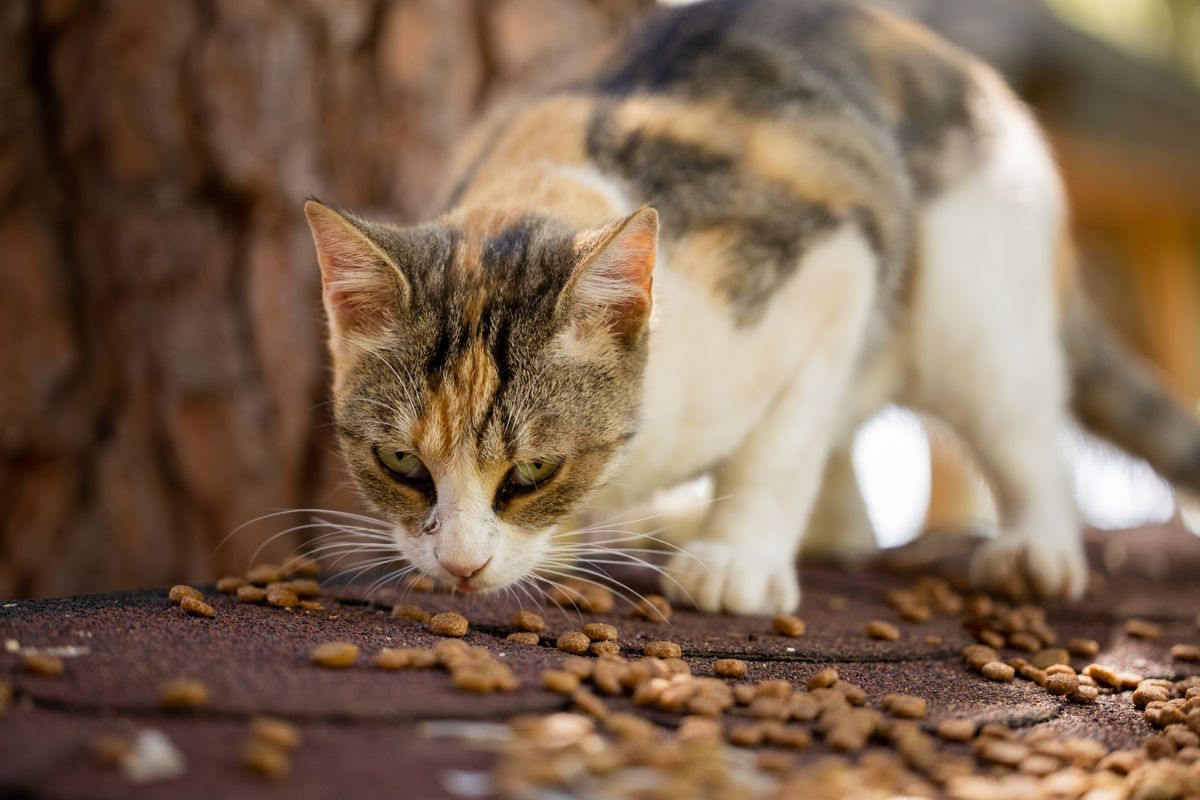
Cats rely heavily on smell to determine whether food is worth eating — far more than most owners realize — which means nasal congestion, even relatively mild congestion, can trigger a real drop in appetite simply because the cat can no longer smell their food properly, not because anything is wrong with their stomach or their actual desire to eat.
This becomes a genuine concern because appetite loss in cats carries its own separate risk — cats who go without adequate food for roughly 24-48 hours are at risk of developing hepatic lipidosis, a serious liver condition. This means a congestion-driven appetite drop, left unaddressed, can compound into a second, more dangerous problem layered on top of the original respiratory infection.
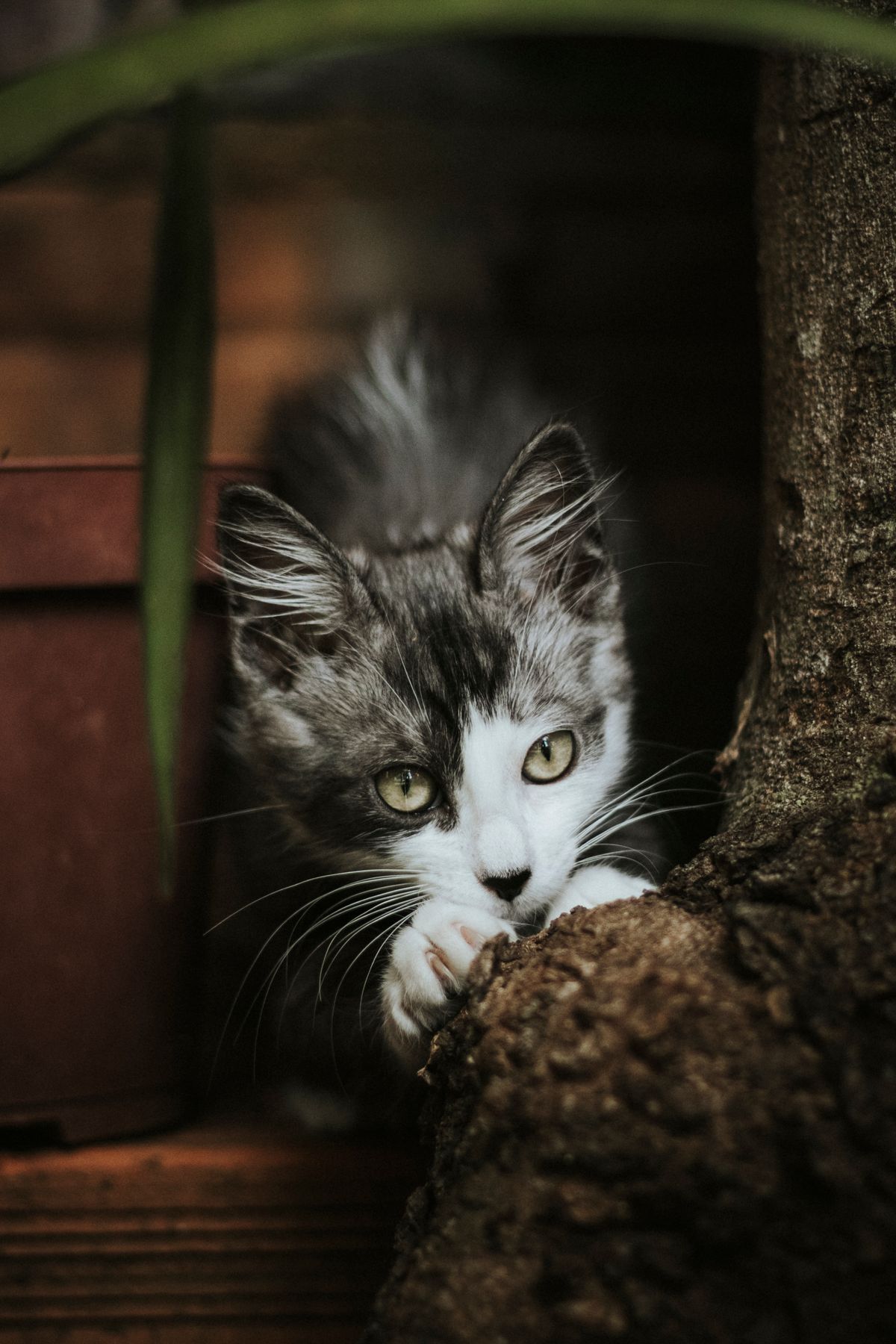
This scenario comes up especially often in kittens with upper respiratory infections, but adult and senior cats with any significant congestion (from allergies, infection, or other causes) can experience the same appetite-smell connection.
What to do: If your cat is congested and eating less, try warming wet food slightly (this releases more aroma), offering especially strong-smelling foods temporarily, and gently wiping any nasal discharge to help keep the nasal passage as clear as possible. If your cat isn't eating at all despite these efforts, or congestion and appetite loss continue beyond a day or so, contact a vet — this combination needs to be addressed on both fronts, treating the congestion itself and ensuring adequate nutrition doesn't lapse for too long.
For the broader risk of appetite loss in cats generally, here's why this needs faster attention than the same symptom in dogs.
Still have questions?
Don't rely on Google if your pet is showing symptoms. Get a professional opinion in minutes.
Talk to a Vet Now