Kitten Sneezing and Congestion: Upper Respiratory Infections
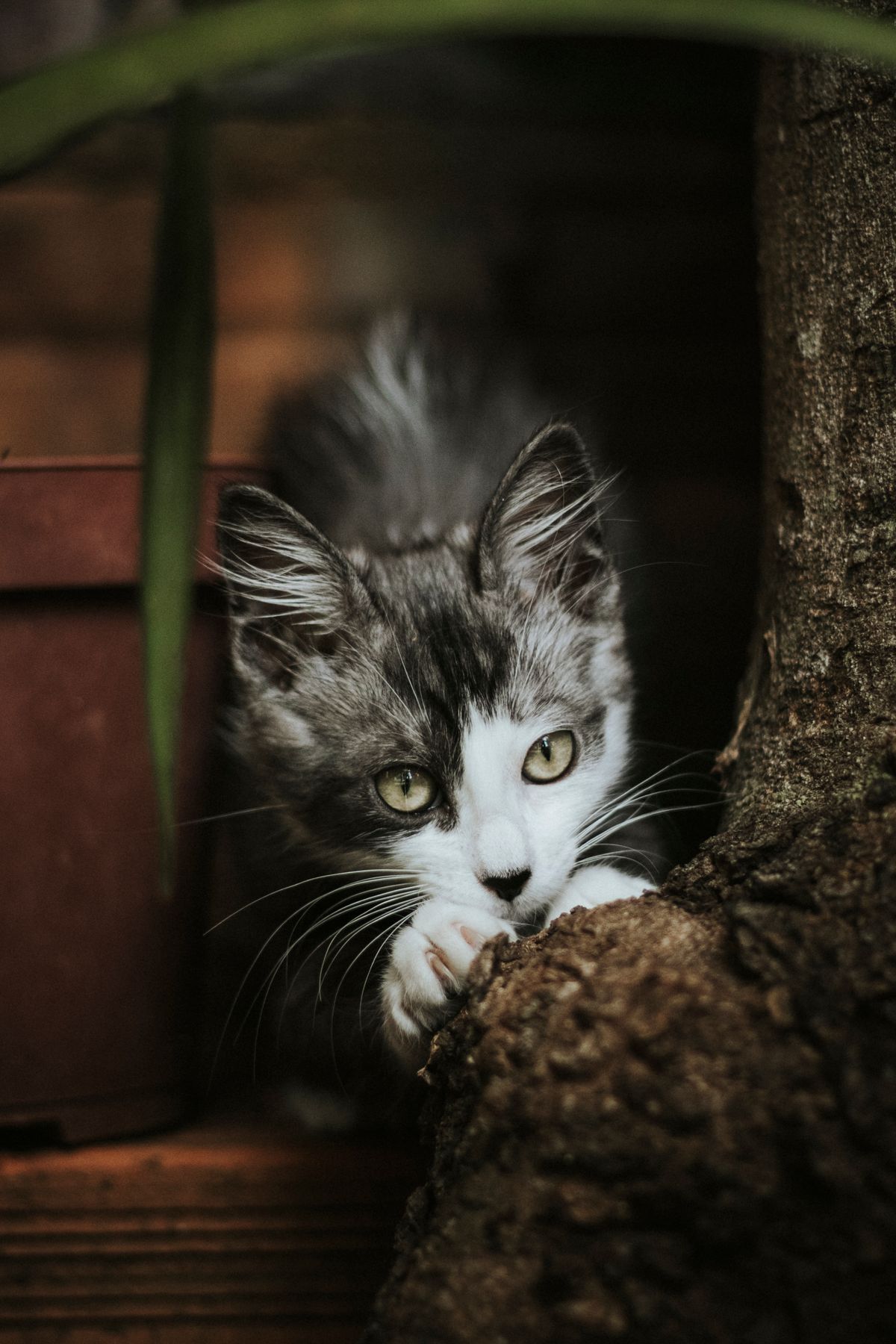
Upper respiratory infections are extremely common in kittens, particularly those coming from shelters, rescues, or environments with multiple cats, where viruses like feline herpesvirus and calicivirus spread easily. Many adult cats carry these viruses in a dormant state without symptoms, but kittens with still-developing immune systems are more likely to show active illness, especially during the stress of a recent adoption or environment change.
Typical symptoms include frequent sneezing, nasal discharge (clear at first, sometimes progressing to thicker and colored if a secondary bacterial infection develops), watery eyes, and sometimes mild lethargy. Most cases in otherwise healthy kittens are manageable and resolve within one to two weeks with supportive care, similar to how a human cold runs its course.
The bigger concern with kittens specifically is the effect of congestion on appetite — a kitten with a blocked nose can't smell their food well, and smell is what drives most of a cat's interest in eating. A kitten who stops eating because of congestion is at risk for the same low blood sugar and rapid decline risks that apply to any kitten not eating, layered on top of the respiratory illness itself.
What to do: For mild sneezing and clear discharge with a kitten still eating and playing, supportive care (keeping the eyes and nose gently cleaned, ensuring a warm and low-stress environment) is often sufficient. Warming wet food slightly can help make it more appealing to a congested kitten. Any reduction in eating, worsening discharge, lethargy, or symptoms lasting beyond a week or two warrant a vet visit — antibiotics may be needed if a secondary bacterial infection has developed.
If appetite has already started declining, here's why that specific combination needs fast attention in kittens.
Still have questions?
Don't rely on Google if your pet is showing symptoms. Get a professional opinion in minutes.
Talk to a Vet Now