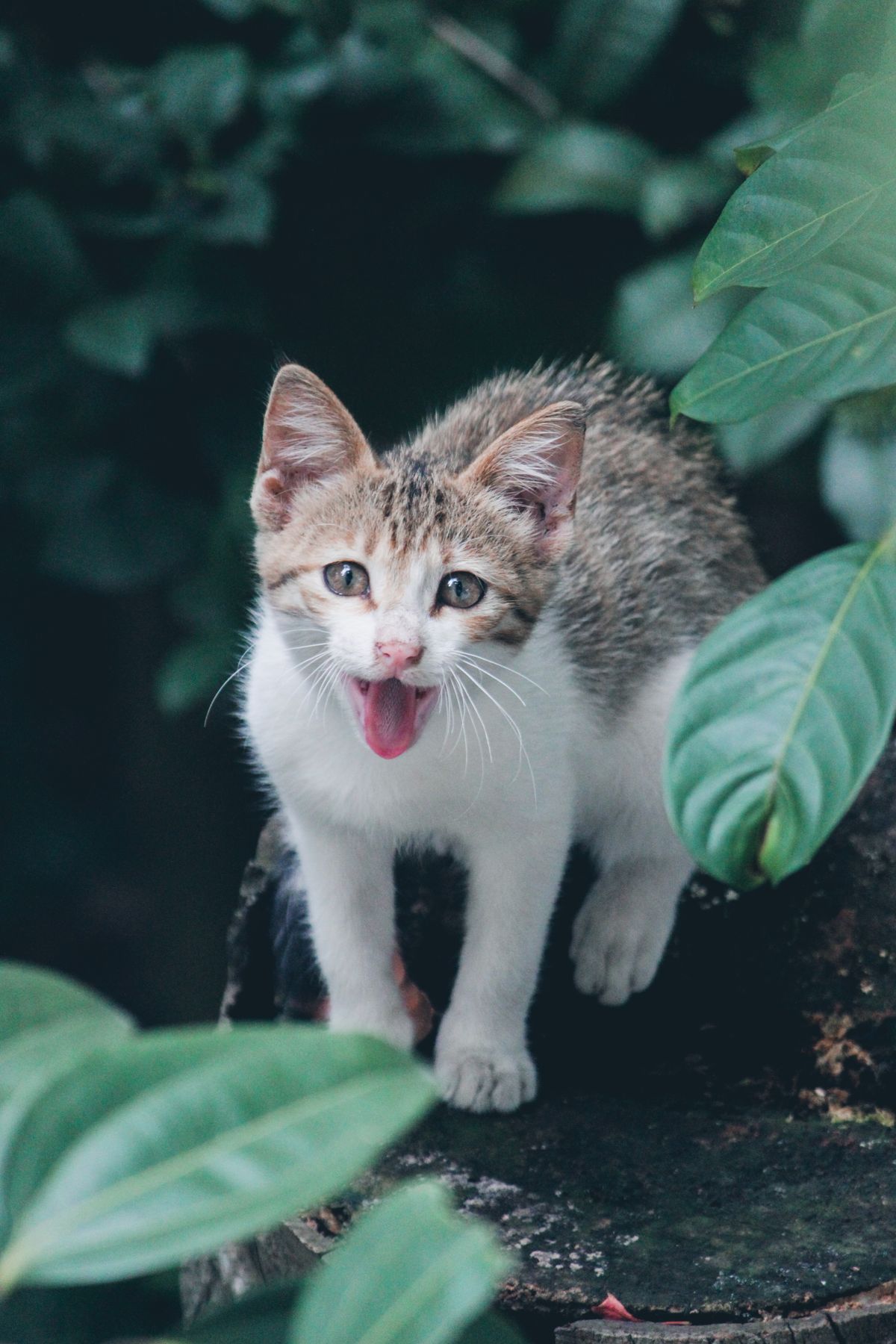
Kitten Not Eating: Why This Is Riskier Than in Adult Cats
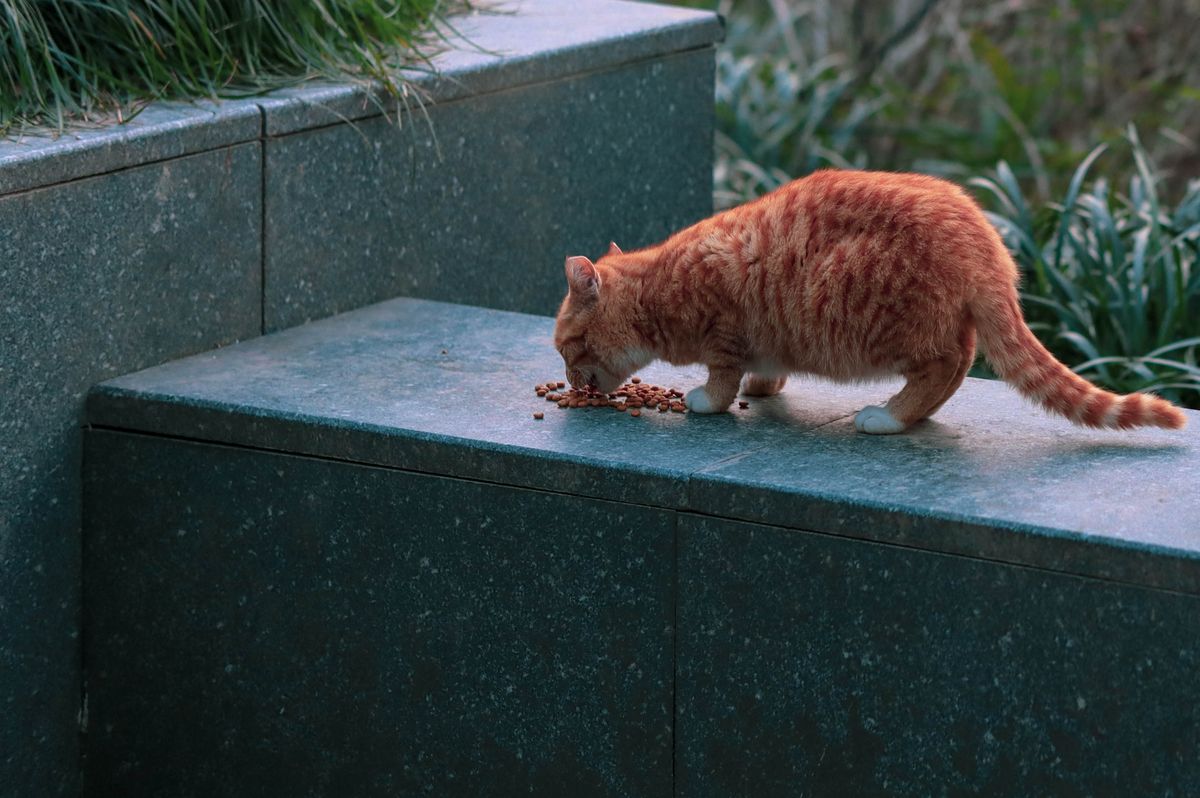
If appetite loss in adult cats deserves a lower threshold for concern than in dogs, that threshold drops even further for kittens. Their small size, rapid growth, and limited energy reserves mean that going without food for even a shorter window than the 24-48 hours that concerns owners with adult cats can lead to dangerously low blood sugar, and the risk of hepatic lipidosis (the same liver condition that affects fasting adult cats) applies here too, sometimes developing faster given a kitten's proportionally smaller reserves.
Common causes include stress from a new home (extremely common in the first days after adoption), upper respiratory infections (which affect smell and therefore interest in food), intestinal parasites, teething discomfort as adult teeth come in, and dietary transitions that haven't gone smoothly.
A newly adopted kitten who's overwhelmed and slow to eat in the first day is common and often resolves with patience, a quiet space, and offering a variety of textures or warming food slightly to increase its smell appeal. A kitten who won't eat at all, seems weak, or is unusually quiet is a different and more urgent situation.
What to do: If a kitten hasn't eaten anything within about 12-24 hours, or shows any weakness, wobbliness, or unusual lethargy alongside not eating, contact a vet the same day — this age group doesn't have the margin for extended "wait and see." Offering warmed, strong-smelling food can help encourage a hesitant eater in the meantime, but shouldn't replace getting professional input if the refusal continues.
For a related look at how urgently kitten symptoms need to be taken in general, here's more on kitten vomiting specifically.
Still have questions?
Don't rely on Google if your pet is showing symptoms. Get a professional opinion in minutes.
Talk to a Vet Now