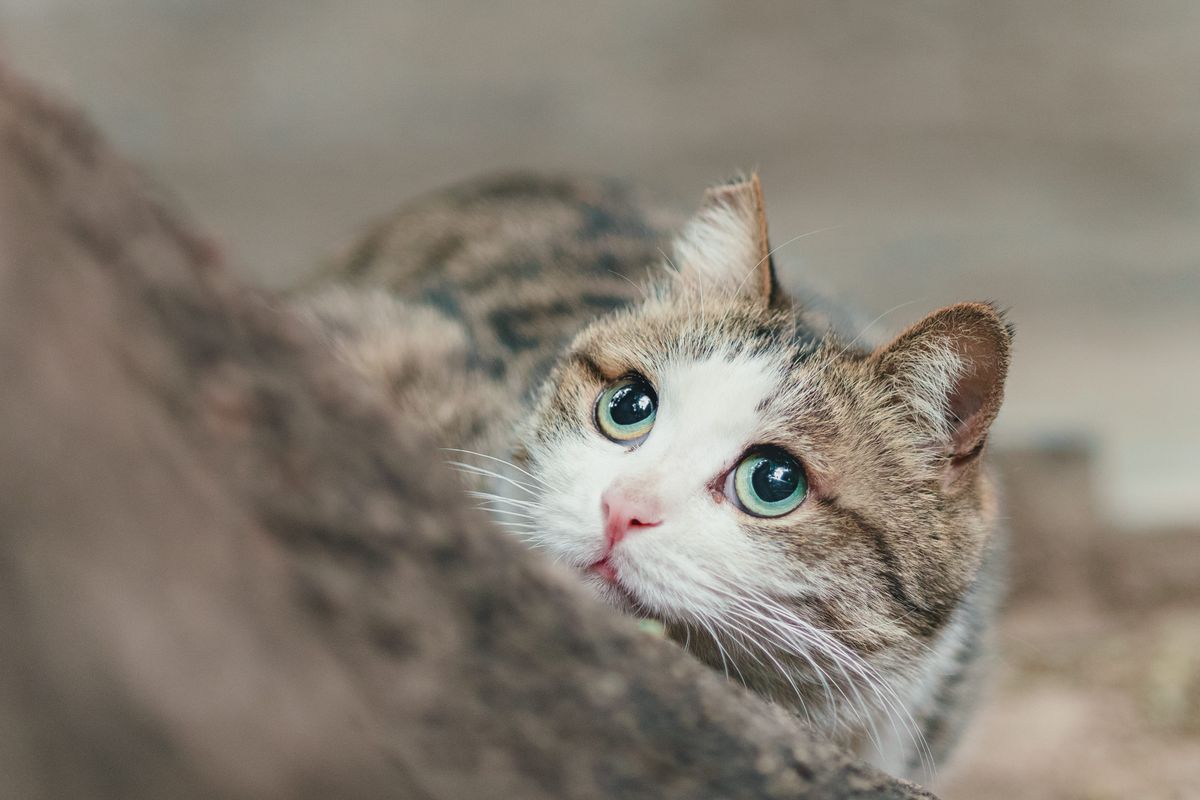
Kitten Vomiting: When to Call a Vet
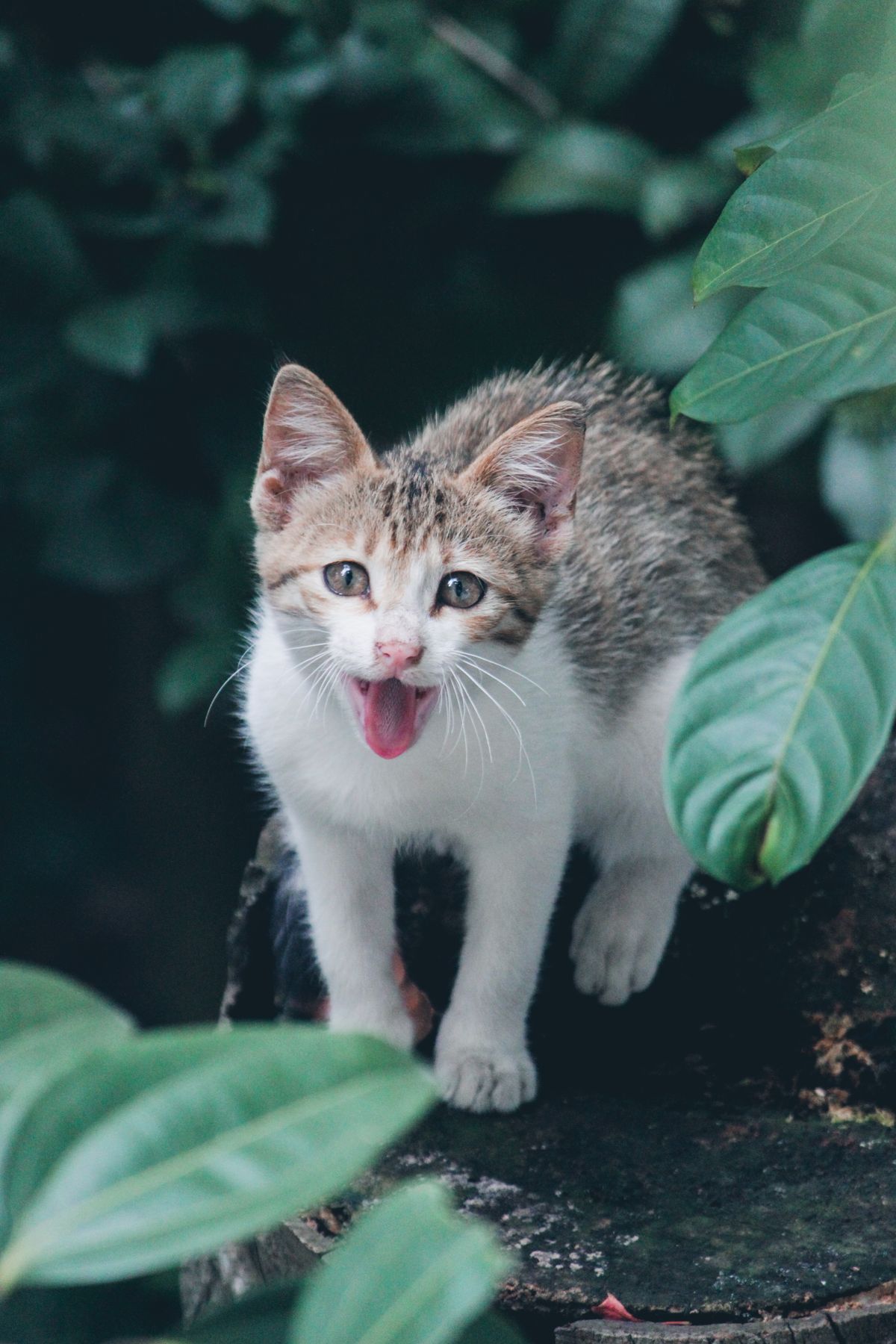
Vomiting in kittens deserves faster attention than the same symptom in an adult cat, mainly because kittens have very little physical reserve — dehydration and blood sugar drops happen much faster in a small, growing body, and a kitten can go from "seems a little off" to genuinely unwell within hours in a way that an adult cat generally doesn't.
Common causes include intestinal parasites (very common in kittens, especially those from shelters or unknown backgrounds), sudden diet changes, viral infections, ingestion of something inappropriate during normal kitten exploration and chewing, and less commonly, congenital issues that show up early in life. A kitten who vomits once and continues playing, eating, and acting normal is a lower concern than a kitten who vomits and then becomes quiet, weak, or stops eating.
Because kittens are also more prone to hypoglycemia (low blood sugar) when they're not eating well, a vomiting kitten who then skips meals is at compounding risk — the vomiting causes fluid loss, the lack of eating removes the glucose reserve, and the combination can decline quickly, particularly in very young or small kittens.
What to do: A single mild vomiting episode with continued normal energy and appetite can be watched for a few hours. Repeated vomiting, any lethargy, weakness, or refusal to eat afterward warrants a same-day call to a vet — this isn't an age group where "wait and see for a day" is the safer default.
If a low blood sugar crash is a concern based on how your kitten is acting, here's what that looks like and how it was handled in a real situation — the urgency and signs to watch for carry over even outside a diabetes context.
Still have questions?
Don't rely on Google if your pet is showing symptoms. Get a professional opinion in minutes.
Talk to a Vet Now