Why Won't My Cat Eat? Common Causes of Appetite Loss
Appetite loss in cats deserves a lower threshold for concern than the same symptom in dogs, for a specific physiological reason: cats who go without adequate food for roughly 24-48 hours are at risk of developing hepatic lipidosis, a serious and potentially fatal liver condition that develops as the body starts breaking down fat reserves too quickly for the liver to process safely. This risk is elevated further in overweight cats, making "just wait it out" a genuinely riskier default with cats than it is with dogs.
Common causes of appetite loss in cats include dental pain, nausea from an underlying GI issue, stress (a new pet, a move, a change in routine, or even rearranged furniture can affect some cats more than owners expect), upper respiratory infections affecting smell (which drives most of a cat's interest in food), kidney disease, and a range of other medical conditions, particularly in older cats.
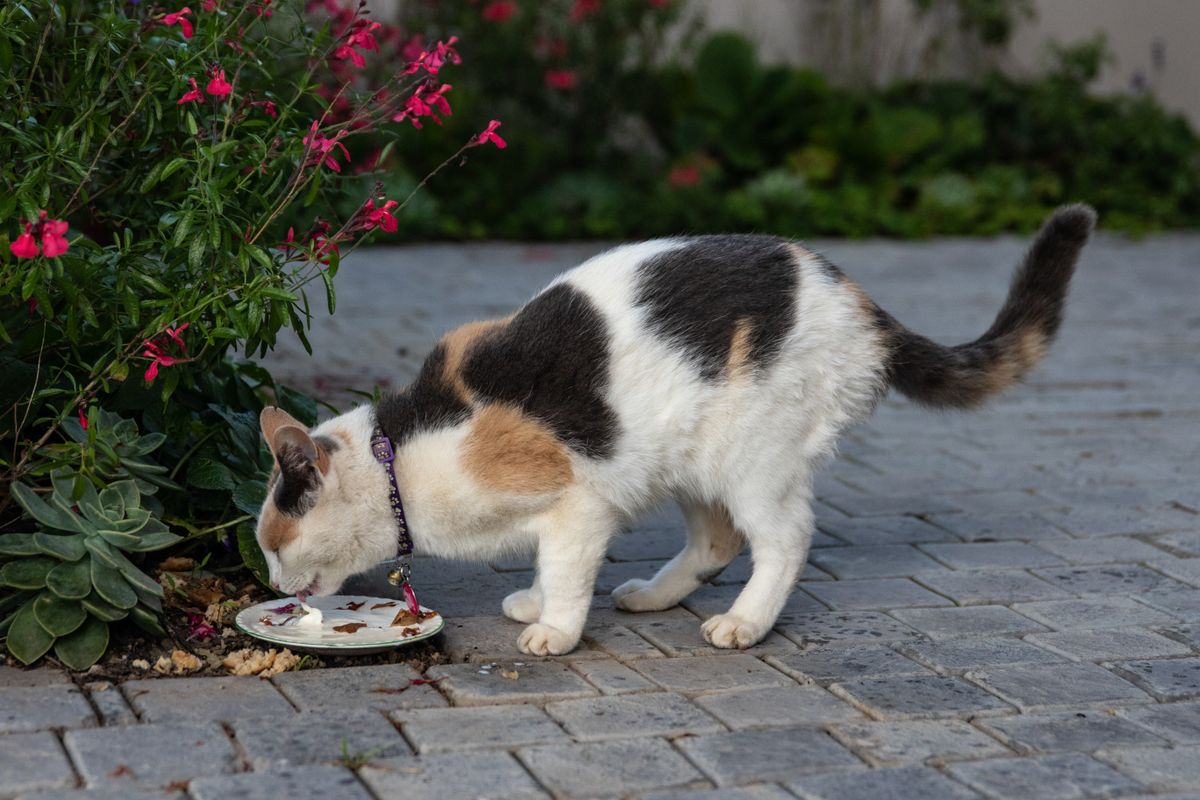
A cat who's simply being picky about a specific food but eating other things, or drinking normally, is different from a cat refusing all food and water together — the latter is a more urgent combination.
What to do: If your cat skips one meal but is otherwise acting normal, monitoring for the next meal is reasonable. Any cat not eating at all for more than 24 hours warrants a call to a vet given the hepatic lipidosis risk — this isn't a symptom to wait out over a weekend, especially in an overweight cat.
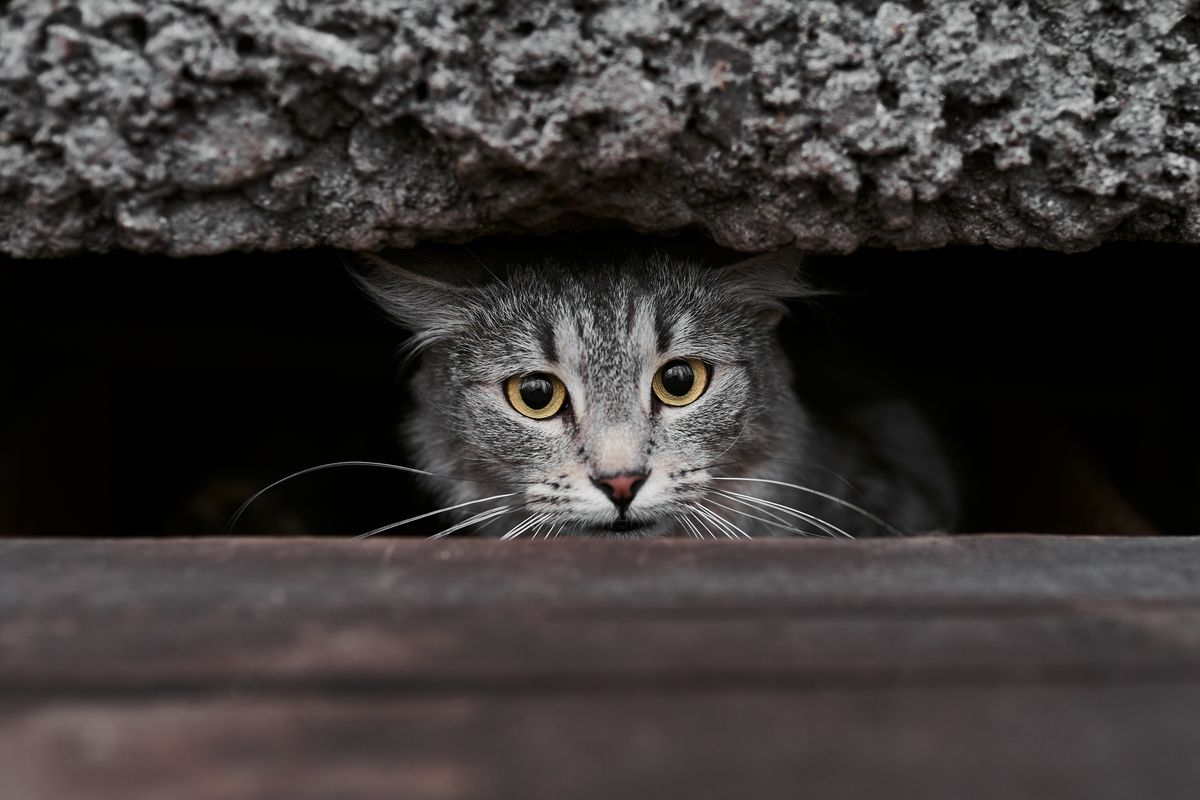
If hiding behavior is part of the picture too, that combination often points toward a specific set of causes worth understanding.
Still have questions?
Don't rely on Google if your pet is showing symptoms. Get a professional opinion in minutes.
Talk to a Vet Now