Cat Not Eating and Hiding: What It Usually Means
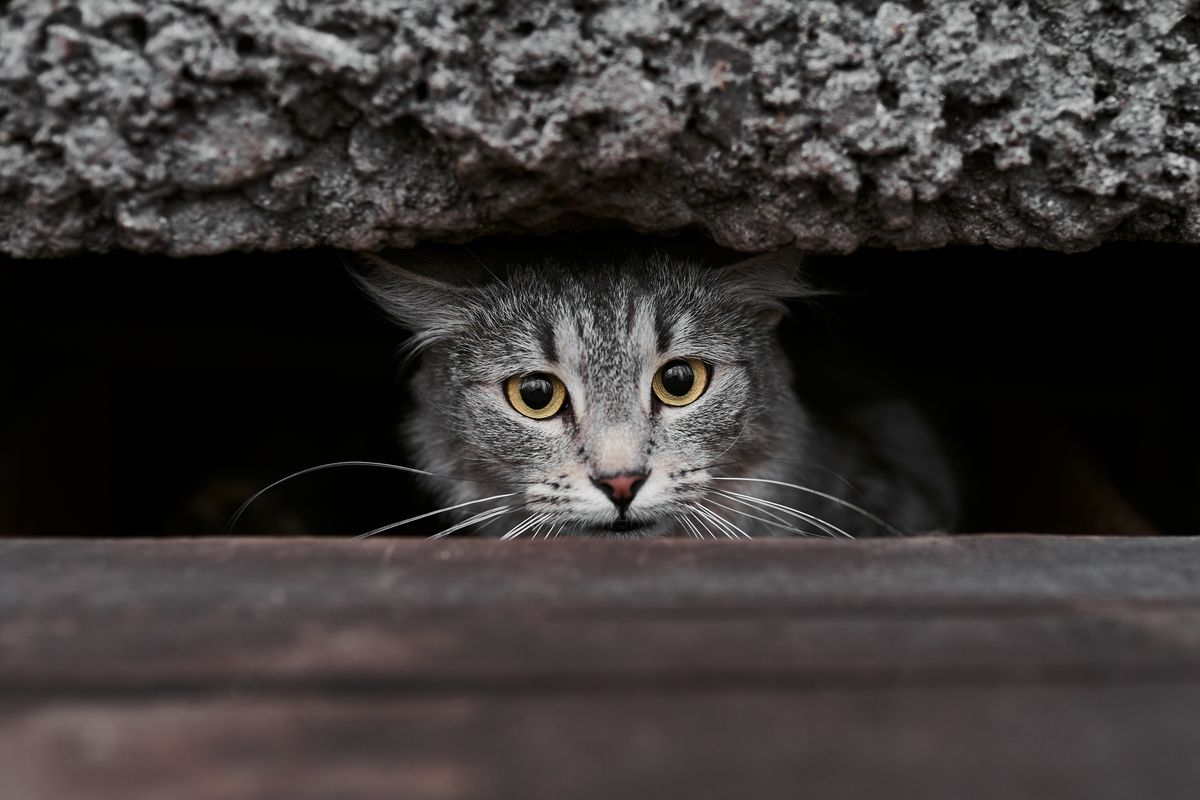
Cats are instinctively inclined to hide signs of illness or vulnerability, a behavior rooted in their history as both predator and prey — appearing weak or sick in the wild makes an animal a target, and that instinct persists in domestic cats even without any actual predators around. This means visible hiding behavior, combined with not eating, is generally a more reliable signal of real illness than either symptom alone, since a cat has essentially stopped being able to mask how unwell they feel.
Common underlying causes for this combination include pain from an injury or dental issue, urinary tract problems (particularly urgent in male cats, who can develop a life-threatening blockage), nausea from a GI issue, respiratory infections, or in more serious cases, more significant illness. Stress-related hiding (a new pet, a loud event, a household change) can also cause temporary appetite reduction and hiding without underlying illness, but this typically resolves within a day as the cat adjusts, whereas illness-related hiding tends to persist or worsen.
What to do: If your cat is hiding and not eating for more than a few hours beyond an identifiable stressful event (fireworks, a visitor, a loud repair happening in the home), or if there's no clear stress trigger at all, treat this combination seriously and contact a vet promptly. Male cats showing this pattern combined with straining to urinate or frequent trips to the litter box without producing urine need emergency attention specifically for potential urinary blockage, which can be fatal within a day or two if untreated.
For more on how quickly appetite loss specifically needs to be addressed in cats, here's the broader picture.
Still have questions?
Don't rely on Google if your pet is showing symptoms. Get a professional opinion in minutes.
Talk to a Vet Now