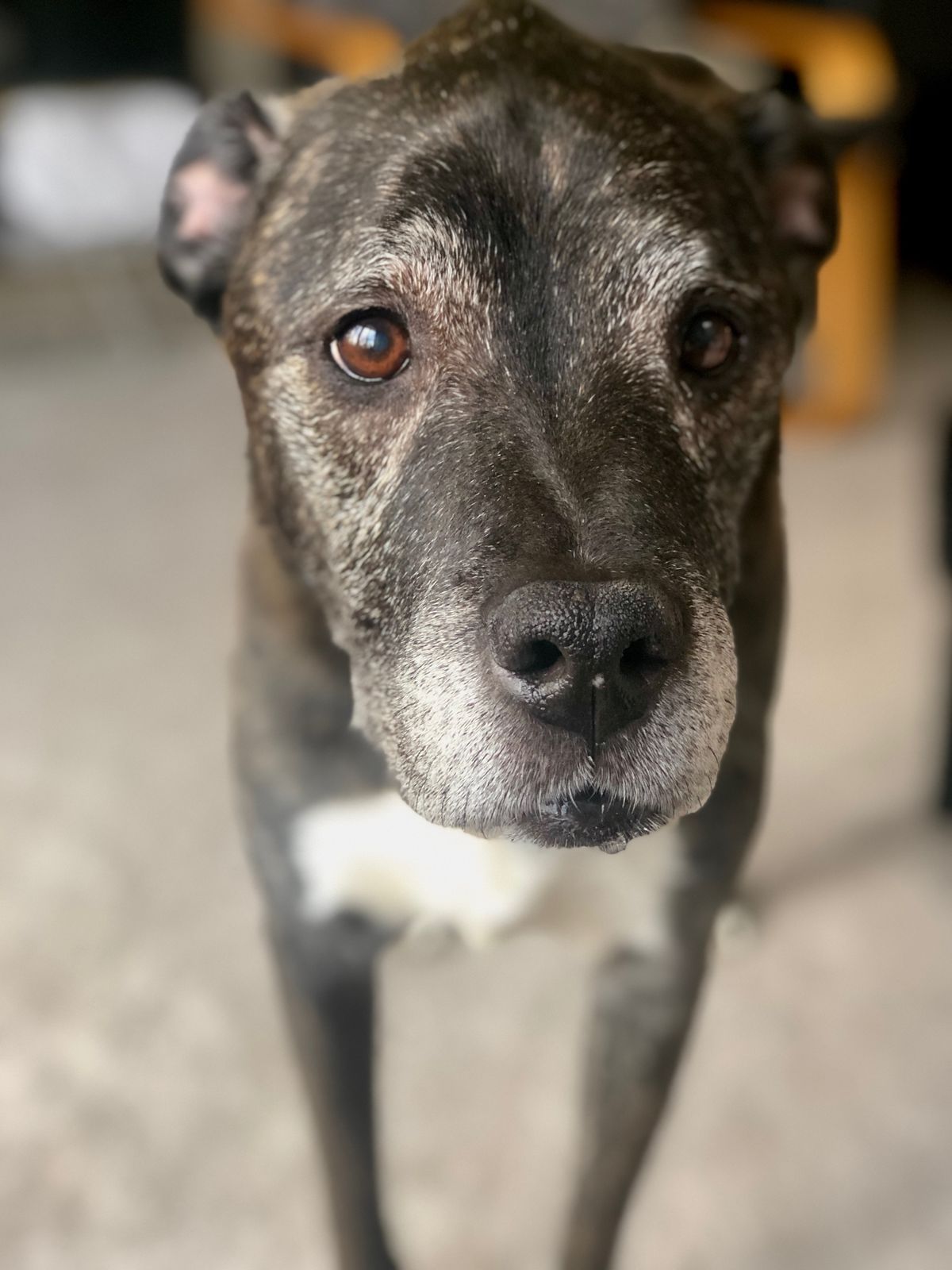
Noisy Breathing in Senior Dogs: Age-Related Causes

A number of age-related changes converge in senior dogs to make noisier breathing more common at this life stage, and while some causes are relatively benign, others benefit meaningfully from being caught and managed early.
Laryngeal paralysis is a condition seen predominantly in older, large-breed dogs (Labradors are particularly known for it), where the structures that open and close the airway during breathing weaken and don't function properly, producing a raspy or noisy breathing sound, especially with exertion or excitement, and sometimes progressing to actual breathing difficulty in more advanced cases. Weight gain, more common as activity naturally decreases with age, compounds any existing airway narrowing. Heart disease, more prevalent in senior dogs, can also contribute to noisier or more labored-sounding breathing as it progresses.
A gradual increase in breathing noise over months, particularly with exercise or excitement, especially in a large-breed senior dog, fits the laryngeal paralysis pattern and is worth a specific evaluation for that condition, since management options exist and matter more as the condition progresses.
What to do: Noisy breathing that's developed gradually in a senior dog is worth a dedicated vet visit rather than being written off as simply "getting older" — several of the underlying causes have real treatment or management options that improve quality of life meaningfully. Any sudden worsening, especially combined with distress, collapse, or blue-tinted gums, is an emergency requiring immediate care.
For the specific heart-related contribution to breathing changes in seniors, here's more on that connection.
Still have questions?
Don't rely on Google if your pet is showing symptoms. Get a professional opinion in minutes.
Talk to a Vet Now