Senior Dog Coughing: Why Age Changes the Picture
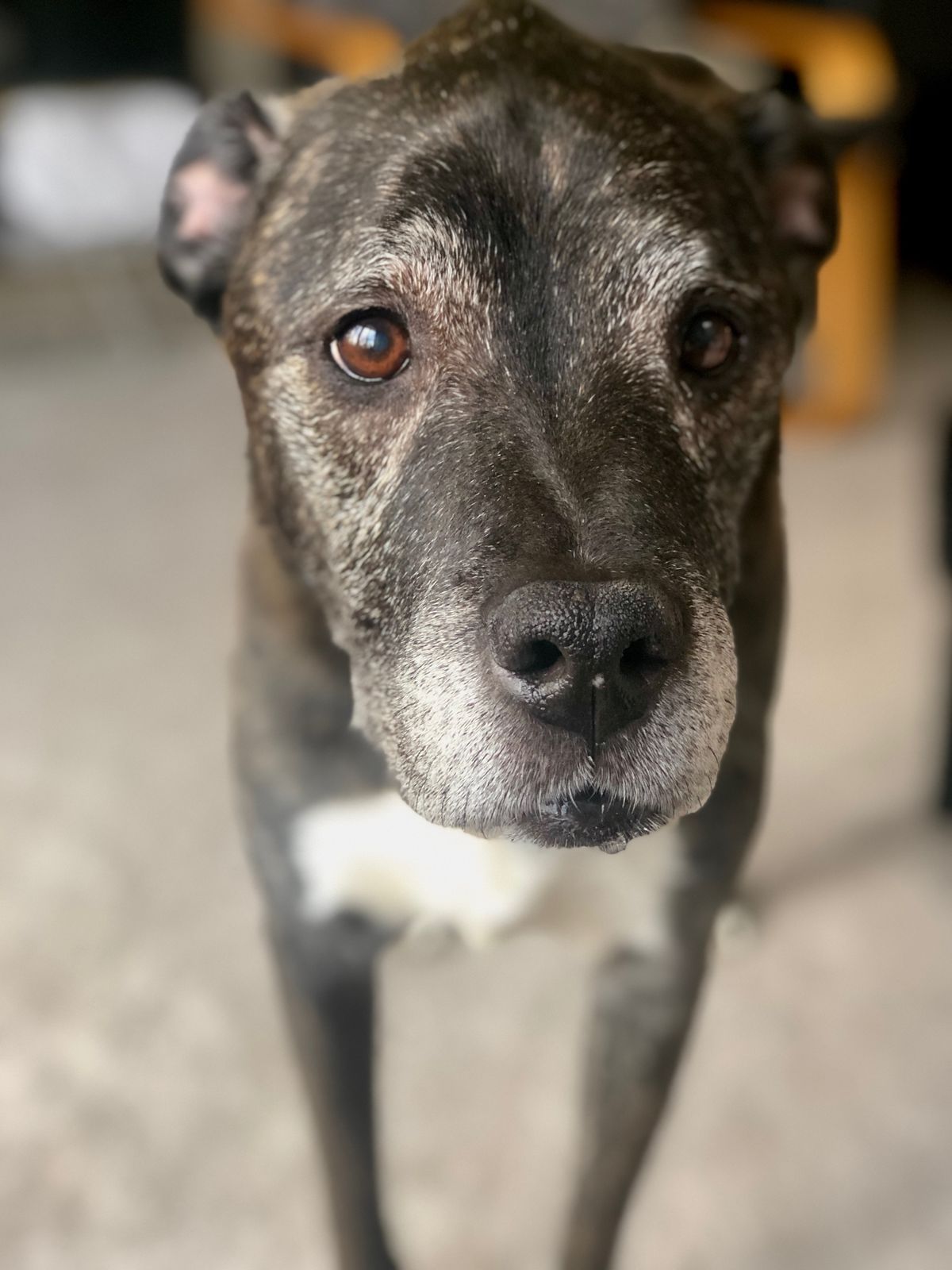
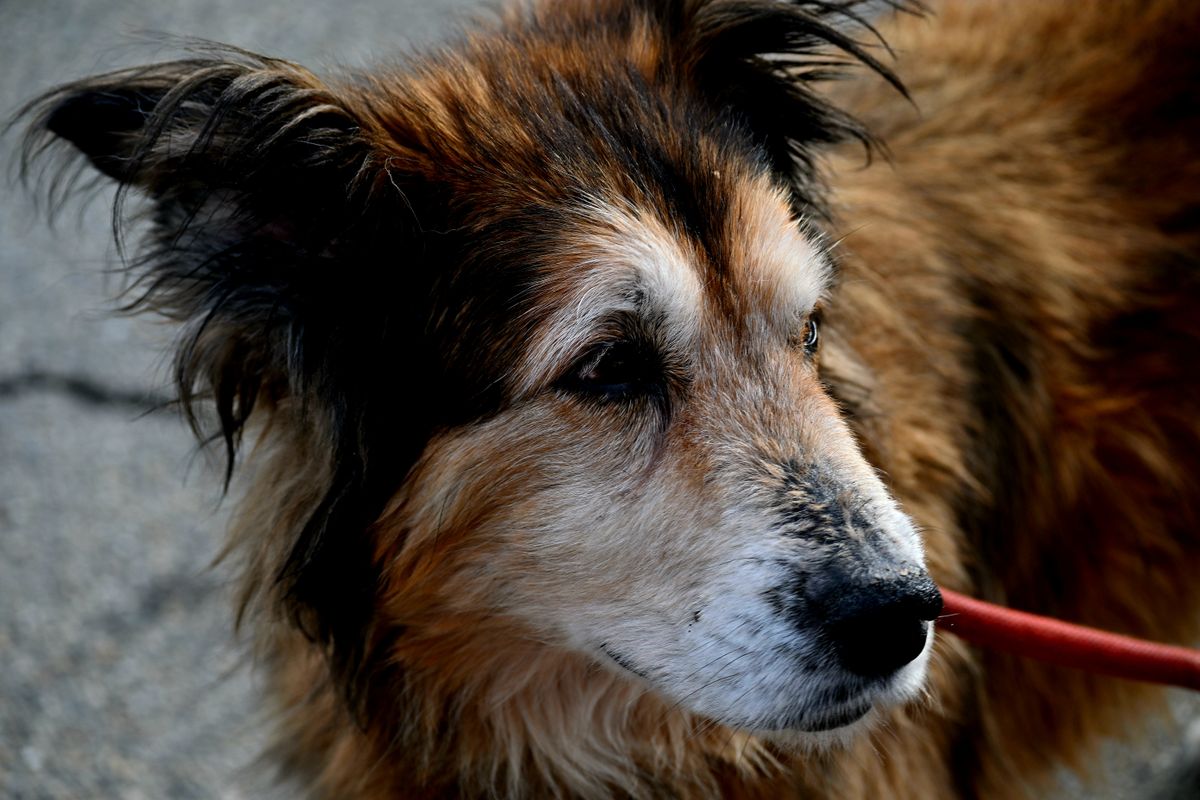
The list of likely causes shifts meaningfully in older dogs compared to younger ones. Where a young, socially active dog's cough is more often kennel cough from exposure to other dogs, an older dog's cough is more likely connected to heart disease, age-related changes to the trachea or airways (including collapsing trachea, which worsens with age in predisposed small breeds), or in some cases, tumors affecting the lungs or airway.
This doesn't mean every senior dog cough is serious — occasional mild coughing from minor irritation still happens at any age. But the baseline level of attention should be somewhat higher, and a persistent or new cough in a senior dog is generally worth a proper vet visit rather than extended home monitoring, given how many of the underlying causes at this age benefit significantly from earlier treatment.
Pay particular attention to a cough that's worse at night or after lying down (a heart disease pattern), a cough combined with reduced exercise tolerance or increased resting respiratory rate, or any cough accompanied by weight loss — this combination points toward something systemic rather than a simple throat irritation.
What to do: A new or persistent cough in a senior dog warrants a vet visit that includes listening to the heart and lungs and likely chest imaging, rather than waiting to see if it resolves on its own the way a younger dog's occasional cough might. Earlier detection of heart disease or other age-related conditions generally leads to better management outcomes.
For the specific heart-related pattern to watch for, here's a closer look at that connection.
Still have questions?
Don't rely on Google if your pet is showing symptoms. Get a professional opinion in minutes.
Talk to a Vet Now