Rabies Vaccine for Dogs: Schedule, Cost, and What to Expect
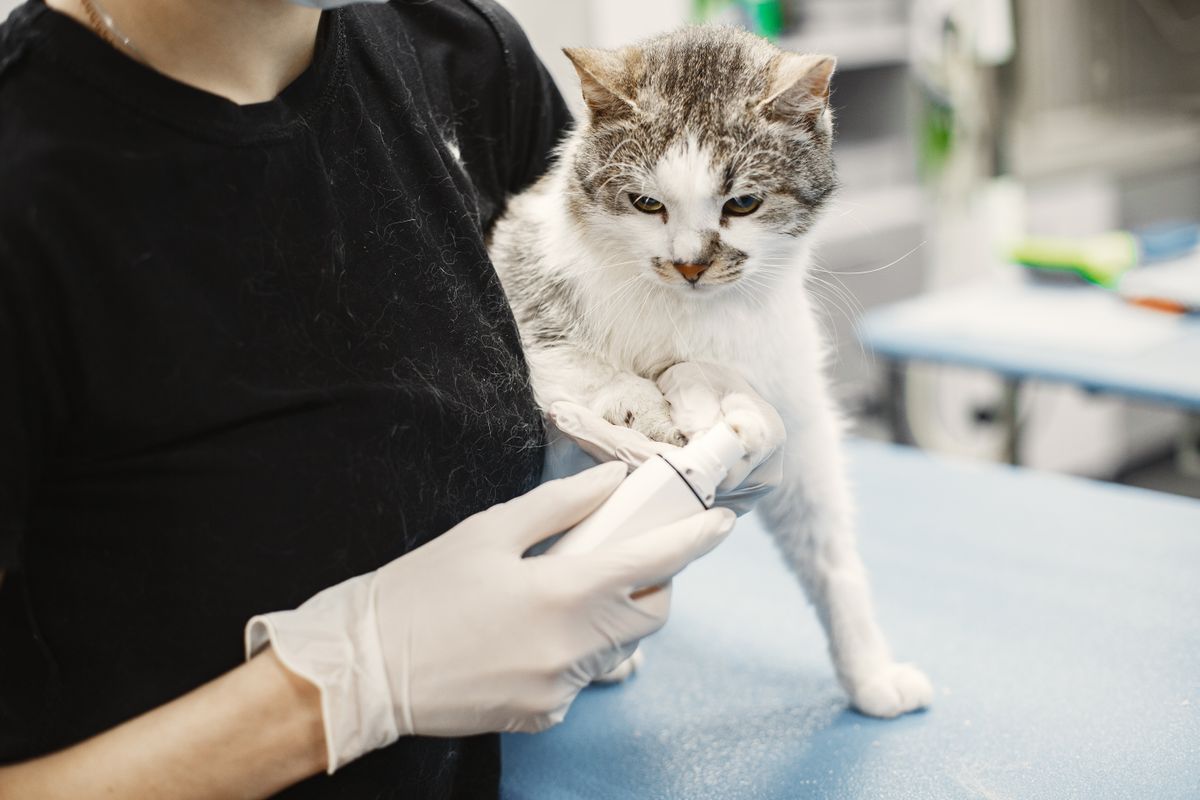
The rabies vaccine for dogs is a cornerstone of canine health, protecting pets and people from a deadly virus and helping communities stay safe. For most dogs, vaccination starts in puppyhood and continues with regular boosters to maintain protection. In addition to safety for individual animals, keeping up with rabies vaccines helps ensure compliance with local laws and supports public health by reducing the risk of spillover to wildlife and humans. If you’re ever unsure about timing or whether a clinic visit is needed, your veterinarian can tailor a plan based on your dog's age, health status, and lifestyle.
What is the rabies vaccine for dogs and how it works
Rabies vaccines for dogs are inactivated (killed) or recombinant vaccines that stimulate the immune system to recognize the rabies virus without causing disease. They are considered a core vaccine because rabies is fatal and can spread to people and wildlife. After vaccination, most dogs develop protective antibodies within two to four weeks, and the level of protection is maintained through ongoing boosters. The vaccine is highly effective when given on schedule and according to your local regulations.
Schedule and timing for the rabies vaccine for dogs
- Puppies typically receive their first dose at 12 to 16 weeks of age, followed by a booster one year later.
- After the initial series, many vaccines carry a label for either 1-year or 3-year booster intervals. The exact interval depends on the vaccine product used and local laws.
- If a dog has fallen behind on vaccination, a catch-up schedule is available through your veterinarian to re-establish protection.
- Adult dogs with an unknown vaccination history should be evaluated by a vet to determine the appropriate catch-up plan.
- Local and state regulations can differ, so check your community’s rabies vaccination requirements and keep your certificate in the same place as your other pet records.
Safety, side effects, and adverse events
- Common mild reactions:
- - Soreness or swelling at the injection site
- - Slight fever or lethargy for 24–48 hours
- - Decreased appetite for a short period
- Rare but important reactions:
- - Facial swelling, vomiting, hives, or difficulty breathing
- - Severe swelling or collapse (seek urgent care)
- Precautions:
- - If your dog has a history of severe vaccine reactions, inform your vet beforehand so they can tailor the approach.
- - Immediate attention is required if any signs of anaphylaxis occur after vaccination.
Cost and access
- Typical cost range: roughly $15–$35 per dose for the vaccine itself.
- Total visit cost can vary: some clinics charge a separate exam fee or office visit, while others include it in the vaccination visit.
- Factors that affect price:
- - Geographic region
- - Whether a microchip or other services are included
- - Whether the appointment is at a low-cost clinic or a standard veterinary practice
- Payment options:
- - Many clinics offer payment plans, discounts for multi-pet households, or community vaccination events.
What to expect at the vaccination visit
- Before the shot:
- - Bring your dog’s vaccination history and any medical records.
- - A quick health check ensures your dog is well enough for vaccination.
- During the visit:
- - The vaccine is usually given intramuscularly in the leg (the exact site may depend on the brand).
- - You’ll typically receive a rabies certificate and updated records.
- After the shot:
- - Dogs are observed for 15–30 minutes for any immediate reactions.
- - A few hours of rest and monitoring at home is common; avoid strenuous exercise for the day.
- Tips to reduce anxiety:
- - Bring a familiar blanket or toy.
- - Use calm, gentle handling and reward-based training to keep the visit positive.
Aftercare and monitoring
- Monitor for:
- - Local soreness, mild swelling, or slight tiredness
- - Appetite changes or reluctance to move for a day
- Seek care if:
- - Swelling extends beyond the injection site significantly
- - Your dog experiences vomiting, facial swelling, difficulty breathing, or collapse
- - There is a persistent fever or lethargy beyond 24–48 hours
- Ongoing protection:
- - Maintain the recommended booster schedule to keep immunity strong
- - Update your dog’s records after each vaccination and store them in a safe place
- Related topics you might explore later:
- - Lyme disease in dogs
- - Cat diarrhea
- - Cat coughing
- - Dog ear infection treatment
CTA: If you want professional guidance quickly, Waggle Vet offers online vet consultations to review your dog’s vaccination history, discuss the best booster plan, and answer any questions you have about the rabies vaccine for dogs. Our licensed veterinarians can help you tailor a schedule to your pet’s age, health, and lifestyle.
Conclusion
Staying on track with the rabies vaccine for dogs is a simple, proactive step that protects your pet and your community. By understanding the schedule, cost ranges, and what to expect at the clinic, you can plan ahead and keep your dog comfortably protected. If you have concerns about timing, possible side effects, or how the booster fits into your family’s routine, a quick online consult can provide personalized guidance.
Frequently Asked Questions
How often should my dog get the rabies vaccine?
Most dogs receive either a 1-year or a 3-year booster after the initial puppy series. The exact interval depends on the vaccine brand and local laws. Always follow your veterinarian’s advice and keep the vaccination certificate accessible for proof of immunity.
Is the rabies vaccine required by law?
In the United States, most states require rabies vaccination for dogs, and many municipalities have additional regulations. Requirements vary by location and dog risk factors, so check with your local animal control or your veterinarian to stay compliant.
Can my dog be vaccinated if they are sick or recovering from an illness?
Vaccination should generally be postponed if a dog is acutely ill or stressed, but mild, stable conditions may not delay vaccination. Always consult your veterinarian if your pet has an ongoing illness or fever.
What are common side effects, and when should I worry?
Common side effects include soreness at the injection site, mild fever, and sleepiness for 24–48 hours. Seek care if you notice facial swelling, vomiting, difficulty breathing, or signs of anaphylaxis soon after vaccination.
I missed my dog’s appointment. What should I do?
Contact your vet as soon as possible to arrange a catch-up plan that fits your dog’s health status and local requirements. If you have questions in the meantime, a waggle Vet online consult can help you map out the next steps and share a personalized vaccination schedule.
Still have questions?
Don't rely on Google if your pet is showing symptoms. Get a professional opinion in minutes.
Talk to a Vet Now