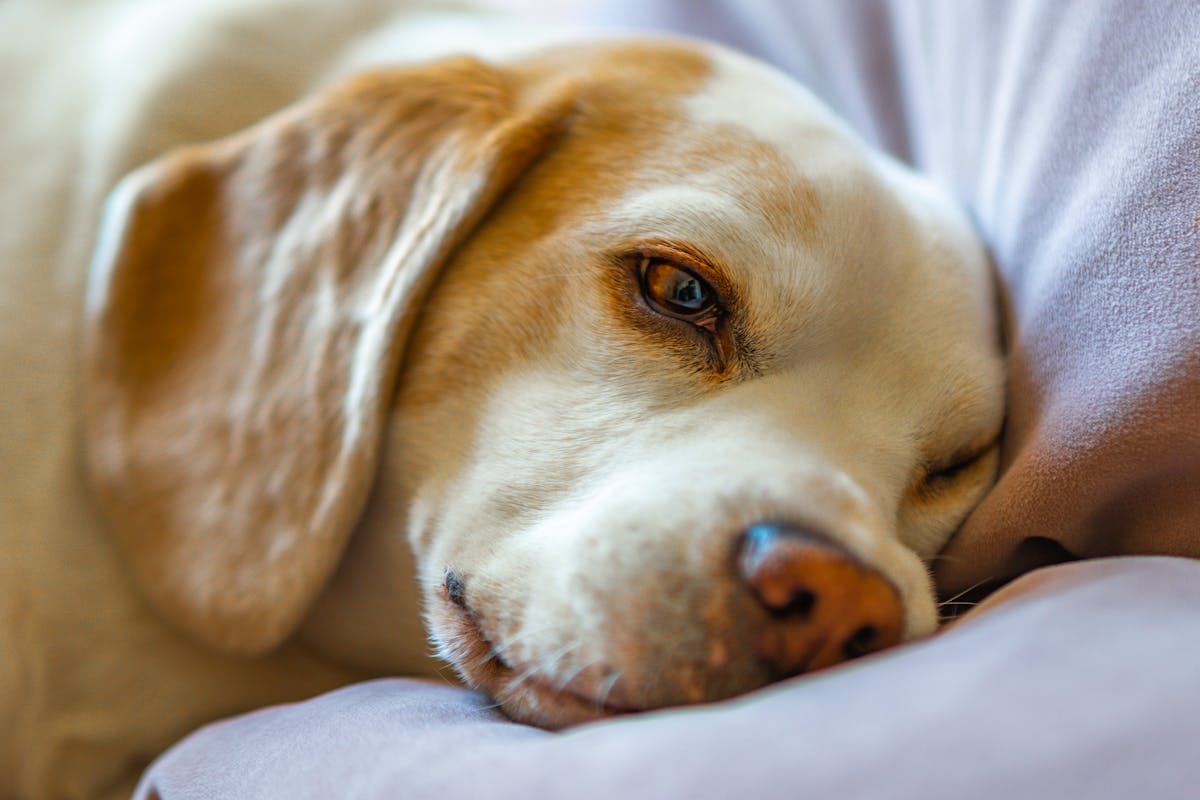
Dog Panting Excessively Without Exercise or Heat: What It Means
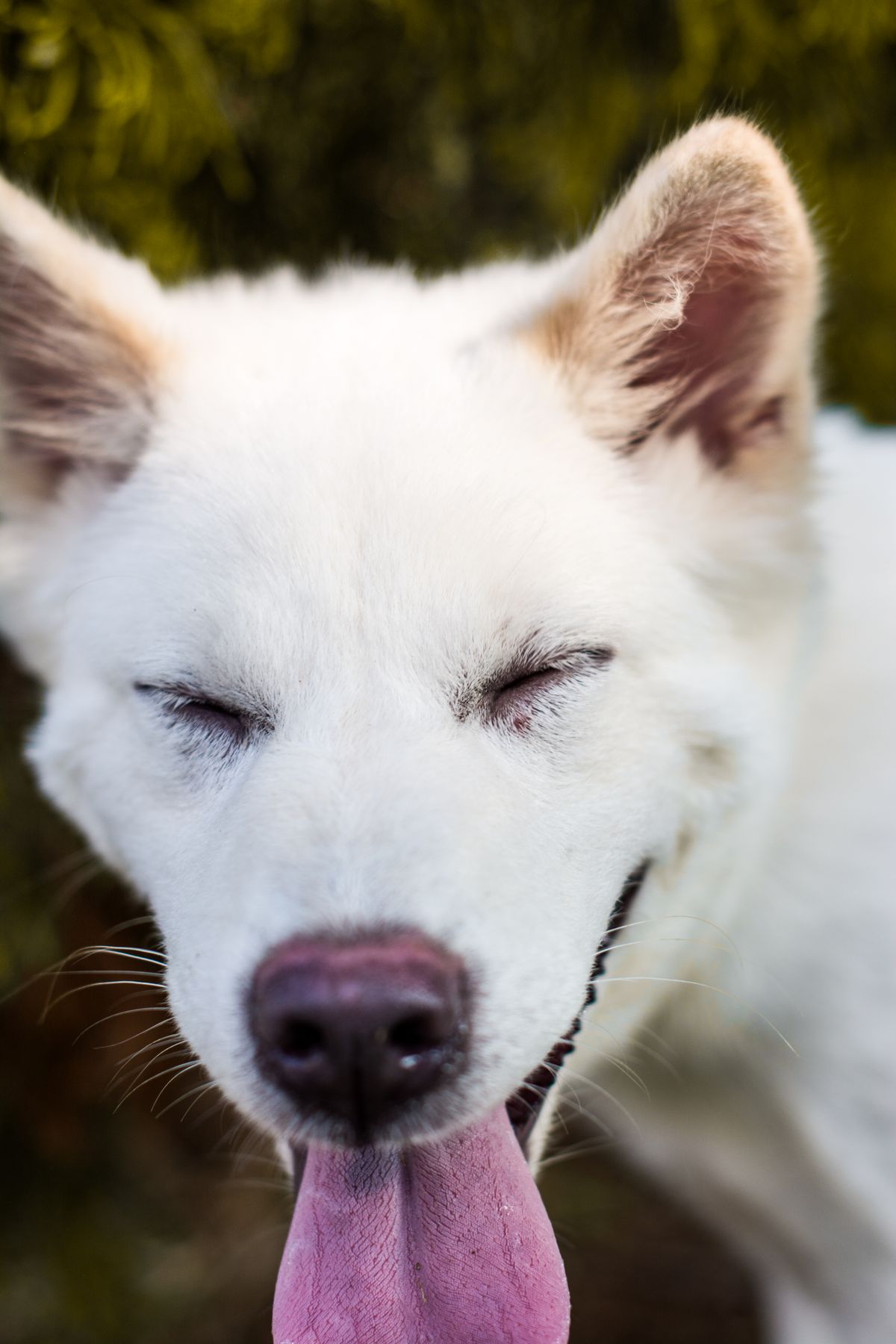
Panting is a dog's primary cooling mechanism, and it's completely normal after exercise, in warm weather, or during excitement. Panting that shows up with none of these obvious triggers — a dog resting comfortably in a cool room who suddenly starts panting heavily — is a different situation and worth thinking through rather than dismissing.
Pain is one of the more common overlooked causes of unexplained panting; dogs experiencing discomfort from an injury, abdominal pain, or a chronic condition flare-up often pant as a physical response to that discomfort, sometimes before showing more obvious signs of pain like limping or vocalizing. Anxiety and stress (thunderstorms, fireworks, separation, a stressful car ride) also commonly produce panting without a temperature or exercise trigger. Certain medical conditions, including Cushing's disease (more common in older dogs), heart or lung issues, and in some cases early heatstroke even in a seemingly cool environment (if a dog was recently in a hotter space), can all present with unexplained panting.
The context around the panting often gives clues — a specific recent stressor points toward anxiety, a dog also showing reluctance to move or a hunched posture points toward pain, and gradual onset without clear triggers over time points more toward a medical cause worth investigating.
What to do: For panting tied to an identifiable stressor (a storm, fireworks, a stressful event) that resolves once the stressor passes, this is a normal anxiety response and doesn't need urgent action, though ongoing anxiety is worth addressing separately. Panting with no identifiable trigger, especially if it persists, recurs, or comes with other symptoms like restlessness or reluctance to lie down, warrants a vet visit to check for pain or an underlying medical cause.
For the specific pain-related posture and signs to watch for, here's a closer look.
Still have questions?
Don't rely on Google if your pet is showing symptoms. Get a professional opinion in minutes.
Talk to a Vet Now