Dog Grooming Tips: A Vet's Guide to At-Home Care
Dr. Mark Thorne, DVM•September 15, 2024•5 min read
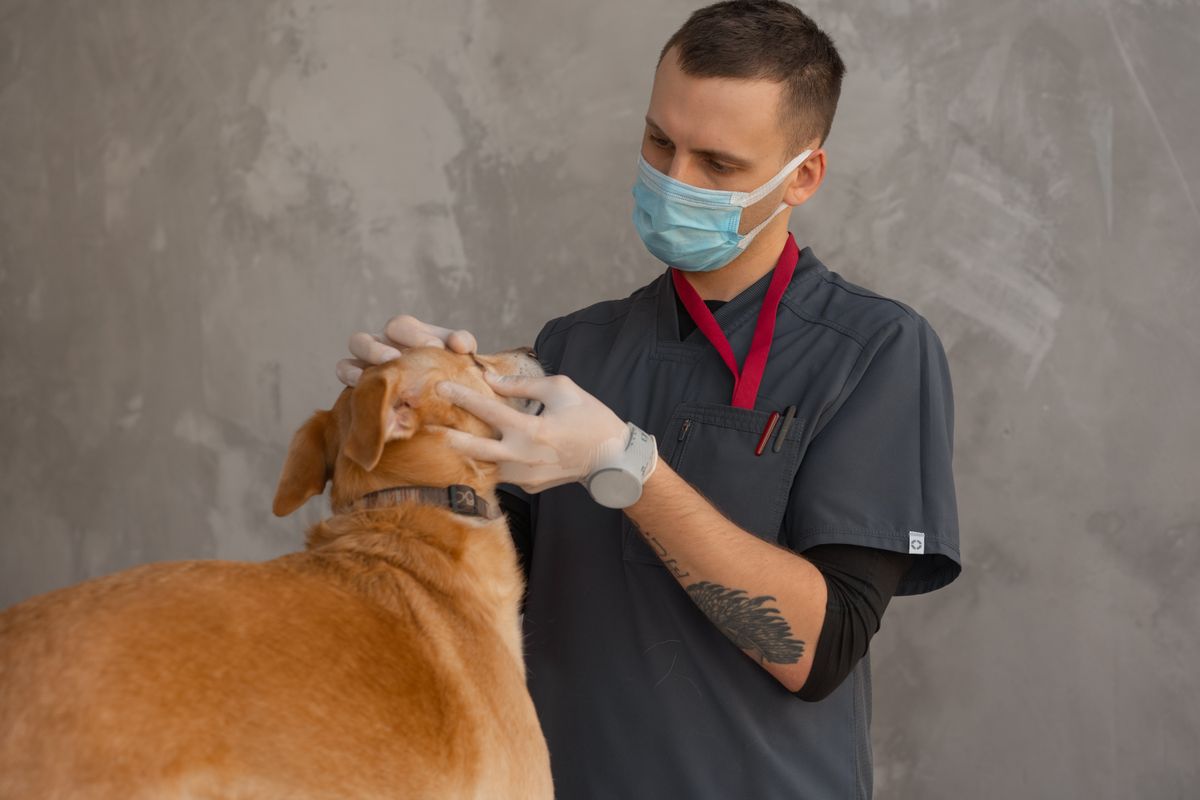
Regular at-home dog grooming tips support a healthy coat, skin, and overall well-being for most dogs. Grooming isn’t just about looks—it's a preventive health habit that helps you spot lumps, parasites, and skin irritation early. With a calm routine, your dog can stay comfortable, confident, and less stressed during grooming sessions.
Essential dog grooming tips for at-home care
Coat and skin care basics - Brush frequency depends on coat type: long-haired breeds often need daily brushing; short-haired dogs may only need a few times a week. - Look for red, flaky, or oily patches, dandruff, or areas that feel warm to the touch. These can signal skin problems or allergies. - Use a brush that suits your dog’s coat to reduce matting and skin irritation. For sensitive skin, choose a soft brush and avoid over-brushing. - Bathing should be done with a dog-specific shampoo, not human products, and never too often—over-bathing can strip natural oils.
Nail care - Trim nails regularly to prevent cracking and painful walking. Frequency varies with activity and growth, but many dogs need trims every 3–6 weeks. - If you hear the nails tapping on the floor, it’s usually time for a trim. Avoid cutting into the quick (the pinkish innermost area) to prevent bleeding. - Have styptic powder handy in case of a minor nick, and reward your dog after a successful session to build positive associations.
Bathing and brushing routines - Prepare a calm grooming space: non-slip mat, a leash or harness, towels, and dog-safe shampoo. - Before washing, thoroughly brush to remove loose hair and prevent matting in the bath. - Wet the coat with lukewarm water, lather gently, avoiding eyes, ears, and inside the ear canal. Rinse completely to prevent residue that can irritate skin. - Towel-dry first, then use a low-heat dryer or continue air-drying. Brushing as the coat dries helps minimize tangles and mats.
Ear, eye, and dental hygiene - Ears: check weekly for redness, odor, or discharge. Clean the outer ear with a dog-safe ear cleaner; avoid inserting cotton swabs into the ear canal. - Eyes: wipe away discharge with a damp cloth. If you notice persistent redness or swelling, seek advice. - Teeth: brush with canine toothpaste daily when possible. Dental care supports breath, gum health, and overall comfort.
Seasonal care and safety - Summer: provide shade and fresh water; check for heat stress during grooming and avoid lengthy sessions in hot weather. - Winter: dry air can affect coats and skin—consider humidifying and using a mild conditioner if your dog tolerates it. - Parasite prevention stays essential year-round. Regular grooming gives you a chance to notice fleas, ticks, or skin irritations early.
When to seek professional help - If you encounter persistent skin infections, severe matting, or a dog that becomes extremely stressed during grooming. - If a bite risk or aggression emerges during grooming sessions. - If you see lumps, swelling, or unusual changes in coat color or texture that don’t improve with routine care.
Tools and setup - A sturdy brush appropriate for your dog’s coat, a metal comb for undercoat, and dog-safe shampoo. - Nail clippers or a grinder designed for pets; keep styptic powder within reach. - Ear cleaner, cotton balls (for outer cleaning only), towel, and a grooming surface with non-slip backing. - A calm, distraction-friendly environment and a few tasty treats to reward progress.
Related reads: blood-in-dog-stool, flea-treatment-for-dogs, dog-fleas, why-is-my-cat-throwing-up
Practical at-home routines you can start this week - Create a 10–15 minute daily brushing routine for coat maintenance and bonding. - Establish a weekly or biweekly bath cadence based on coat type and activities. - Schedule a monthly nail-check and trim, adjusting frequency as needed. - Do a quick 2-minute ear check after baths and during grooming to catch early issues.
Related reads - blood-in-dog-stool - flea-treatment-for-dogs - dog-fleas - why-is-my-cat-throwing-up
Conclusion Sticking with consistent, gentle dog grooming tips creates a healthier, happier pet and provides a reliable way to monitor your dog’s overall health. By combining coat care, nail maintenance, bathing basics, and safe handling, you build a trusted routine that supports long-term wellness and reduces the risk of hidden problems. Remember, grooming is as much about comfort and trust as it is about cleanliness, so keep sessions short, positive, and tailored to your dog’s needs. If you ever have concerns or notice new symptoms during grooming, don’t hesitate to reach out for guidance.
Frequently Asked Questions
How often should I groom my dog at home? Frequency depends on coat type, lifestyle, and health. Brushing daily or several times a week helps with shedding and skin checks, while nails may need trimming every 3–6 weeks. Bathing frequency should be limited to what your dog’s skin and coat tolerate and should use a dog-safe shampoo.
Is it safe to trim my dog’s nails at home? Yes, with care. Use the proper nail clippers, trim small amounts, and avoid the quick. If you see excessive bleeding, apply styptic powder and contact your veterinarian if you’re unsure or uncomfortable.
What should I do if my dog hates baths? Keep baths short and positive, start with a sponge bath for acclimation, use warm water, and offer treats and praise. Gradually increase bath time and exposure as your dog becomes more comfortable.
How can I tell if my dog's coat is healthy? Healthy coats are smooth, glossy, and free of excessive shedding or flakes. Look for even color, no persistent redness or itching, and no unusual hair loss or lumps under the skin.
When should I seek professional grooming or veterinary help? If you notice persistent skin infections, severe matting that’s hard to remove, aggressive behavior during grooming, or unusual lumps, seek veterinary advice. A professional groomer can also assist with difficult coats or sensitive dogs, and a vet can evaluate potential skin or systemic issues.
Still have questions?
Don't rely on Google if your pet is showing symptoms. Get a professional opinion in minutes.
Talk to a Vet Now