Why Is My Cat Throwing Up? Causes and When It's Serious
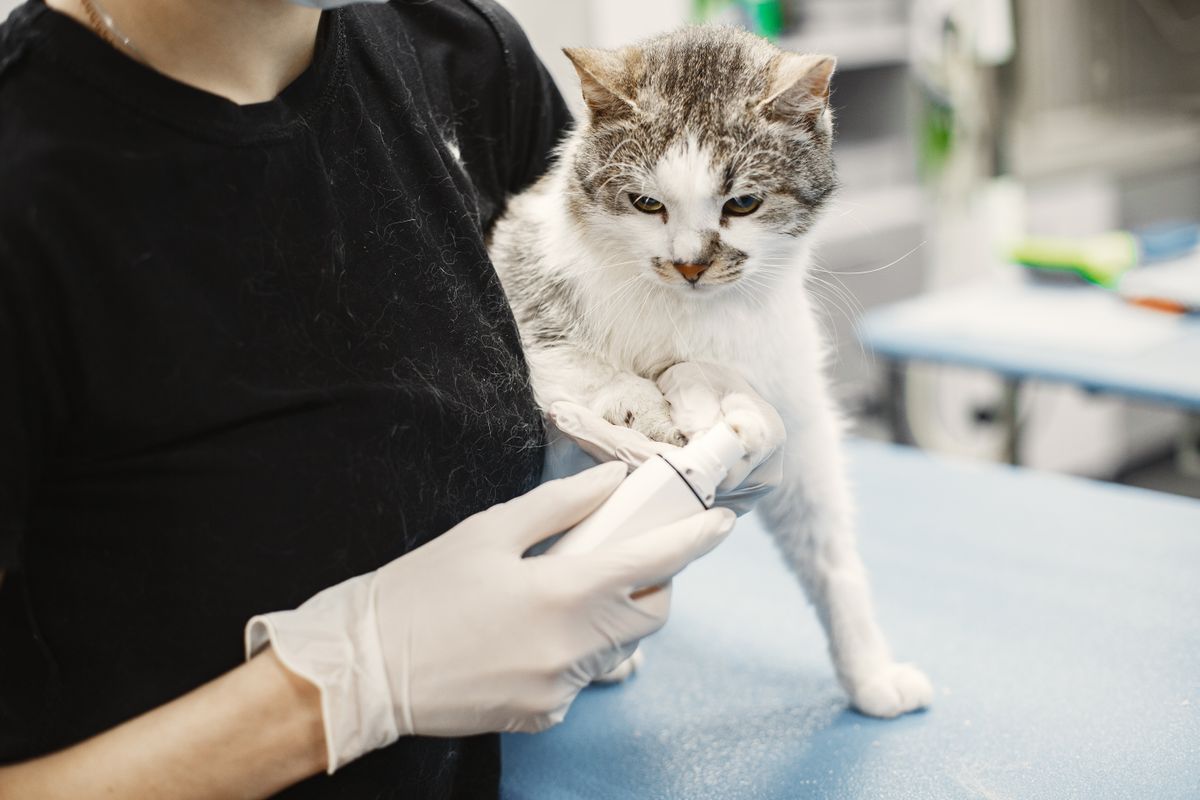
Vomiting is a common concern for cat owners, but understanding the reasons behind it helps you choose sensible steps—whether it’s simple stomach upset or a sign of something more serious. When you ask yourself, why is my cat throwing up, you’re gathering clues about your pet’s wellbeing and what to watch for next. Most episodes are brief and manageable, but some underlying issues require veterinary evaluation to prevent dehydration or further complications.
Common causes of vomiting in cats and answering why is my cat throwing up
- Dietary indiscretion or rapid eating
- - Swallowing food too quickly or indulging on leftovers can trigger temporary vomiting.
- Hairballs (trichobezoars)
- - Regular grooming can shed hair that forms a hairball and irritates the stomach.
- Gastroenteritis and food intolerance
- - A stomach or intestinal upset from a changed diet, spoiled food, or a food intolerance can cause vomiting.
- Inflammatory bowel disease
- - Chronic gut inflammation leads to intermittent vomiting and other signs like weight loss.
- Pancreatitis
- - Inflammation of the pancreas often presents with vomiting, abdominal pain, and lethargy.
- Kidney or liver disease
- - Metabolic disorders can cause vomiting as a secondary symptom, especially in older cats.
- Infections and parasites
- - Bacterial, viral, or parasitic infections, including Toxoplasma or Giardia, may trigger emesis.
- Toxins and plants
- - Lilies are especially dangerous for cats; other household toxins and some human medications can provoke vomiting.
- Obstruction or foreign body
- - Ingested objects blocking the stomach or intestine require prompt veterinary care.
- Stress and motion sickness
- - Short-term stress or carriage-induced vomiting can occur, particularly in anxious or traveling cats.
If you’re wondering why is my cat throwing up, look for patterns: does it happen after meals, after hair brushing, or during episodes of stress? noting timing and accompanying signs helps with your vet visit.
When vomiting becomes a red flag: red flags to watch for
- Vomiting that lasts more than 24 hours or recurs frequently
- Blood in vomit or dark, tarry vomit
- Lethargy, severe weakness, or collapse
- Refusal to eat or drink, or signs of dehydration (dry gums, sunken eyes)
- Rapid or labored breathing, pale gums, or persistent fever
- Abdominal tenderness or a swollen abdomen
- Repeated vomiting after a known toxin exposure or after ingesting suspicious substances
If any of these red flags appear, seek veterinary care promptly. A telemedicine visit can help decide whether in-person assessment is needed, especially if access to emergency care is limited. For pet parents who manage care across species, these patterns also remind us that dogs and cats may share some causes, but cats often hide symptoms until they’re more advanced.
What you can do at home to support a vomiting cat
- Withhold food briefly
- - A 12- to 24-hour fasting period (with continuous access to water) can give the stomach a chance to settle.
- Offer small, bland meals
- - After the fast, feed small amounts of a bland diet such as boiled chicken and white rice or a vet-approved gastrointestinal diet. Reintroduce food gradually over 2–3 days.
- Hydration is essential
- - Offer fresh water frequently; consider an electrolyte solution formulated for pets if your cat is reluctant to drink. If dehydration signs are present, contact your veterinarian.
- Avoid dairy and fatty human foods
- - Most cats don’t tolerate dairy well, and high-fat foods can worsen vomiting.
- Monitor litter box and behavior
- - Track appetite, energy, stool consistency, and any new symptoms.
- Check the environment for toxins
- - Remove lilies, certain houseplants, and nonfood items that could be ingested, and ensure medications are out of reach.
- Hairball management
- - Regular brushing and hairball products approved by your vet can help reduce hairball-related vomiting.
Related topics on Waggle Vet you may find helpful include guides on dog health topics, such as dog-ear-mites and dog-constipation, or grooming tips that support overall comfort and care: dog-ear-mites, blood-in-dog-stool, dog-constipation, dog-grooming-tips.
How veterinarians diagnose the cause of vomiting
- History and physical examination
- - Your vet will ask about appetite, overall behavior, recent meals, exposure to toxins, and any other symptoms.
- Basic tests
- - Blood work, urine analysis, and a fecal test can reveal dehydration, infection, or organ disease.
- Imaging
- - Abdominal ultrasound or radiographs help identify obstructions, pancreatitis, or inflammatory processes.
- Specific diagnostics
- - In some cases, endoscopy or exploratory procedures may be needed to obtain tissue samples or locate obstructions.
Treatment decisions depend on the underlying cause. Some cats respond quickly to dietary changes and supportive care, while others require medications, substrate management, or referral to a veterinary specialist.
Prevention and ongoing care
- Maintain a stable, appropriate diet
- - Choose a high-quality, cat-friendly diet and avoid abrupt changes. If your cat has a sensitive stomach, work with your vet to select a suitable formula.
- Regular grooming and hydration
- - Gentle brushing reduces hair ingestion, and ensuring consistent water intake supports gut health.
- Monitor chronic conditions
- - If your cat has known kidney, liver, or gastrointestinal disease, follow the vet’s plan for monitoring, medications, and nutrition.
- Keep toxins out of reach
- - Be mindful of lilies, certain plants, medications, and foods that are dangerous for cats.
- Recognize patterns and seek timely help
- - Recurrent vomiting over weeks or months warrants a veterinary assessment to prevent dehydration and malnutrition.
Conclusion: why is my cat throwing up is not a single question with a single answer. It’s a signal that your cat’s stomach and gut are reacting to something—whether minor or serious. By observing timing, accompanying signs, and appetite, you can distinguish simple dietary issues from more complex disease and decide when to seek veterinary care. If vomiting continues, or you notice red flags, contact your veterinarian promptly. Early evaluation improves comfort and outcomes, and you’ll feel more confident in keeping your feline friend healthy and happy.
Frequently Asked Questions
What are common causes of vomiting in cats? Common causes include dietary indiscretion, hairballs, food intolerance or intolerance to a new diet, gastroenteritis, inflammatory bowel disease, pancreatitis, kidney or liver disease, infections, toxins, and less commonly an intestinal obstruction or inflammatory conditions.
When should I worry and call a vet? Call your vet if vomiting lasts more than 24 hours, is persistent, or is accompanied by signs such as lethargy, refusal to drink, blood in vomit, pale gums, abdominal pain, or dehydration.
Can I use home remedies for vomiting? Short-term, gentle management (withholding food briefly and offering bland, easily digestible meals) is sometimes appropriate for minor episodes. Do not give human medications or home remedies without veterinary guidance, as many can be dangerous for cats.
How do vets diagnose the cause of vomiting? Vets use a combination of medical history, physical exam, blood tests, urine tests, fecal tests, and imaging like ultrasound or x-rays. In some cases, more advanced tests or endoscopy may be needed.
Will my cat recover from vomiting? Many cats recover with appropriate care, especially for simple causes like dietary issues or hairballs. Some conditions require longer treatment and ongoing management, so follow-up with your veterinarian is important for the best outcome.
Still have questions?
Don't rely on Google if your pet is showing symptoms. Get a professional opinion in minutes.
Talk to a Vet Now