Dog Constipation: Causes, Home Remedies, and Vet Solutions
Dog constipation is a common health concern that pet parents encounter at one time or another. It describes infrequent, hard stools or difficulty passing feces, which can be uncomfortable for your dog. Normal bowel habits vary by breed, age, and diet, but persistent changes warrant attention. Understanding the basics helps you spot problems early and know when to seek professional help. This guide covers likely causes, safe home remedies, and veterinary strategies to restore comfortable, regular elimination.
What is dog constipation and how is it diagnosed?
Constipation occurs when the stools are dry, hard, or difficult to pass, or when elimination is infrequent. Slowed intestinal motility or a partial/complete obstruction can underlie this condition. Diagnosis is based on history, a physical examination, and assessment of stool consistency and abdominal tenderness. In many cases, your veterinarian will recommend imaging (such as X-rays or ultrasound) and blood work to rule out dehydration or an underlying disease.
Symptoms of dog constipation
- Straining or vocalizing while trying to defecate
- Fewer than normal bowel movements for several days
- Dry, hard, small, or pellet-like stools
- Raw or irritated perianal area from straining
- Decreased appetite, lethargy, or mild abdominal distension
- Vomiting or signs of abdominal pain in more severe cases
If you notice any red flags such as repeated vomiting, dehydration, a firm distended belly, or inability to pass stool for more than 24–48 hours, seek veterinary care promptly. For dogs with ongoing issues, it can be helpful to review related concerns like digestive health, hydration, and bowel movements alongside other clean-cut topics in our wellness library, such as dog-eye-infection and other routine care guides.
Common causes of dog constipation
- Inadequate hydration or very dry food
- Low fiber intake or sudden diet changes
- Obstructions from ingestion of non-food objects, hair, or bones
- Slowed gut motility due to age, obesity, or neuromuscular issues
- Medication effects (opioids, certain antidepressants, or anticholinergics)
- Medical conditions such as hypothyroidism, diabetes, kidney disease, or megacolon
- Anal sac disease or pain in the hind end that discourages normal defecation
Recognizing the potential cause helps guide whether home care is appropriate or if urgent veterinary evaluation is needed. If a recent diet change or dehydration seems like the culprit, you may also want to review related care topics such as hydration strategies and fiber adjustments.
Home remedies and management (with veterinary guidance)
These steps can help many dogs with mild, non-obstructive constipation. Always check with your veterinarian before starting new supplements or laxatives, especially for puppies, senior dogs, or dogs with chronic conditions.
- Improve hydration
- - Offer fresh water, and consider adding water to meals or using broth (no onions or garlic).
- - Wet or semi-moist foods can help increase water intake.
- Add safe fiber sources
- - Plain canned pumpkin (not pie filling) or pureed pumpkin can aid stool softness; start with small amounts and monitor stool changes.
- - Psyllium husk or canned bran is sometimes recommended; use only with veterinary guidance for dosing.
- Gentle activity and routine
- - Encourage short, frequent walks to boost GI motility.
- - Maintain a regular bathroom schedule and provide easy access to a quiet, comfortable spot.
- Diet and portion management
- - Maintain a consistent, high-quality diet and avoid abrupt changes.
- - If your dog is overweight, gradual weight reduction can improve bowel function.
- Caution with laxatives and supplements
- - Do not administer human laxatives or oils (such as mineral oil) without veterinary direction.
- - Do not rely on home remedies beyond recommended fiber or hydration adjustments for more than 24–48 hours.
- Monitor stool and symptoms
- - Keep a simple diary of stool frequency, consistency, and any associated symptoms to share with your vet.
- When to avoid home remedies
- - If there is abdominal pain, vomiting, blood in stool, distension, or signs of obstruction, seek veterinary care immediately.
If you’re curious about broader pet health topics while you’re caring for your dog, you can explore related posts on our site, including dog-eye-infection and other routine care guides such as why-is-my-cat-throwing-up for cross-reference.
When to see a veterinarian
- Red flags: vomiting, persistent loss of appetite, dehydration, abdominal distension, or inability to pass stool after 24–48 hours
- Puppies or senior dogs require closer monitoring due to higher risk of dehydration or underlying disease
- If you recently started a new diet or treatment and constipation persists, veterinary input is essential
Veterinarians may recommend diagnostic tests to identify underlying issues and tailor treatment. In some cases, constipation is a sign of a more serious problem, such as an intestinal blockage or impaired motility, which needs professional management.
What to expect at the vet
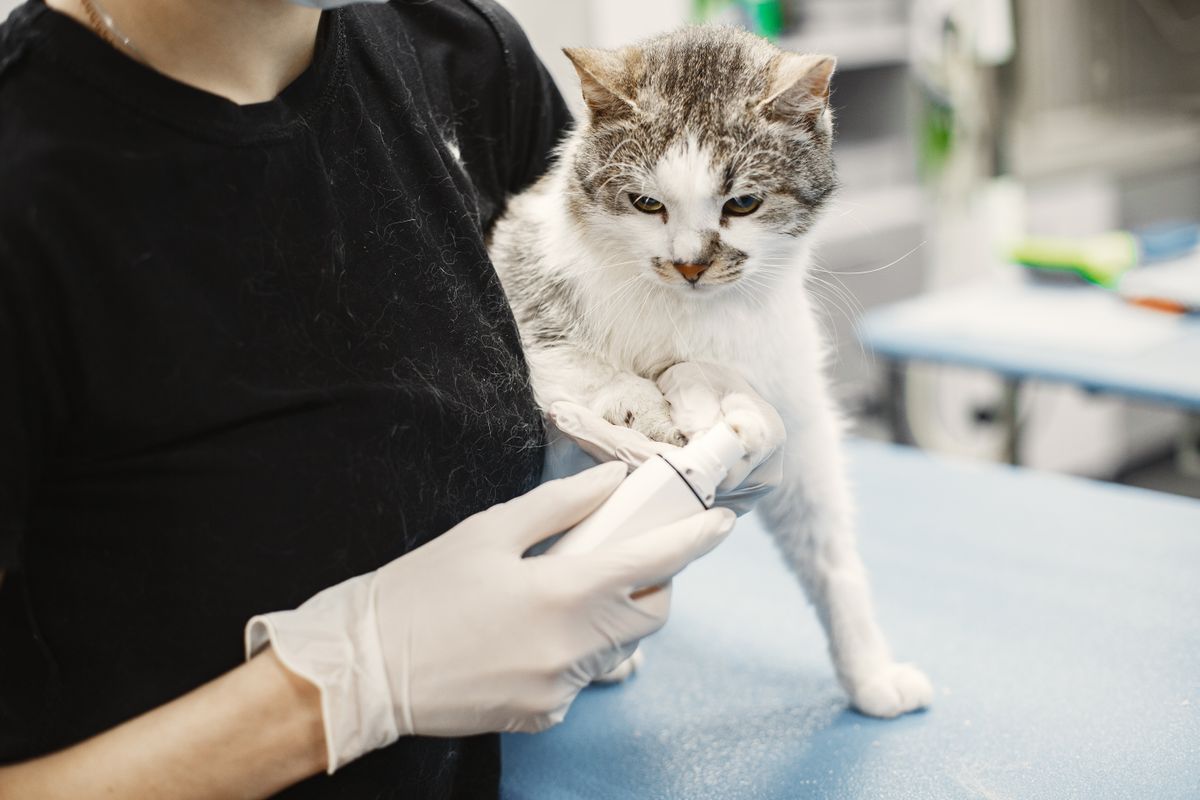
- Physical examination focusing on hydration status, abdominal palpation, and rectal examination
- Imaging (X-ray or ultrasound) to assess stool burden and rule out obstructions
- Blood work to check hydration, organ function, and endocrine causes
- Treatment options:
- - Subcutaneous or intravenous fluids to correct dehydration
- - Enemas or laxatives administered under supervision for safe stool softening and evacuation
- - Appetite-stimulating measures or antiemetics if vomiting is present
- - Long-term management plans, including diet, fiber, hydration, and exercise
- Long-term strategies to prevent recurrence
- - Consistent hydration, balanced fiber intake, and routine exercise
- - Regular veterinary checkups, especially for dogs with chronic GI issues or megacolon risk
Conclusion
Constipation in dogs can often be managed effectively with supportive care, careful monitoring, and timely veterinary guidance. Prioritizing hydration, a consistent diet, and regular activity helps maintain healthy bowel movements and comfort. If constipation persists or you notice worrisome signs, reach out to your veterinary team — they can identify underlying causes and tailor a safe, evidence-based treatment plan. For ongoing digestive health references, consider our broader pet care resources and conversations with your vet about dog constipation and related topics.
Frequently Asked Questions
How serious is dog constipation? Most cases are mild and respond to hydration, fiber, and activity changes. However, persistent constipation or symptoms like vomiting, abdominal pain, or distension can indicate a more serious issue that requires veterinary care.
Is pumpkin good for dog constipation? Plain canned pumpkin can soften stools for some dogs when used in moderation. Start with small amounts and monitor stool response, and consult your veterinarian before adding it as a long-term remedy, especially for dogs with diabetes or obesity.
Can I give my dog human laxatives? No. Human laxatives can be dangerous for dogs and may cause severe dehydration, electrolyte imbalances, or obstruction. Only use medications prescribed by your veterinarian.
How long does it take to relieve constipation in dogs? Mild, diet- and hydration-related constipation can improve within 24–48 hours with proper care. If there is no improvement, or if symptoms worsen, seek veterinary evaluation promptly.
When should I go to the emergency vet for constipation? If your dog cannot pass stool, shows signs of severe abdominal pain, vomiting, bloating, or fainting, seek emergency veterinary care immediately. Quick action can prevent complications.
Still have questions?
Don't rely on Google if your pet is showing symptoms. Get a professional opinion in minutes.
Talk to a Vet Now