Tick Bite on Your Dog: What to Do and Warning Signs
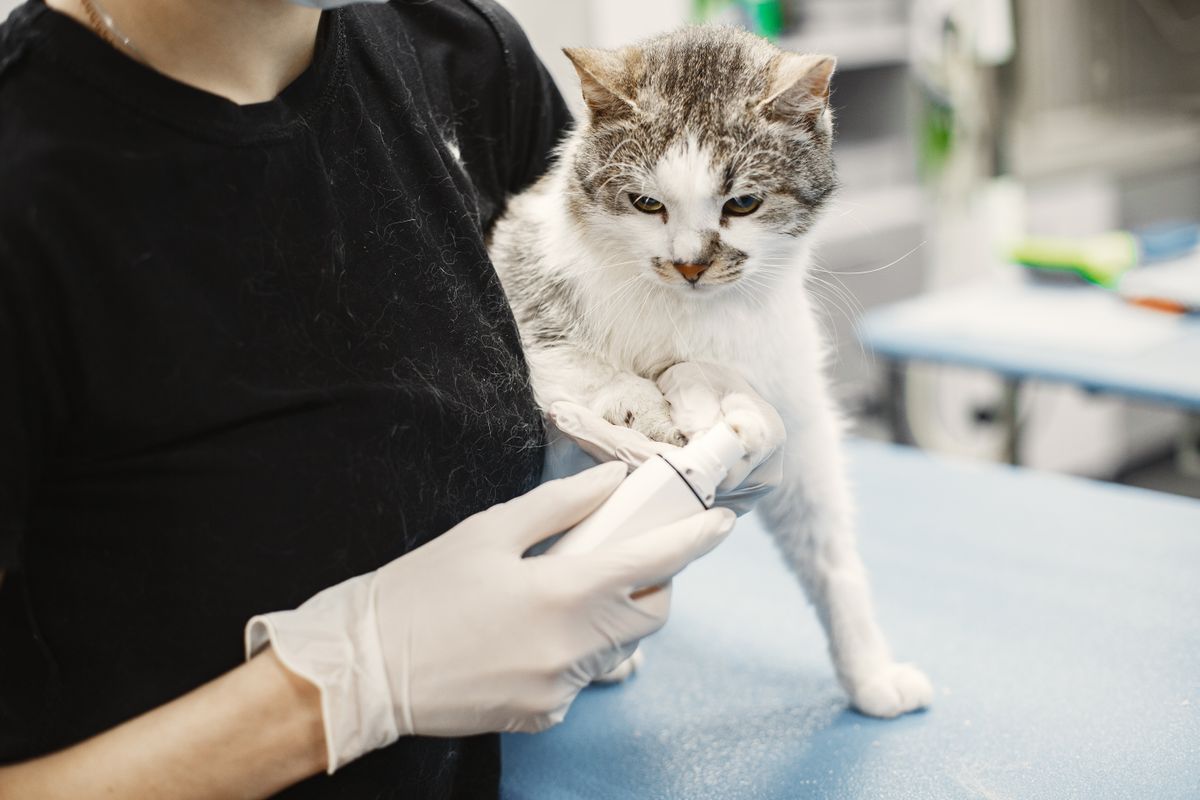
A tick bite on dog can lead to irritation, local skin changes, and, in some cases, more serious tick-borne diseases. Prompt, calm care helps your dog stay comfortable and reduces the risk of illness. Start with a quick check after outdoor adventures, especially in grassy or wooded areas where ticks thrive.
What a tick bite on dog can mean for your pet Tick bites are not all the same. Some dogs experience only a tiny bump or itching, while others may develop systemic illness if a tick transmits bacteria or parasites. Understanding the possibilities helps you respond quickly and effectively.
- Local reactions: redness, swelling, itching, hair loss around the bite, and a small lump.
- Immediate concerns: fever, lethargy, loss of appetite, or neck stiffness right after a bite may indicate irritation or an infection.
- Tick-borne diseases to know: Lyme disease (Borrelia burgdorferi), ehrlichiosis, anaplasmosis, babesiosis. Early signs can be subtle but may include lameness, swollen joints, or fever.
- Other tick-related risks: tick paralysis (rare but possible with certain tick species), skin infections if the bite site is scratched excessively.
If you notice any unusual behavior or persistent symptoms after a bite, call your veterinarian. You don’t need to panic, but you do want to monitor your dog and document the bite location and any signs.
Spotting signs and quick steps to take Early recognition can make a big difference. After a walk in tick-prone areas, do a post-exposure check and review these signs and actions.
- Common signs to watch for in the days to weeks after a bite:
- - Fever, fatigue, or reduced activity
- - Lameness or joint swelling
- - Decreased appetite or weight loss
- - Swollen lymph nodes, or swollen limbs
- - Visible ticks, fang marks, or skin irritation
- Immediate actions to take if you find a tick attached:
- - Stay calm and keep your dog still to avoid smearing the tick.
- - Use fine-tipped tweezers to grasp the tick as close to the skin as possible.
- - Pull upward with steady, even pressure without twisting.
- - Clean the bite site with antiseptic and wash your hands thoroughly.
- - Save the removed tick in a sealed container if you can identify the species later.
- - Note the time the tick was attached and any signs your dog develops in the next week.
To lower risk, perform a quick check after outdoor play and consider placing a short collar or harness first to keep your dog comfortable during removal.
How to safely remove a tick Proper removal is essential to minimize infection risk and skin trauma. Do not crush the tick or use methods that may leave mouthparts embedded.
- Step-by-step at-home removal:
- - Put on gloves if possible and prepare clean tweezers.
- - Grasp the tick as close to the skin as possible, avoiding squeezing the body.
- - Pull upward with a steady, continuous motion until the tick releases.
- - If mouthparts remain, use the tweezers to remove them gently; if you can’t remove them easily, leave them and monitor the area.
- - Immediately wash the bite area and your hands with soap and water; disinfect the area with an antiseptic.
- - Place the tick in a sealed container or a zip-top bag and label it with the date and location.
- - Observe your dog for the next 7–14 days and contact your vet if any signs develop.
If the tick is deeply embedded, very small, or if you’re uncomfortable removing it, contact your veterinarian or a mobile veterinary service for assistance.
When to seek veterinary care and possible tests While many tick bites resolve without issue, certain situations warrant professional evaluation.
- When to contact a vet promptly:
- - The tick was attached for more than 24–48 hours
- - Your dog develops fever, lameness, persistent swelling, or lethargy within days of the bite
- - You cannot remove the tick easily or you notice mouthparts left behind
- - Your dog is very young, older, or has a compromised immune system
- - You live in an area with high tick-borne disease risk or if your dog has traveled to such an area
- What your vet may do:
- - Physical exam and discussion of exposure history
- - Blood tests to screen for tick-borne illnesses (e.g., Lyme, ehrlichiosis, anaplasmosis)
- - Possible tick submission for species identification
- - Short-term antibiotics may be prescribed if there is a high risk of infection or evidence of illness
- - Advice on ongoing prevention and monitoring
Remember, early veterinary follow-up is especially important if your dog has a persistent fever, lameness, or swollen joints after a tick bite.
Prevention and ongoing care The best approach is proactive prevention and routine checks, especially during tick season.
- Regular, veterinarian-recommended tick prevention products for dogs
- - Monthly topical, oral, or collar-based preventives, chosen with your vet
- - Ensure you’re using products appropriate for your dog’s size, age, and health status
- Environmental prevention
- - Keep grass short, remove leaf litter, and create tick-safe zones in yards
- - Treat pets for ticks after outdoor activities in tick-prone areas
- Grooming and post-outing checks
- - Inspect ears, neck, armpits, between toes, and tail base after hikes
- - Perform a quick massage of the coat to feel for ticks
- Education and planning
- - Discuss vaccination considerations where applicable (Lyme vaccination is area-specific and not universally recommended)
- - Maintain a plan for monitoring in high-risk months or regions
- Related topics
- - If you’re curious about heartworm prevention, you may also want to review our guidance on heartworm-prevention
- - For cats or other pets in the household, consider related care articles such as cat-vomiting and dog-skin-allergies to support overall health
Conclusion A conscientious approach to tick bites helps protect your dog from both local irritation and potentially serious illness. Regular prevention, prompt tick checks after outdoor time, and timely veterinary advice when signs appear form the core of responsible care. If you ever suspect a tick bite on dog has led to illness, or if you’re unsure how to proceed, reach out to your veterinary team for guidance. By staying informed and proactive, you reduce risk and keep your canine companion thriving through tick season and beyond.
Frequently Asked Questions
Can a tick bite on dog cause illness? Yes. While many bites cause only local irritation, some ticks carry bacteria or parasites that can trigger illnesses such as Lyme disease, ehrlichiosis, or anaplasmosis. Early detection and treatment improve outcomes, so monitor for fever, lameness, or fatigue after a bite and seek care if signs emerge.
How is tick-borne disease diagnosed in dogs? Diagnosis usually combines a history of exposure, physical exam findings, and blood tests. Tests may include antibody testing or antigen assays to detect infection with specific bacteria, combined with a clinical assessment of symptoms.
How should I remove a tick at home? Use clean, fine-tipped tweezers to grasp the tick as close to the skin as possible. Pull upward with steady, even pressure without twisting. Clean the area and save the tick if possible for identification. If you’re unsure or the tick is deeply embedded, contact your veterinarian for assistance.
When should I call the veterinarian after a tick bite? Call if the tick was attached for an extended period, if you cannot remove it completely, or if your dog develops fever, limping, swelling, or lethargy within a week of the bite. Early veterinary input is especially important in puppies and senior dogs.
Can ticks be prevented year-round? Many dogs benefit from year-round tick prevention in areas with persistent tick activity. Your vet can recommend a prevention plan tailored to your climate, lifestyle, and dog’s health status, and you can complement it with regular yard cleanup and daily post-exposure checks.
Still have questions?
Don't rely on Google if your pet is showing symptoms. Get a professional opinion in minutes.
Talk to a Vet Now