Cat Vomiting: Common Causes and When to See a Vet
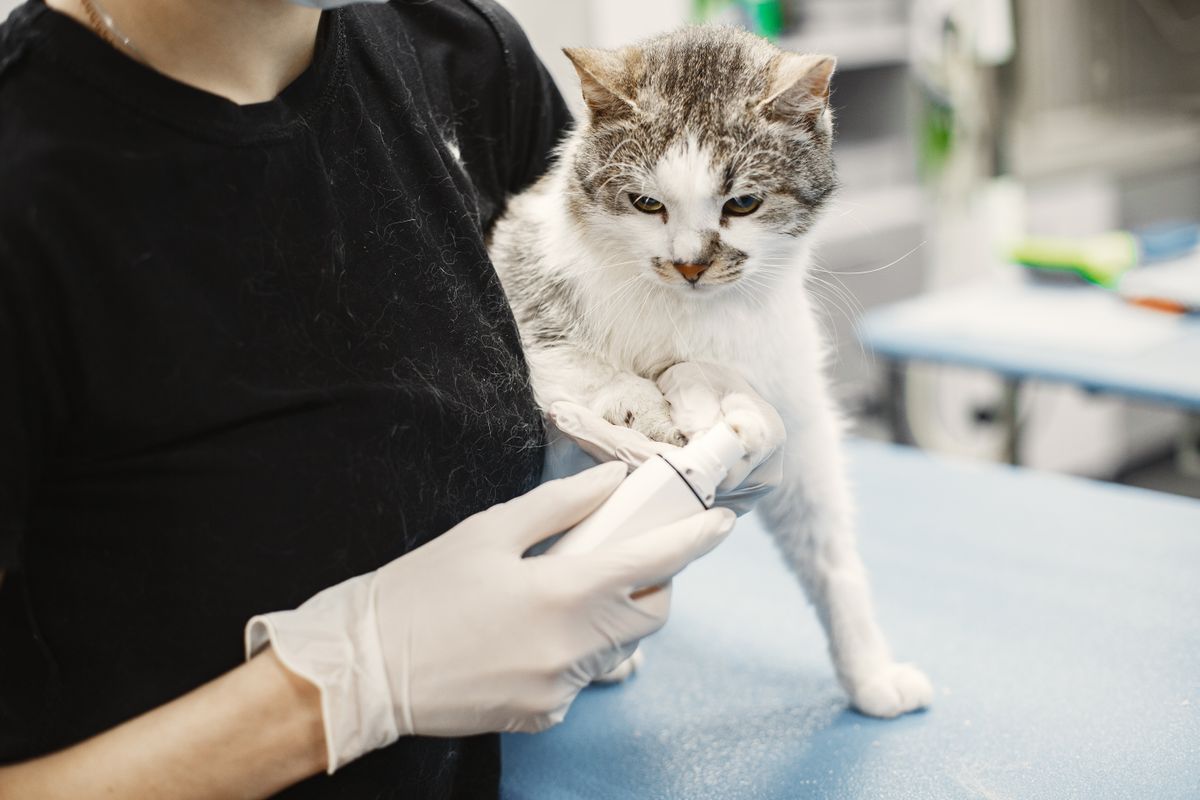
Cat vomiting is a symptom that many cat owners notice when the stomach or intestines are irritated. It’s not a disease in itself, but a sign that something in the gastrointestinal system—or beyond—needs attention. In most cases, a one-off episode is mild and resolves with small changes at home, but persistent or frequent vomiting requires veterinary evaluation.
Common causes of cat vomiting
Understanding the common causes helps you decide when to monitor at home and when to seek care.
- Dietary indiscretion (spoiled food, table scraps, or a rapid dietary change)
- Hairballs and excessive grooming
- Acute gastroenteritis from viruses, bacteria, or parasites
- Pancreatitis
- Kidney or liver disease
- Inflammatory bowel disease or other chronic GI conditions
- Obstruction from a foreign body or a hairball that forms a blockage
- Dietary intolerance or food allergy
- Toxin exposure (plants, household chemicals, medications)
- Postoperative vomiting or anesthesia effects
- Medication side effects
- Stress-related GI upset
When to seek veterinary care
If you notice any of the following signs, contact your veterinarian promptly. Early evaluation can prevent dehydration and identify potentially serious problems.
- Vomiting lasting more than 24–48 hours
- Repeated vomiting with signs of dehydration (dry gums, skin that doesn’t bounce back quickly)
- Vomiting with blood, bile-like material, or a strong odor
- Lethargy, fever, abdominal pain, or collapse
- Not drinking, not urinating, or rapid weight loss
- A known chronic disease (kidney, liver, diabetes) plus vomiting
- Ingestion of a toxin or suspected obstruction (repeated retching, inability to swallow, drooling, a swollen abdomen)
What you can do at home
Simple steps can help many cats recover from a mild GI upset, while you monitor for red flags.
- Withhold solid food for about 12 hours if the cat has mild vomiting, but always provide fresh water.
- After the initial fast, offer tiny amounts of a bland diet (e.g., plain boiled chicken or turkey with white rice) in small, frequent portions.
- Keep fresh water available and consider a pet-safe oral rehydration solution if your vet approves.
- Avoid dairy, fatty foods, onions, garlic, grapes, and chocolates—these can worsen GI upset.
- Track vomiting frequency, appetite, litter box use, and any behavioral changes to share with your vet.
- Do not give human medications or over-the-counter remedies unless advised by a veterinarian.
If symptoms worsen or do not improve within 24–72 hours, or if you see any emergency signs, seek veterinary care promptly. Underlying conditions—such as kidney disease, liver disease, gastroenteritis, or an intestinal blockage—require professional evaluation and treatment.
How veterinarians diagnose and treat vomiting in cats
A vet will perform a complete assessment to determine the cause and the best treatment plan.
- Physical examination and review of history
- Bloodwork and urine tests to assess organ function and hydration
- Fecal tests for parasites or infection
- Imaging (ultrasound or X-ray) to look for blockages, organ enlargement, or inflammatory processes
- Optional diagnostic procedures (endoscopy or biopsies) if a chronic GI condition is suspected
Treatment depends on the diagnosis and may include IV fluids for dehydration, antiemetic medications to control nausea, pain relief, and targeted therapies for the underlying problem (dietary changes, antibiotics if bacterial infection is suspected, or surgery for obstructions). Many cases resolve with appropriate care, while some require ongoing management for conditions like inflammatory bowel disease or chronic kidney disease.
Prevention and long-term care
Prevention focuses on consistent, gentle GI care and early recognition of problems.
- Feed a stable, balanced diet and avoid abrupt changes
- Use gradual transition when introducing new foods
- Regular brushing to reduce hair ingestion and hairballs
- Maintain regular veterinary visits for preventive care and early detection of chronic diseases
- Manage stress with enrichment, predictable routines, and safe spaces
- Keep toxic substances out of reach and supervise pets during outdoor time
Related reads you may find helpful include tick-bite-on-dog, cat-peeing-outside-litter-box, heartworm-prevention, and dog-seizure for broader pet health topics.
Take-home message: Most vomiting episodes are manageable with rest, hydration, and a careful home plan, but ongoing vomiting, dehydration, or new symptoms should prompt a veterinary visit. If you ever doubt the severity, trust your clinical instincts and seek professional advice—your cat’s comfort and health are worth it. Remember that cat vomiting is a signal from the body; addressing it early can prevent more serious problems down the line.
Frequently Asked Questions
What is the most common cause of vomiting in cats? The most common triggers are dietary indiscretion, hairballs, and mild gastritis. However, persistent vomiting or vomiting with other symptoms can indicate more serious issues like kidney disease, liver disease, or inflammatory bowel disease, so it's important to monitor closely and seek care if the problem continues.
How can I tell if my cat vomiting is an emergency? Call or visit a veterinarian immediately if vomiting is accompanied by lethargy, dehydration signs (dry gums, skin tenting), refusal to drink, bloody or bile-colored vomit, persistent vomiting for more than 24–48 hours, or if your cat cannot keep fluids down.
Should I feed my vomiting cat? If vomiting is mild, withhold solid food briefly (about 12 hours) and offer small, frequent amounts of a bland diet after the fast. If vomiting recurs, or if your cat shows signs of dehydration or illness, seek veterinary care. Dairy products should be avoided, and always follow your vet’s guidance on reintroducing food.
Can hairballs cause cat vomiting? Yes, hairballs can cause vomiting, especially in short-haired or long-haired cats that groom frequently. Regular brushing and occasional hairball–preventive products or diets recommended by your vet can help reduce episodes.
When should I call a veterinarian about vomiting? If vomiting is persistent, affects multiple days, is accompanied by dehydration, blood, fever, abdominal pain, lethargy, or inability to keep water down, you should seek veterinary care promptly. Underlying disease or an intestinal blockage requires professional evaluation and treatment.
Still have questions?
Don't rely on Google if your pet is showing symptoms. Get a professional opinion in minutes.
Talk to a Vet Now