Cat Peeing Outside the Litter Box: Causes and Solutions
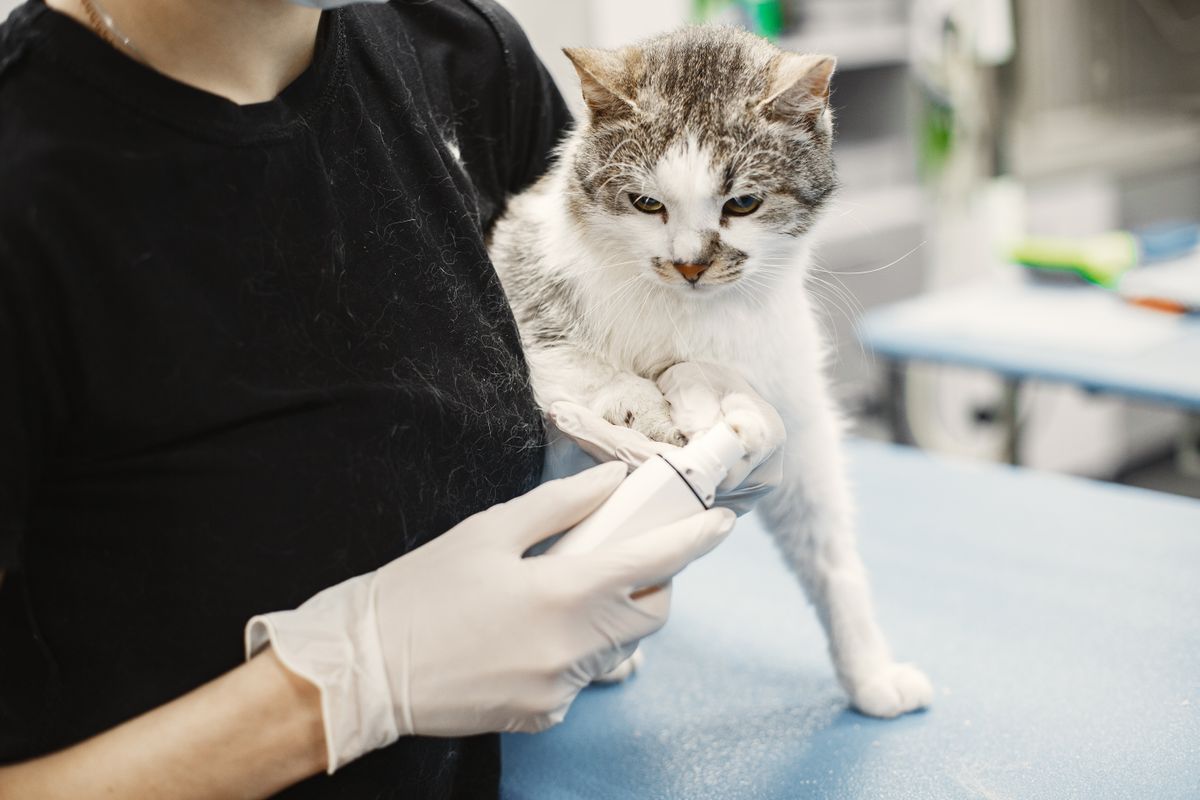
Many cat owners face the distressing issue of cat peeing outside litter box, and it’s rarely something to ignore. This behavior can signal medical problems, stress, or litter box setup issues that deserve thoughtful attention. By understanding common causes and practical steps, you can protect your cat’s urinary health and reduce household mess. The goal is to identify problems early and seek veterinary guidance when needed.
What this behavior means Peeing outside the litter box is not just a nuisance; it’s a signal from your cat that something isn’t right. This pattern may reflect:
- Medical problems affecting the urinary tract or kidneys
- Physical discomfort or pain related to arthritis or injury
- Litter box aversion or poor box cleanliness
- Stress, environmental changes, or new family members
- Age-related changes such as cognitive shifts or decreased mobility
Understanding the context—when the incidents occur, where they occur, and how your cat behaves before and after—helps narrow down the likely causes and whether veterinary evaluation is warranted.
Common causes of cat peeing outside litter box ### Medical causes - Urinary tract infection or bladder inflammation (cystitis) - Crystals or stones in the urine or bladder - Kidney disease or diabetes affecting urinary control - Pregnancy-related or hormonal conditions in unspayed cats - Pain from urethral blockage, arthritis, or trauma - Rarely, bladder or kidney tumors
Signs that may accompany a medical issue: - Straining to urinate or vocalizing during urination - Frequent trips to the litter box with little or no urine - Blood in the urine or foul-smelling urine - Lethargy, poor appetite, or vomiting
Behavioral and environmental causes - Dirty litter boxes, insufficient number of boxes, or inconvenient locations - Inappropriate litter type (dusty, scented, or coarse litter) - Stress from changes (new pet, guest, moving, construction noise) - Territorial marking, especially in unneutered males or multi-cat households - Litter box aversion due to previous painful urination experiences
Age- and health-related changes - Osteoarthritis or mobility issues that make access to boxes difficult - Feline cognitive dysfunction leading to disorientation around the box - Sensory decline making litter choosing harder - Chronic illnesses that shift thirst and urination patterns
How to investigate at home ### Step-by-step assessment - Track litter box use for 1–2 weeks: note frequency, timing, and location of accidents - Check litter box setup: number of boxes, size, cover, and accessibility - Inspect litter type and cleanliness: scoop daily, wash boxes weekly - Observe for pain or discomfort: reluctance to jump, stiffness, hiding after urinating - Review hydration and diet: wet food vs dry, water availability, and changes in appetite
When to seek veterinary care - You notice blood in urine, sudden weight loss, or persistent vomiting - Cat seems in obvious pain or strains to urinate for more than a minute - Symptoms recur despite addressing litter box issues - Your cat is a senior and shows new urinary or behavioral changes - You cannot identify a clear environmental reason and incidents continue
Practical solutions to prevent incidents ### Litter box setup and cleaning - Have at least one box per cat, plus one extra (the classic “more boxes than cats” rule) - Place boxes in quiet, accessible locations away from food and water bowls - Use unscented, non-clumping or low-dust litter that suits your cat’s preferences - Clean boxes daily; wash with mild soap and water weekly, avoiding strong fragrances - Consider uncovered boxes if a covered box is creating a hiding space that exacerbates anxiety
Diet and hydration considerations - Offer regular access to fresh water; consider a water fountain to encourage drinking - Include wet food or add water to meals to support urinary health - Avoid sudden dietary changes; introduce any new foods gradually
Stress reduction and enrichment - Create safe spaces and vertical refuge (shelves, cat trees) - Maintain a predictable routine; minimize unpredictable events - Use pheromone toppers or calming enrichment if stress is suspected - Provide regular play sessions to reduce tension and overactivity
Medical evaluation and treatment options (brief) - A veterinarian may run a urinalysis, urine culture, blood work, and imaging to identify infection, stones, or organ issues - Treatment depends on the diagnosis and may involve antibiotics, pain relief, medication to dissolve crystals, dietary management, or addressing underlying diseases - If a urinary blockage is suspected, seek urgent care immediately
Related posts you may explore for broader context: cat-vomiting, dog-seizure, tick-bite-on-dog, how-to-remove-a-tick-from-a-dog. These topics touch on overall pet health and can help when you notice patterns across systems.
Conclusion Addressing cat peeing outside litter box promptly protects both your cat’s urinary health and household harmony. Start with a calm, structured assessment of litter box setup, environmental stressors, and hydration, then pursue veterinary testing if medical issues seem plausible. With thoughtful changes and professional guidance, most cats regain comfortable toilet habits and a happier, healthier lifestyle.
Frequently Asked Questions ### What’s the difference between peeing outside the litter box and spraying? Peeing outside the litter box is usually urine from the bladder; spraying is a behavioral marking often associated with territory and may occur on vertical surfaces. Marking tends to involve small amounts and occurs in specific spots, while litter box evasion or elicit urination outside the box is more about box access or a medical problem.
What medical problems most often cause this behavior? Urinary tract infections, bladder inflammation, crystals or stones, kidney disease, and diabetes are among the common medical reasons. Less frequently, bladder obstruction or cancer can contribute, especially in older cats.
How many litter boxes should I have for one cat? A good rule is to have one litter box per cat, plus one extra. If your home has multiple levels or spaces, consider placing boxes in a few quiet areas to reduce stress and improve access.
How can I tell if the issue is stress-related? Look for triggers such as new pets, changes in routine, or loud noises. If accidents correlate with specific events or locations, and there’s no clear medical cause after a vet visit, stress management and enrichment are reasonable next steps.
When should I contact a veterinarian urgently? If you notice blood in urine, straining without producing urine, vomiting, collapse, or signs of severe pain, seek urgent veterinary care immediately. Early evaluation can prevent complications and provide targeted treatment.
Still have questions?
Don't rely on Google if your pet is showing symptoms. Get a professional opinion in minutes.
Talk to a Vet Now