Anxiety in Pets: Causes, Signs, and Calming Strategies
Prepared by the Waggle editorial team. This article is educational, not a diagnosis or an individual veterinary review.

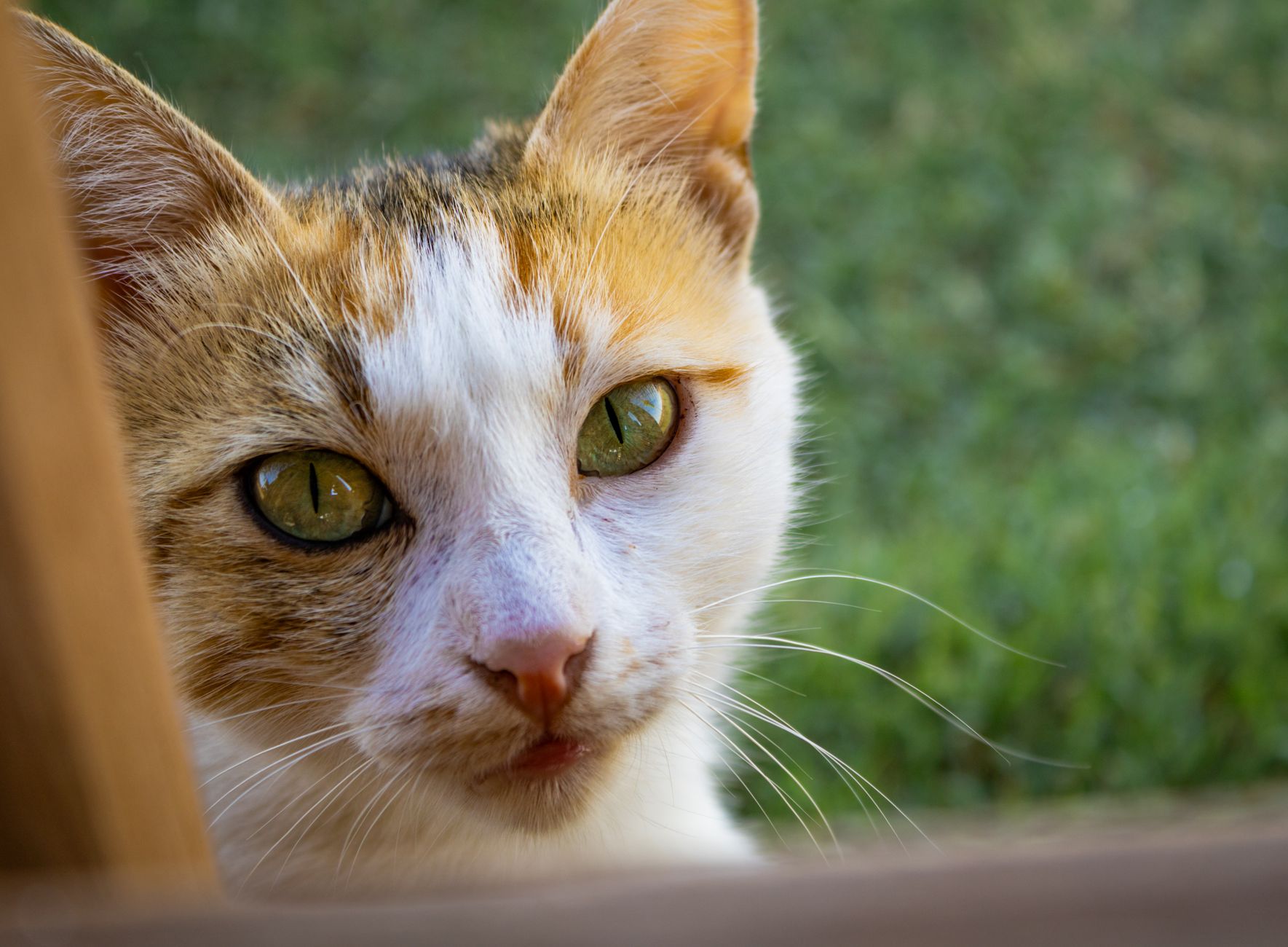
Photo by Davide Negro on Pexels. Illustrative photo; not a patient or clinical diagnosis.
Anxiety is common in dogs and cats, and it affects behavior, health and quality of life. The good news is that most anxious pets can be helped with patience, training and support from a vet.
Signs of anxiety
- Pacing, panting or trembling
- Barking, howling or excessive meowing
- Destructive chewing or scratching
- Accidents in the house or outside the litter box
- Hiding, clinging or trying to escape
- Over-grooming or licking
- Loss of appetite
Common causes
Separation from owners, loud noises, changes in routine or home, new people or pets, past trauma, lack of socialization and aging can all contribute. Pain or illness can also look like anxiety, so a medical check matters.
Calming strategies that help
- Keep routines predictable. Regular meals, walks and bedtime build security.
- Exercise and enrichment. Daily activity, puzzle feeders and sniff walks use up nervous energy.
- Create a safe space. A quiet bed or covered crate with familiar scents gives retreat.
- Practice gradual desensitization. Expose your pet to triggers at low levels and pair them with treats.
- Use calming tools. Pressure wraps, pheromone diffusers and calming music help some pets.
- Reward calm behavior. Never punish fear. It makes anxiety worse.
When to involve a vet
If anxiety is severe, getting worse or causing injury, talk to a vet. They can rule out medical causes, suggest behavior plans and discuss whether medication could help. Many owners chat with a licensed vet on Waggle Vet to talk through next steps at any hour.
For in-person behavior help, find a nearby veterinarian.
FAQs
Can pets grow out of anxiety?
Some improve with training and time, but many need ongoing support.
Can supplements help?
Some owners try them. Ask your vet before starting anything, and keep treatment notes in your pet health vault.
Related reading
- Why Is My Cat Peeing Outside the Litter Box?
- Destructive Behavior: When It's Boredom vs. a Health Issue
- What Belongs in Your Pet's Complete Health File
Waggle resources
Find nearby US veterinary clinics
Store pet documents with Waggle Vault
Sources and further guidance
Sources checked October 13, 2026. These references inform the guidance; they do not mean the authors medically reviewed or endorsed this article.
Still have questions?
For non-emergency questions, explore Waggle Vet. Trouble breathing, collapse, suspected poisoning or other severe signs need immediate in-person emergency care—do not wait for an online chat.
Explore Waggle Vet