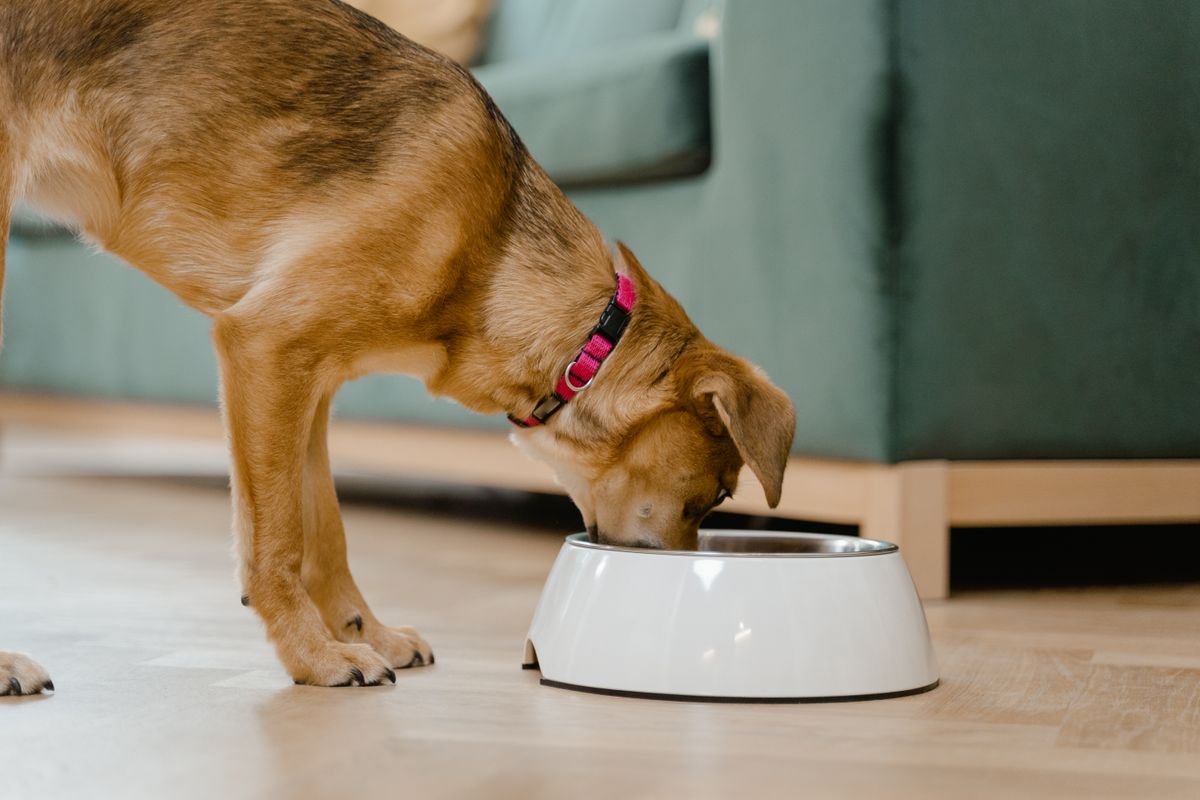
My Dog Hasn't Eaten in Two Days: What to Do
Two full days without eating is a meaningful threshold in dogs, even though they generally tolerate short-term fasting better than cats do. At this point, whatever was causing the initial appetite loss has had time to either resolve on its own (in which case you'd likely have seen some improvement already) or is significant enough that it hasn't resolved without help — either way, this duration warrants moving from "monitor at home" to "get a professional read on this."
The full picture matters for understanding urgency: a dog who hasn't eaten but is drinking water, has normal energy, and is otherwise acting like themselves is a different situation than a dog who's also lethargic, vomiting, or clearly unwell. Small dogs and dogs with any underlying health conditions are at higher risk from extended fasting than large, healthy adult dogs, given differences in metabolic reserve.
Common reasons appetite loss stretches to two days without other obvious symptoms include dental pain significant enough that the dog is actively avoiding chewing, an underlying illness that hasn't yet shown other clear signs, or in some cases, ongoing stress or anxiety from a major change.
What to do: At two days without eating, contact a vet regardless of how your dog otherwise seems — even in a dog with normal energy and drinking habits, this duration warrants a professional opinion on next steps, whether that's an in-person exam, bloodwork, or specific guidance on what to try at home. Don't wait for additional symptoms to appear before reaching out.
For more on the pattern of appetite loss with continued normal drinking specifically, here's additional context on that combination.
Still have questions?
Don't rely on Google if your pet is showing symptoms. Get a professional opinion in minutes.
Talk to a Vet Now