Why Won't My Dog Eat? Common Causes of Appetite Loss
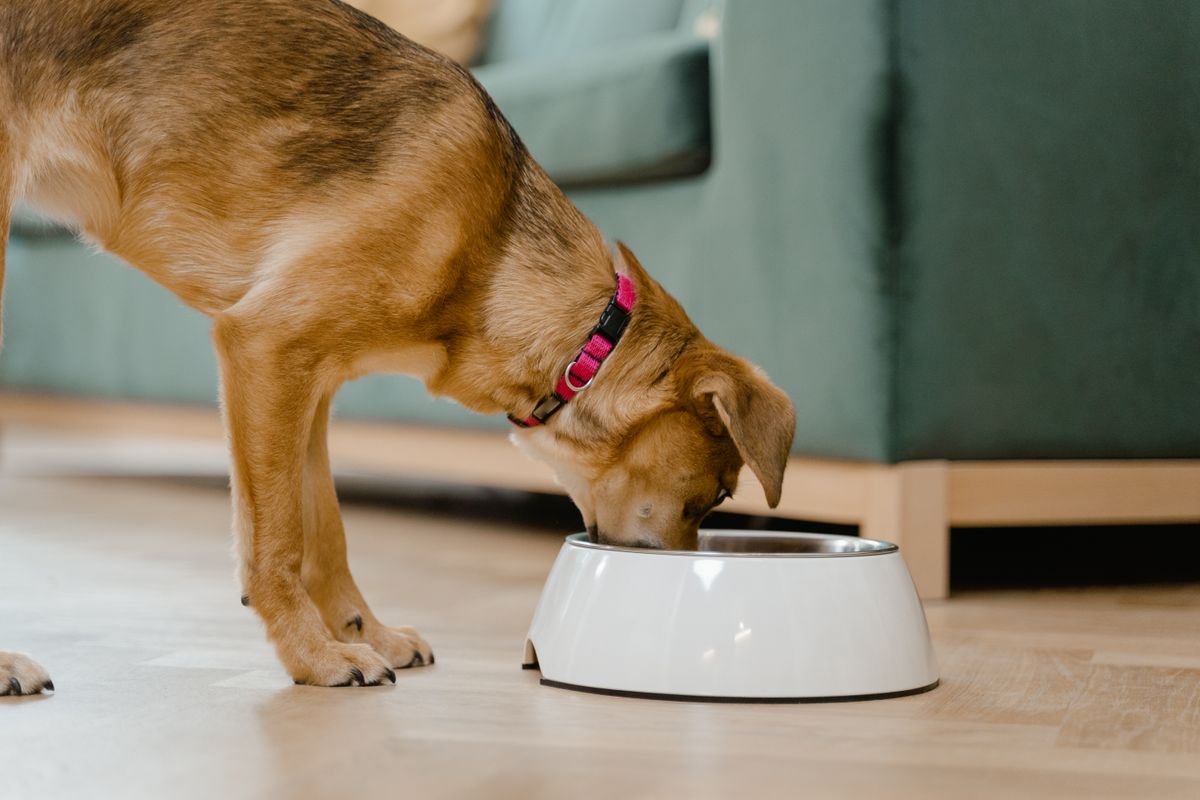
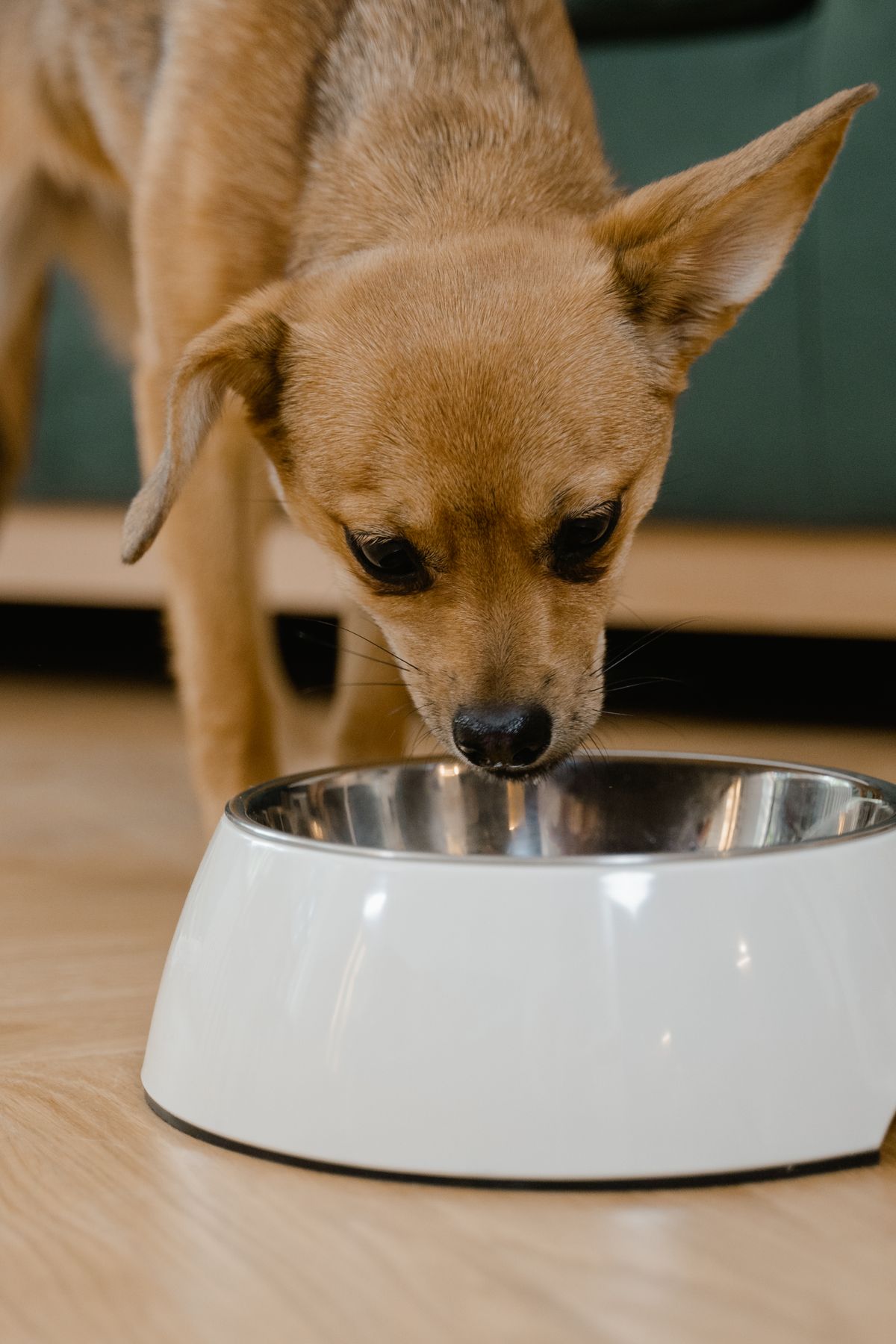
Dogs are generally reliable eaters, which is exactly why a skipped meal tends to worry owners more than it usually needs to — a single missed meal in an otherwise normal, active dog is common and often traces back to something minor like a hot day, a recent large treat, mild stomach upset, or simply a picky mood.
Appetite loss that continues beyond a day, though, or that comes with other changes, points toward a wider range of possible causes: dental pain (a very commonly overlooked cause, especially in older dogs), nausea from an underlying GI issue, pain from an injury or arthritis flare, infections, organ dysfunction, or in some cases, stress or anxiety from a change in the household or routine.
Age and health history matter for how quickly to be concerned — a young, healthy dog skipping a meal is a lower concern than an older dog or one with an existing health condition doing the same thing. Weight loss over time, even without an obvious appetite change day-to-day, is also worth tracking, since a gradual decline in how much a dog eats can be harder to notice than a sudden full refusal.
What to do: For a single skipped meal in an otherwise normal, playful dog, offering the same food again at the next meal and monitoring is usually reasonable. Appetite loss lasting more than 24 hours, or combined with lethargy, vomiting, diarrhea, or any behavior change, warrants a call to a vet.
If your dog is still drinking water normally despite not eating, that combination has its own specific considerations worth understanding.
Still have questions?
Don't rely on Google if your pet is showing symptoms. Get a professional opinion in minutes.
Talk to a Vet Now