Dog Vomiting: Common Causes and When to See a Vet
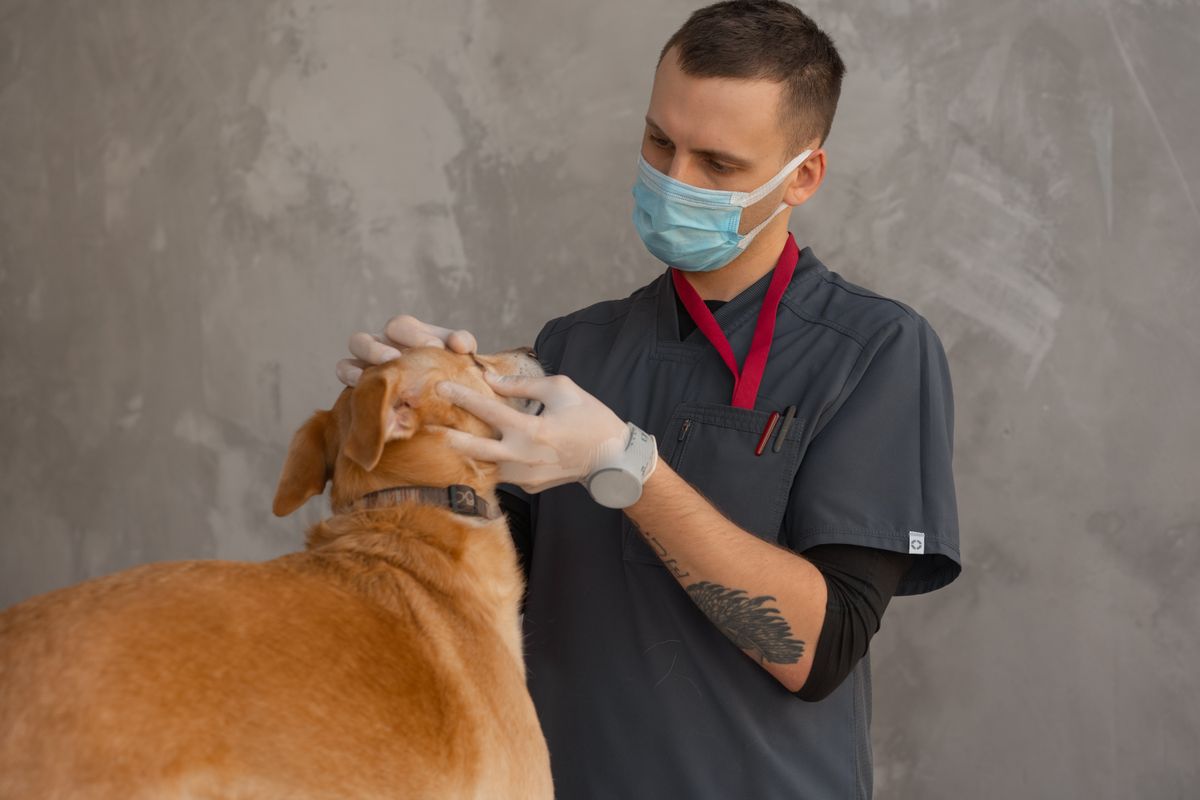
Vomiting is a common symptom that can range from a simple upset to something more serious. When dog vomiting happens, it’s helpful to understand the possible causes and know when to seek veterinary care. Many episodes resolve with gentle at-home care, especially after a minor dietary slip. But persistent or recurrent vomiting can lead to dehydration or indicate an underlying illness that deserves professional evaluation. With a calm approach and careful monitoring, you can keep your dog comfortable and safe while you determine the right next steps.
Common Causes of dog vomiting
- Dietary indiscretion: eating garbage, spoiled food, or table scraps can irritate the stomach and trigger vomiting.
- Infections: viral or bacterial gastroenteritis can cause brief or ongoing vomiting with or without diarrhea.
- Parasites: intestinal worms or protozoa can upset digestion and lead to vomiting in some dogs.
- Gastritis and gastrouodenitis: inflammation of the stomach or small intestine often follows a dietary change or toxin exposure.
- Pancreatitis: inflammation of the pancreas, frequently linked to fatty meals, can cause vomiting, abdominal pain, and lethargy.
- Obstruction or foreign body: a swallowed object or mass can block the GI tract, causing repeated vomiting and abdominal discomfort.
- Inflammatory bowel disease or chronic GI conditions: long-standing digestive problems may present with vomiting alongside weight loss or appetite changes.
- Metabolic or organ disease: kidney or liver disease, electrolyte imbalances, or endocrine disorders can manifest as vomiting.
- Toxins and certain medications: chocolate, grapes/raisins, xylitol, lilies, some human medications, and other toxins can provoke vomiting.
- Motion sickness or stress: some dogs vomit with travel or during episodes of anxiety.
If your dog has any of the risk factors above or if you’re unsure about the cause, a veterinary check is a prudent step. For a quick reference, see also related posts on digestion and behavior, such as dog-worms, dog-shaking, online-vet, and cat-constipation.
Recognizing the signs that vomiting may require veterinary care
- Vomiting lasts more than 24–48 hours or recurs frequently.
- You see blood in the vomit, or the vomit contains material that looks coffee-ground.
- Signs of dehydration appear, such as dry gums, sunken eyes, skin that tents briefly when pulled up, or lethargy.
- Abdominal pain, bloating, persistent drooling, or signs of shock (pale gums, rapid heart rate) are present.
- The dog is very young (puppies under 6 months) or has a chronic illness, diabetes, kidney or liver disease.
- Ingestion of a known toxin or a suspicious object that could be obstructing the GI tract.
- Vomiting is accompanied by diarrhea, collapse, fever, or inability to keep fluids down.
At-home care and prevention
- Withhold food briefly if advised by your veterinarian: 12–24 hours for healthy adults, but follow the guidance for puppies or dogs with medical conditions.
- Offer small sips of water or an electrolyte solution to prevent dehydration. If the dog refuses water for more than 12–24 hours, seek veterinary care.
- Introduce a bland, easily digestible diet gradually: small amounts of boiled chicken (skinless, no bones) and plain white rice or a prescription limited-ingredient diet as directed by your vet. Slowly reintroduce normal food over 3–7 days.
- Avoid fatty foods, dairy products in large amounts, spicy foods, and treats that could irritate the stomach.
- Monitor for other signs: diarrhea, lethargy, fever, or abdominal tenderness. If new symptoms appear or vomiting continues, contact your veterinarian.
- Do not give human anti-nausea or pain medications without veterinary guidance. Some drugs can be dangerous for dogs.
- Ensure a safe environment: keep household toxins out of reach, prevent access to trash, and supervise meals to reduce the risk of dietary indiscretion.
- Prevention tips: regular parasite control, up-to-date vaccines, and a consistent feeding routine reduce the risk of GI upset. If your dog has a history of GI problems, work with your vet on a tailored plan.
If you’re unsure whether a symptom warrants a visit, an online vet consult can help triage and guide you on next steps.
Related articles you may find helpful: /dog-worms, /dog-shaking, /online-vet, /cat-constipation
When to see a veterinarian and what to expect
If vomiting persists, or if any red flags appear, a vet visit is warranted. A clinician will perform a physical exam and may recommend diagnostic tests such as a stool sample, blood work, fecal examination, radiographs, or ultrasound to determine the cause. Treatment varies by diagnosis but may include fluid therapy, antiemetic medications, dietary management, deworming, or addressing specific diseases like pancreatitis or kidney dysfunction.
During a vet visit, bring details about: - Onset and duration of vomiting - Any exposure to food, toxins, or foreign objects - Other symptoms (diarrhea, lethargy, fever, coughing) - Recent diet changes or travel - Vaccination and deworming history
Concluding note: Most episodes of dog vomiting resolve with attentive care and a clear plan, but repeated vomiting or vomiting with other concerning signs should not be ignored. If you’re worried about dog vomiting, reach out to your veterinarian for guidance or consider an online veterinary consultation to get quick, evidence-based advice.
Frequently Asked Questions
What are the most common causes of dog vomiting? Vomiting can stem from dietary indiscretion, infections, parasites, gastritis, pancreatitis, obstructions, toxins, or metabolic diseases. In many cases, simple dietary adjustments and careful monitoring are sufficient, but persistent vomiting warrants veterinary evaluation to rule out more serious problems.
When is vomiting in dogs an emergency? Seek immediate care if vomiting is accompanied by severe abdominal pain, bloating, dehydration signs (dry gums or lethargy), vomiting blood, repeated vomiting with inability to keep fluids down, unconsciousness, or if the dog is very young or has a chronic illness. If a known toxin ingestion is suspected, contact a veterinarian right away.
Can I treat vomiting at home? Short episodes in healthy adult dogs may improve with brief fasting and a gradual reintroduction of a bland diet, plus careful hydration. Do not give human medications without veterinary guidance. Puppies and dogs with chronic conditions should be evaluated sooner rather than later.
How long should I wait before contacting a vet about vomiting? If vomiting lasts more than 24–48 hours, or if there are red flags like blood, dehydration, or abdominal pain, contact a vet promptly. Any vomiting in a puppy under 6 months, or in a dog with a known medical condition, should be assessed sooner.
Are puppies more at risk when they vomit? Yes. Puppies are at higher risk for rapid dehydration and may deteriorate quickly. They also have a lower tolerance for electrolyte imbalance. Seek veterinary care promptly if a puppy is vomiting, especially if it is ongoing or accompanied by other concerning signs.
Still have questions?
Don't rely on Google if your pet is showing symptoms. Get a professional opinion in minutes.
Talk to a Vet Now