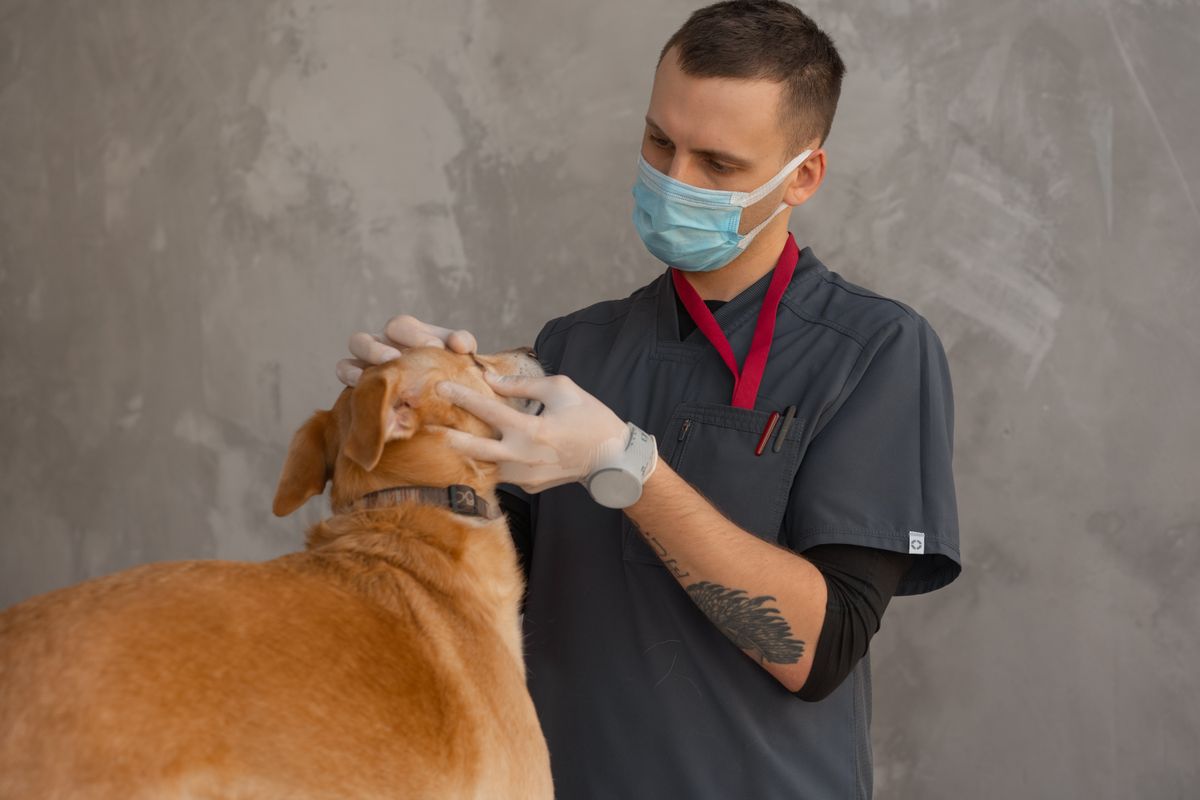
Why Is My Dog Shaking? 7 Reasons and When It's an Emergency

Shaking in dogs is a common sign that something in your pet's body needs attention, and spotting dog shaking early can help you respond quickly. Shaking can reflect temperature changes, fear, pain, or a medical condition, so observing other signs is important and helps distinguish between harmless causes and the need for veterinary care.
Understanding dog shaking: common triggers - Cold or drafty rooms - Excitement, play, or anticipation - Fear, anxiety, or stressful situations (e.g., vet visits, loud noises) - Pain from injury, arthritis, dental issues, or post-surgical discomfort - Low blood sugar, especially in young puppies or small breeds - Toxins or exposure to poisons (household substances, plants, foods) - Neurological or vestibular conditions, seizures, or brain inflammation - Metabolic disorders such as liver or kidney disease - Side effects from medications or recent anesthesia
Symptoms to watch for when your dog is shaking - Shaking that lasts more than a few minutes or happens repeatedly - Tremors in a single limb or in the head, face, or entire body - Lethargy, weakness, or trouble standing - Vomiting, diarrhea, or drooling - Abnormal breathing, pale gums, collapsing, or collapse risk - Seizure-like stiffening, loss of consciousness, or uncontrolled movements - Reluctance to eat or drink, or signs of abdominal pain - Signs of pain when touched or when moving limbs
When to seek emergency care - Shaking with collapse, fainting, or trouble breathing - Seizure lasting longer than 2–3 minutes or cluster seizures - Sudden, severe weakness or inability to stand - Suspected poisoning, ingestion of antifreeze, pesticides, or rodenticide - Bleeding, severe trauma, or visible broken bones - Abnormal heart rate, severe vomiting with dehydration, or extreme confusion - A tremor in a very small or toy breed that is paired with other concerning signs
If you’re unsure, it’s safer to contact an on-call vet. In urgent cases, prompt care can prevent complications.
First aid steps you can take at home - Keep your dog safe and comfortable: remove hazards, limit movement, and create a quiet, warm space. - Check for obvious injuries or signs of pain without forcing movement. - Offer a small amount of water if your dog is not vomiting or at risk of choking, but do not force food. - Note the onset time, duration, and any potential triggers or exposures (foods, chemicals, new meds). - Avoid giving human medications or home remedies unless advised by a veterinarian. - If your dog is on medications, verify dosing and administration timing—errors can cause adverse reactions. - Contact your vet or a 24/7 telemedicine service if shaking persists, worsens, or is accompanied by red-flag signs.
Related reads that may help you understand related concerns: - dog-vomiting - cat-constipation - dog-worms - how-to-get-rid-of-fleas-on-dogs
What your veterinarian will check: diagnosis and treatment - A thorough physical exam and neurological assessment to identify signs beyond tremors - Blood work to evaluate organ function (liver, kidneys), glucose levels, and other metabolic indicators - Urinalysis to assess kidney function and hydration status - Imaging studies (such as X-rays or ultrasound) if needed to evaluate abdominal or thoracic organs - Review of medications, exposures, and recent illnesses - Observation of your dog’s gait, balance, and response to stimuli to differentiate tremors from seizures - Treatment tailored to the underlying cause, which may include fluids, pain relief, antiemetics, glucose supplementation, or toxins removal
If your dog shakes in certain contexts, such as after a vaccination or during exposure to loud noises, your vet may offer guidance specific to those scenarios. For persistent tremors without a clear cause, or if a secondary problem (like dehydration or infection) is suspected, your vet may recommend closer monitoring or additional tests. You’ll often learn practical steps to prevent future episodes, like environmental adjustments, early nutrition and weight management, and stress-reduction strategies.
Conclusion Shaking can be a normal, momentary response, but when it’s persistent, worsens, or is accompanied by other concerning signs, it warrants veterinary evaluation. By paying attention to timing, triggers, and accompanying symptoms, you’ll feel more confident deciding when to seek care for dog shaking. If you have concerns, a quick check-in with a veterinary team can provide clarity and peace of mind.
Frequently Asked Questions
Can dog shaking be normal? Yes, brief tremors can occur with cold weather, excitement, or normal stress responses. If trembling is brief and isolated, it’s usually not a problem. Persistent shaking, tremors with other symptoms, or signs of illness should be evaluated by a veterinarian.
How is dog shaking diagnosed? vets often start with history and physical exam, then run tests such as blood work, urine analysis, and sometimes imaging. If a seizure is suspected, your vet may recommend neurology referral or additional testing to determine the cause and appropriate treatment.
Should I give my dog food or water if they are shaking? Offer small amounts of water if your dog is alert and not vomiting. If your dog won’t drink and shows other concerning signs, avoid forcing fluids and contact your vet. Do not give human medications or home remedies without professional advice.
Are some breeds more prone to tremors or shaking? Some breeds may experience tremors related to specific conditions (e.g., tremors in small breeds or vestibular issues in older dogs). However, shaking can affect dogs of any breed, and the cause is best determined by a vet based on the full clinical picture.
If my dog has tremors, does it mean they have a seizure? Not necessarily. Tremors can be caused by cold, pain, anxiety, or metabolic issues, whereas seizures involve abnormal, often rhythmic, brain activity. A vet can distinguish between tremors and seizures through exam and tests.
Still have questions?
Don't rely on Google if your pet is showing symptoms. Get a professional opinion in minutes.
Talk to a Vet Now