Nasal Congestion in Dogs: Causes and Care
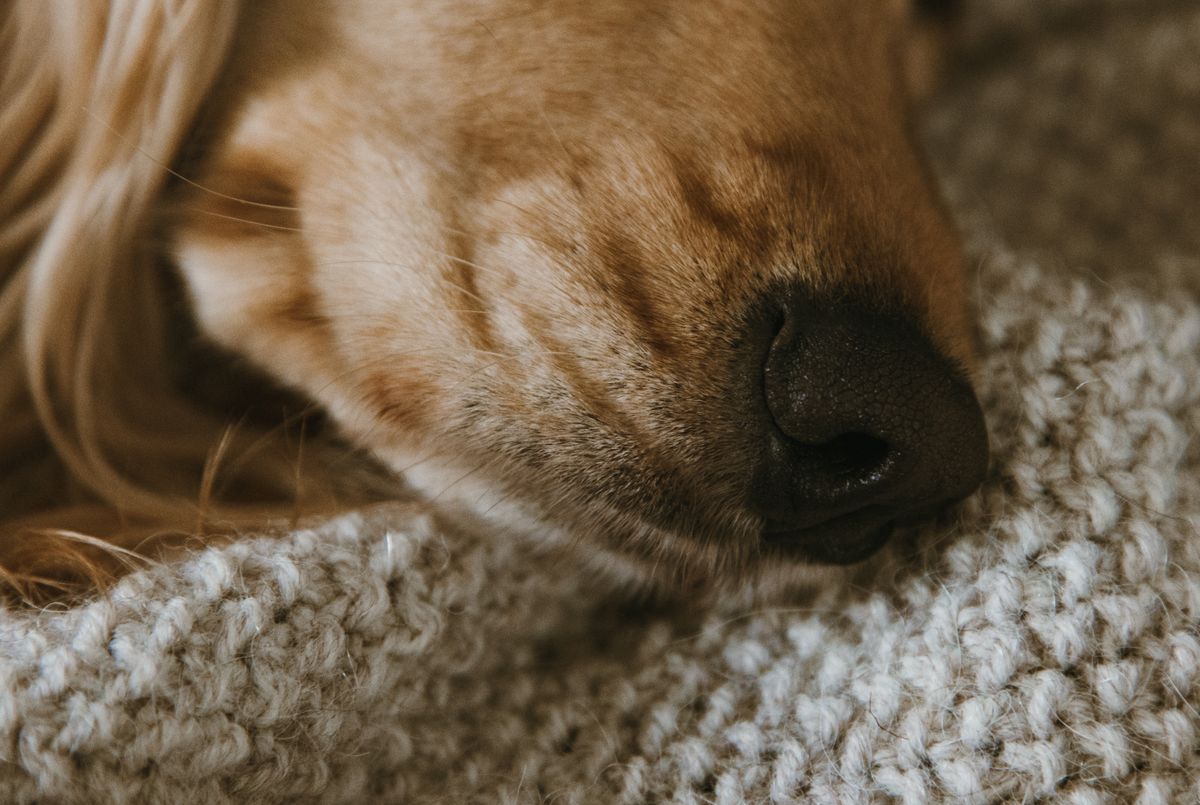
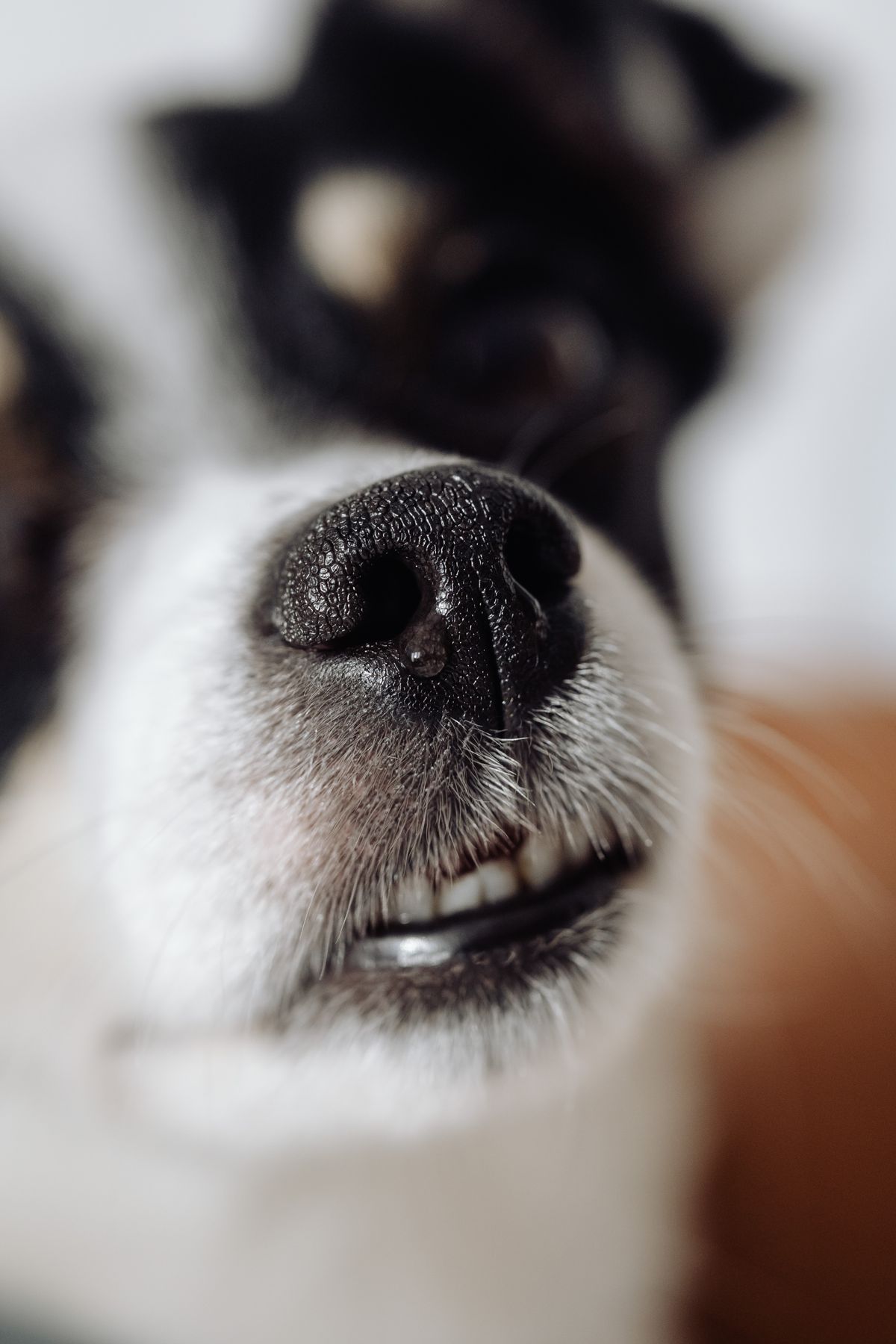
Nasal congestion — snorting, snuffling, or noisy breathing through the nose without necessarily obvious visible discharge — is common in dogs and often relates to mild environmental irritants, seasonal allergies, or the early stage of a mild upper respiratory infection.
Environmental triggers include dust, pollen, smoke, strong cleaning product fumes, or scented candles and air fresheners, all of which can irritate the nasal passages similarly to how they might affect a sensitive person. Brachycephalic breeds are more prone to congestion symptoms generally given their already-narrowed nasal passages, meaning a similar irritant produces more noticeable symptoms in these breeds than in others.
Persistent, one-sided, or worsening congestion is a different situation from mild, intermittent congestion tied to an identifiable trigger — one-sided symptoms specifically raise the possibility of a foreign object (grass awns after time outdoors are a classic cause) or, less commonly, a mass, and these are worth investigating rather than continuing to treat as general allergies.
What to do: For mild, intermittent congestion with an identifiable environmental trigger, reducing exposure to the irritant (switching cleaning products, avoiding scented candles, managing seasonal allergy exposure) often helps. Congestion that's persistent, one-sided, worsening, or accompanied by colored discharge, reduced appetite, or lethargy warrants a vet visit to rule out an infection, foreign object, or other underlying cause.
For a closer look at what discharge color specifically can tell you, here's a fuller breakdown.
Still have questions?
Don't rely on Google if your pet is showing symptoms. Get a professional opinion in minutes.
Talk to a Vet Now