Nasal Discharge in Dogs: What the Color Means
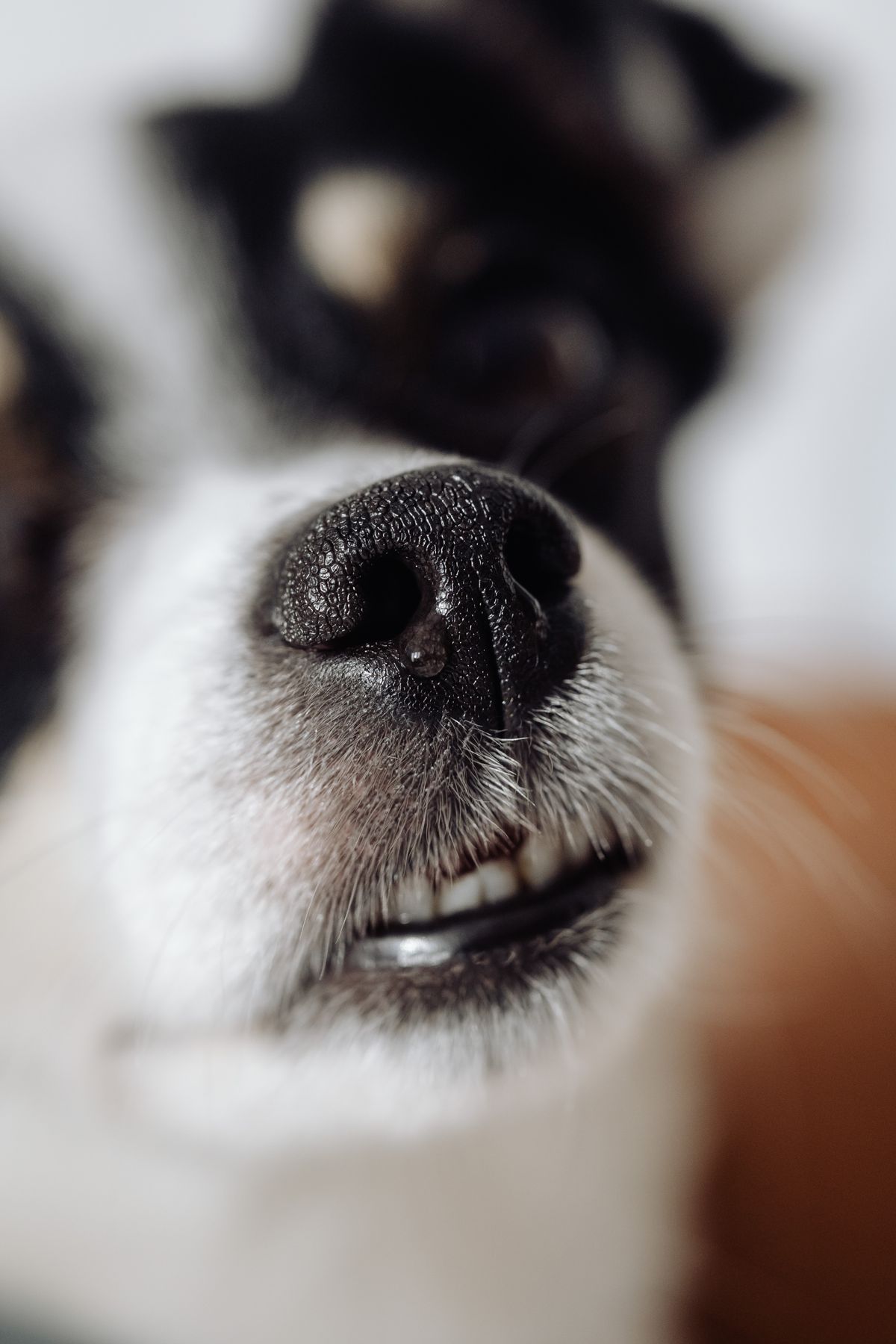
The color and consistency of nasal discharge offers real, useful information about what's likely going on, similar to how it works in humans. Clear, watery discharge is often the least concerning, commonly associated with mild allergies, early stages of a viral infection, or environmental irritants. Thick yellow or green discharge suggests a bacterial infection or a more advanced stage of respiratory illness, since this coloring typically comes from white blood cells and bacteria.
Discharge from only one nostril, rather than both, is a meaningful distinction — it more often points toward a localized cause like a foreign object lodged in the nasal passage (grass awns are a classic culprit, especially after time outdoors in grassy areas), a dental issue affecting a nearby tooth root, or in some cases, a mass or polyp, particularly in older dogs. Discharge from both nostrils more often suggests a broader respiratory infection or systemic cause.
Blood in nasal discharge, whether occasional streaks or more significant, always warrants prompt attention — this can indicate trauma, a foreign object causing irritation, a clotting disorder, or in more serious cases, a tumor.
What to do: Mild, clear discharge from both nostrils in an otherwise well dog can often be monitored for a few days. Thick colored discharge, discharge from only one nostril, or any blood warrants a vet visit — one-sided discharge in particular is worth checking specifically for a foreign object, since removal often resolves the issue completely once found.
For related congestion symptoms without necessarily visible discharge, here's more on nasal congestion in dogs generally.
Still have questions?
Don't rely on Google if your pet is showing symptoms. Get a professional opinion in minutes.
Talk to a Vet Now