Dog Throwing Up White Foam: Causes and When to Worry
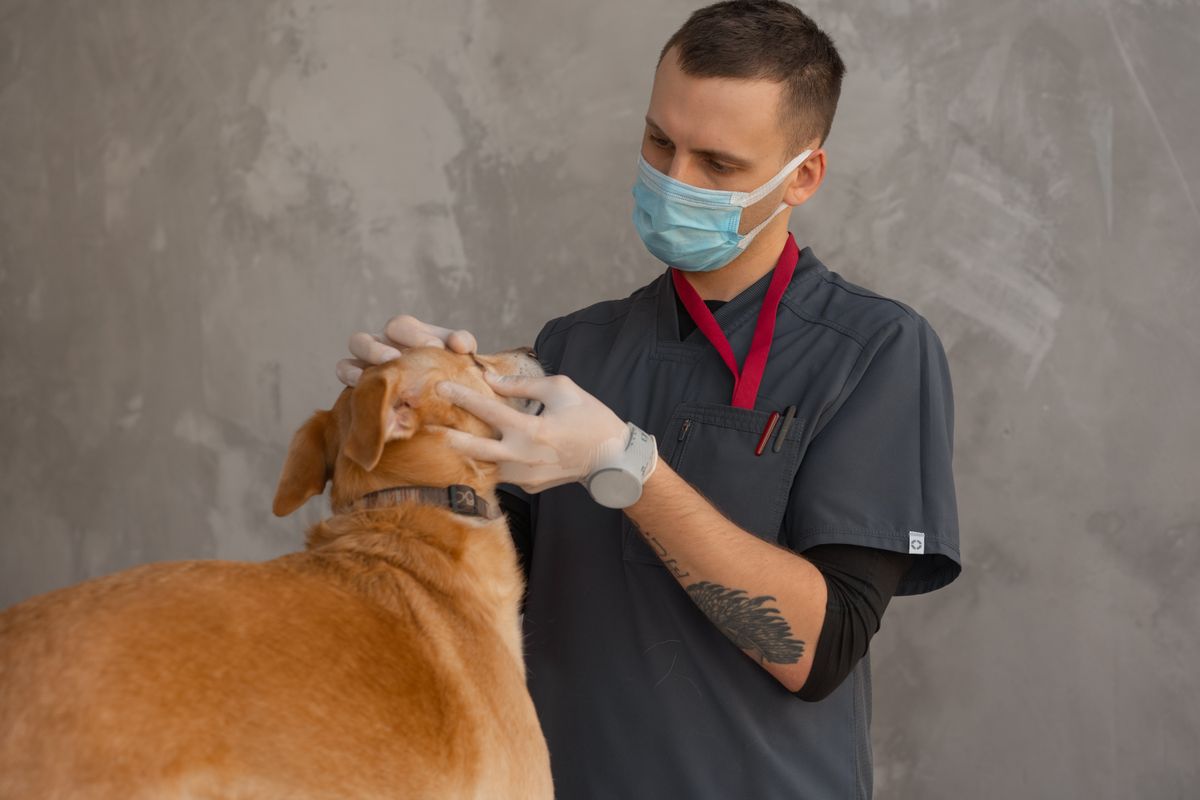
Vomiting in dogs is common, but when you notice dog throwing up white foam, it often signals that the stomach is empty or bile is irritating the lining. This pattern can be frustrating to watch, but understanding the underlying reasons helps you respond calmly and appropriately. Most foamy episodes are not emergencies, yet some cases require prompt veterinary attention to prevent dehydration or more serious illness. When in doubt, trust your instincts and seek advice if the vomiting is persistent, severe, or accompanied by other concerning signs.
Common causes of dog throwing up white foam
Foamy, white vomitus can arise from several benign triggers, but it can also point to more significant GI or systemic issues. The following are frequent culprits veterinarians see in practice:
- Dietary indiscretion or abrupt diet change
- Gastritis or stomach irritation from spoiled food, medications, or fatty meals
- Bile reflux when the stomach is empty, especially after overnight fasting
- Pancreatitis or other inflammatory GI conditions
- Infections (viral, bacterial) or parasites affecting the GI tract
- Obstruction or partial obstruction from a foreign body
- Systemic illness such as kidney, liver, or hormonal disorders
- Stress, motion sickness, or acute gastroenteritis
If you notice dog throwing up white foam, note any accompanying symptoms (e.g., diarrhea, poor appetite, lethargy, excessive drooling, or abdominal tenderness) and consider how long the episode has lasted. Young puppies and older dogs may be more vulnerable to dehydration when vomiting occurs.
When to seek veterinary care
Vets recommend seeking care for vomiting that is recurrent, new, or accompanied by warning signs. Timely evaluation can prevent dehydration and identify potentially serious conditions early.
- Vomiting lasts longer than 24 hours or occurs repeatedly in a day
- Signs of dehydration: dry gums, sunken eyes, lethargy, skin that tenting returns slowly
- Blood or black, tarry material in the vomit
- Severe abdominal pain, bloating, or a swollen abdomen
- Inability to keep water down for more than a few hours
- Neurologic changes, collapse, seizures, or pale/blue gums
- Puppies, senior dogs, or dogs with chronic illness or toxin exposure
- Recent ingestion of toxins (plants, chemicals, medications)
If you’re unsure, an online veterinary consultation can help triage and determine whether in-person assessment is needed, particularly if you suspect a foreign body, pancreatitis, or an infection.
What you can do at home (safe steps)
For many mild cases, simple home care can help as you monitor your dog’s response. Do not administer human medications without veterinary guidance.
- Withhold food for 12–24 hours (except for very young or geriatric dogs; ask a professional if unsure)
- Offer small sips of clean water or ice chips; if water is tolerated, gradually reintroduce a bland diet
- Introduce a bland, easily digestible diet after vomiting stops: boiled chicken or turkey with white rice, in small portions
- Avoid fatty, spicy, dairy, or highly seasoned foods and any table scraps
- Keep a close eye on symptoms and hydration; recheck if vomiting recurs or worsens
- Prevent access to potentially harmful items (trash, plants, chemicals) and note any environmental changes
- If vomiting continues or you see any red flags, contact a veterinarian promptly
If you’re dealing with a known risk factor (such as recent travel, boarding, or flea and parasite exposure), a telemedicine visit can help tailor guidance and determine next steps. Related topics you may find helpful include dog fleas, flea treatment for dogs, dog worms, and online vet services for quick triage.
How veterinarians diagnose and treat vomiting episodes
When a dog presents with foamy vomiting, clinicians work through a structured approach to identify the cause and appropriate therapy.
- History and physical exam: hydration status, appetite, recent foods, and exposure to toxins
- Lab testing: CBC, chemistry panel, and electrolyte levels to assess dehydration and organ function
- Urinalysis: kidney function and urinary tract health
- Imaging: abdominal radiographs or ultrasound to detect obstructions, masses, or pancreatitis
- Additional tests: fecal exams for parasites, special tests for infections or toxin exposure
Treatment plans vary with the diagnosis but often involve:
- Correcting dehydration with intravenous or subcutaneous fluids
- Anti-nausea and antiemetic medications to control vomiting
- Pain relief and GI protectants as needed
- Dietary management and slow reintroduction of a bland diet
- In some cases: antibiotics, antifungals, or surgical intervention for obstructions or severe disease
A tailored plan depends on age, breed, overall health, and the suspected underlying cause. Your veterinarian may also discuss prevention strategies to reduce the risk of future foam-like vomiting episodes.
Prevention and daily care tips
Reducing the likelihood of foamy vomiting involves consistent, healthy routines and protective measures.
- Maintain a stable feeding schedule with appropriate portion sizes
- Introduce new foods gradually to prevent GI upset
- Avoid feeding immediately before vigorous exercise or travel
- Keep treats simple and free from excessive fat or seasoning
- Practice parasite prevention and regular veterinary checkups
- Manage stress and provide a calm, predictable environment for digestion
- Be mindful of toxins, plants, and small objects that can cause obstructions
- If your dog has a history of GI issues, discuss a preventive diet or mild GI-supportive foods with your vet
Related posts to explore these topics further: dog fleas, flea treatment for dogs, dog worms, and the online-vet option for convenient guidance when you’re unsure about next steps.
Conclusion
Understanding why your dog may be experiencing dog throwing up white foam helps you respond calmly and effectively. Most foamy vomiting is related to temporary stomach irritation or bile reflux, but persistent episodes, dehydration, or additional symptoms warrant veterinary evaluation. If you notice ongoing foamy vomiting or any red flags, a check-in with your veterinarian—whether in person or via telehealth—can confirm the cause and help you choose the best treatment plan. Prioritizing hydration, gentle nutrition, and preventive care will support your dog’s GI health and overall wellbeing.
Frequently Asked Questions
Why does my dog keep vomiting foam but not blood? Foamy vomit without blood is often due to bile reflux or mild gastritis. If vomiting is frequent or lasts more than 24 hours, or if dehydration occurs, seek veterinary guidance to rule out more serious causes.
Can I fast my dog to stop the vomiting? Short-term fasting (12–24 hours) may help in some cases, but this is not appropriate for all dogs, especially puppies, seniors, or ill pets. Always consult a vet before withholding food, and reintroduce a bland diet gradually once vomiting ceases.
Should I give my dog over-the-counter anti-nausea meds? No. Do not give human anti-nausea medications or other drugs without veterinary approval. Some medications can be dangerous for dogs and may mask symptoms of a more serious condition.
How long does it take to recover from a bout of vomiting? Recovery time depends on the cause. Mild gastritis linked to diet may resolve in 24–48 hours with withholding food and a bland diet, while more complex issues like pancreatitis or obstructions require targeted treatment and close monitoring.
When is vomiting a medical emergency? Seek urgent care if there is repeated vomiting with signs of dehydration, weakness, pale gums, abdominal pain, vomiting blood, or if your dog is very young, elderly, or has a known chronic illness. If you’re unsure, contact a veterinary professional for guidance.
Still have questions?
Don't rely on Google if your pet is showing symptoms. Get a professional opinion in minutes.
Talk to a Vet Now