Arthritis in Dogs: Signs, Management, and Comfort Tips
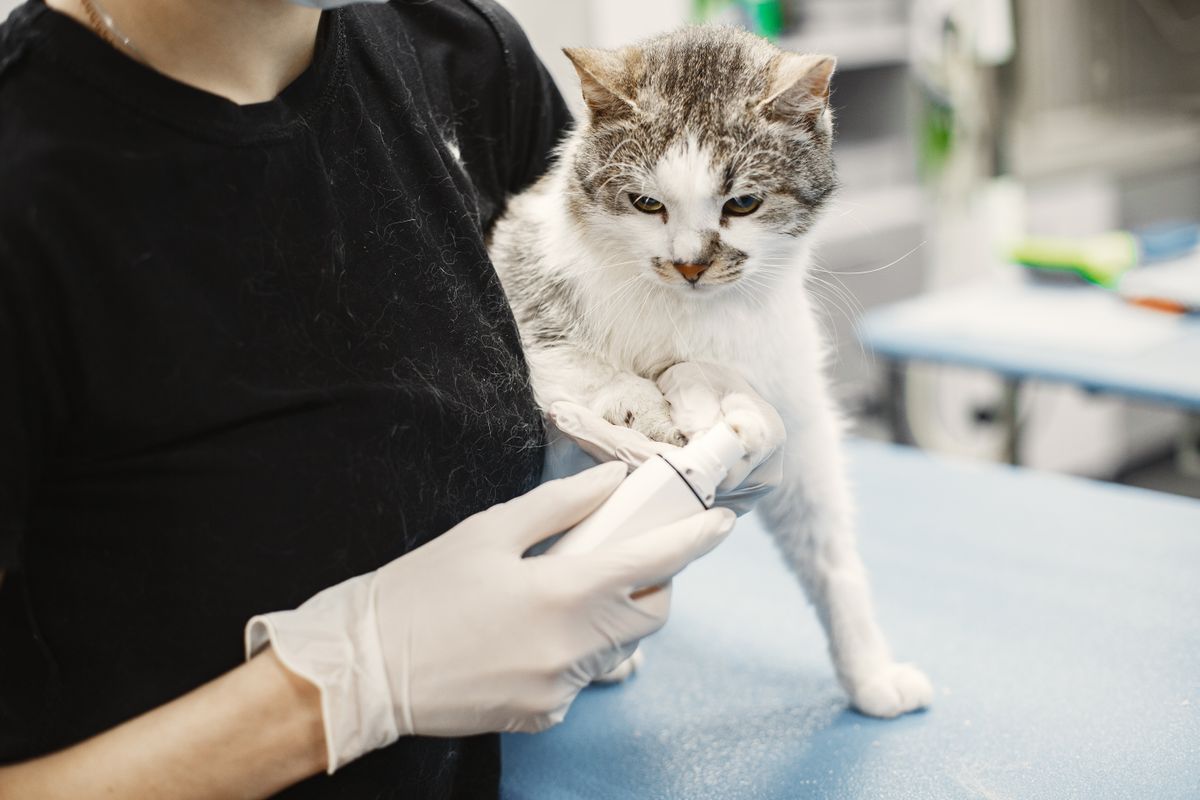
Arthritis in dogs is a common, progressive condition that affects joints and mobility as pets age, but you can significantly improve comfort with a thoughtful, multimodal plan. Understanding arthritis in dogs helps owners recognize signs early and seek appropriate care. With steady management, many dogs retain their spirit, participate in daily activities, and stay happy companions for years.
What is arthritis in dogs? Arthritis in dogs refers to joint inflammation that leads to pain, stiffness, and reduced range of motion. The most common form is osteoarthritis, a degenerative wear-and-tear process that often accompanies aging, obesity, prior injuries, or genetic predisposition. Inflammatory arthritis (such as immune-mediated types) is less common but requires prompt veterinary attention.
Causes and risk factors - Age-related degeneration of joint cartilage - Prior joint injuries or ligament tears - Excess body weight increasing joint load - Genetic predisposition in certain breeds - Repetitive strain from activity or conformation
Common signs - Limping or favoring one leg - Stiffness after rest or first movements of the day - Reluctance to jump, climb stairs, or rise from a lying position - Decreased willingness to play or go on walks - Subtle changes in gait or posture - Irritability or increased vocalization when joints are touched - Sleep disturbances or avoiding lying on hard surfaces
How arthritis is diagnosed A veterinarian will take a history, perform a physical exam, and often use imaging to assess joint changes. Diagnostics may include: - X-rays to visualize joint space, bone spurs, and cartilage loss - Blood tests to rule out other conditions or inflammation - Plan to monitor pain levels and functional ability over time
A multimodal diagnostic approach helps tailor a treatment plan that fits your dog’s age, health status, and lifestyle.
Managing arthritis in dogs A successful plan blends weight management, activity, medications or supplements, and therapies. The goal is to reduce pain, maintain mobility, and preserve quality of life.
Weight and nutrition - Achieving and maintaining an ideal body condition reduces joint load significantly. - Choose a balanced diet appropriate for your dog’s size and health, with a focus on nutrient-dense, easily digestible options. - Ask your vet about joint-friendly diets or supplements that support cartilage health. - Monitor portion sizes and adjust as activity levels change.
Exercise and activity - Keep daily routines consistent with short, frequent sessions rather than long, exhausting walks. - Emphasize low-impact activities: gentle walking, swimming, or guided hydrotherapy. - Use non-slip flooring and consider ramps or stairs with rails to protect joints during movement. - Break up high-energy play into smaller activities to prevent overloading tender joints.
Medications and supplements - Nonsteroidal anti-inflammatory drugs (NSAIDs) can help manage pain and inflammation but must be prescribed and monitored by a veterinarian due to potential side effects on stomach, kidneys, and liver. - Joint supplements such as glucosamine, chondroitin, and methylsulfonylmethane (MSM) may support cartilage health; omega-3 fatty acids can help modulate inflammation. - Other pharmaceuticals or compounds may be appropriate in specific cases; never start or stop medications without veterinary guidance. - Always discuss potential drug interactions with existing therapies and any other pets in the household.
Therapies and devices - Physical therapy (formal sessions or guided at home) can improve range of motion, strength, and balance. - Acupuncture or laser therapy may offer pain relief for some dogs. - Therapeut exercises, underwater treadmill sessions, and massage can aid mobility. - Orthopedic beds, supportive harnesses, and weather-appropriate clothing can improve comfort. - Consider assistive devices like ramps, stairs, or cart-based supports for those with significant mobility challenges.
For a broader look at how different health topics intersect with daily care, you might also explore related posts such as heartworm in dogs or dog dry skin, and nutrition resources like how-much-to-feed-a-cat for cross-species care planning. If you’re curious about how nutrition affects overall pet health, see how-much-to-feed-a-cat. You can also review heartworm in dogs for preventive care discussions. For skin-related comfort during seasons, dog dry skin tips can be helpful. And if you’re ever curious about seizures in cats, cat-seizure offers additional context.
Comfort tips for daily living Small changes add up to meaningful relief.
Home environment - Provide non-slip flooring and soft, supportive bedding. - Use ramps or step-stools to access furniture or the car. - Keep toys and treats within easy reach to encourage movement without forcing strain.
Temperature and soothing routines - Create a warm, quiet resting spot away from drafts and noise. - Apply gentle warmth to stiff joints after activity (test the temperature to prevent burns) and avoid overheating. - Gentle massage along the back and hindquarters can help ease tension around joints.
Smart at-home routines - Break walks into several short, manageable outings rather than one long session. - Include slow, simple range-of-motion exercises as advised by your vet or a veterinary physical therapist. - Maintain a consistent daily routine to reduce anxiety and improve comfort.
In addition to at-home care, regular veterinary follow-ups are important to monitor progression, adjust therapies, and address any new concerns. If you’re exploring nutrition or supplements, consider discussing options with your veterinarian to ensure compatibility with existing treatments. For owners managing multiple pets, remember to tailor plans to each dog’s needs and activity level.
When to seek veterinary care - Sudden, severe lameness or swelling in a joint - Fever, lethargy, or loss of appetite alongside joint pain - Joint heat or redness that doesn’t improve with rest - Pain or stiffness that limits basic daily activities despite home care - Changes in behavior or mood that indicate persistent discomfort
A veterinarian can re-evaluate pain control, imaging, and non-drug therapies to adapt the plan as arthritis progresses. If you notice new signs that don’t fit your dog’s usual pattern, book an assessment—early intervention often yields the best outcomes.
Conclusion Arthritis in dogs is a manageable condition when addressed with a comprehensive plan that combines weight control, appropriate activity, medications or supplements, and supportive therapies. With consistent care, many dogs maintain a happy, engaged life and remain active members of the family. By staying observant, seeking veterinary guidance, and making targeted lifestyle adjustments, you can help your dog stay comfortable and mobile for years to come.
Frequently Asked Questions
What are the first signs of arthritis in dogs? Early signs often include stiffness after rest, reluctance to climb stairs, decreased activity, and a subtle limp. Over time, you may notice more pronounced limping, muscle loss around the joints, and changes in gait.
How is arthritis in dogs diagnosed? A veterinarian conducts a physical exam, discusses the dog’s history, and uses imaging such as X-rays to evaluate joint changes. Blood tests may rule out other conditions, and the vet may monitor pain and function over time.
What treatments work best for arthritis in dogs? A multimodal approach works best: weight management, gentle low-impact exercise, targeted medications under veterinary supervision, joint supplements, and therapies like physical therapy or acupuncture. Environmental modifications also help.
Can diet or supplements help arthritis in dogs? Diet can influence inflammation and weight, both important for joint health. Supplements like glucosamine, chondroitin, MSM, and omega-3 fatty acids may support joints, but talk with your vet before starting any new supplement, especially if your dog has other health issues.
When should I contact a vet for my dog’s arthritis? If you notice sudden severe pain, swelling, fever, loss of appetite, or if home management isn’t improving mobility or comfort, seek veterinary care promptly. Regular check-ins help adjust therapy as arthritis progresses.
Still have questions?
Don't rely on Google if your pet is showing symptoms. Get a professional opinion in minutes.
Talk to a Vet Now