Senior Cat Breathing Changes: What to Watch For
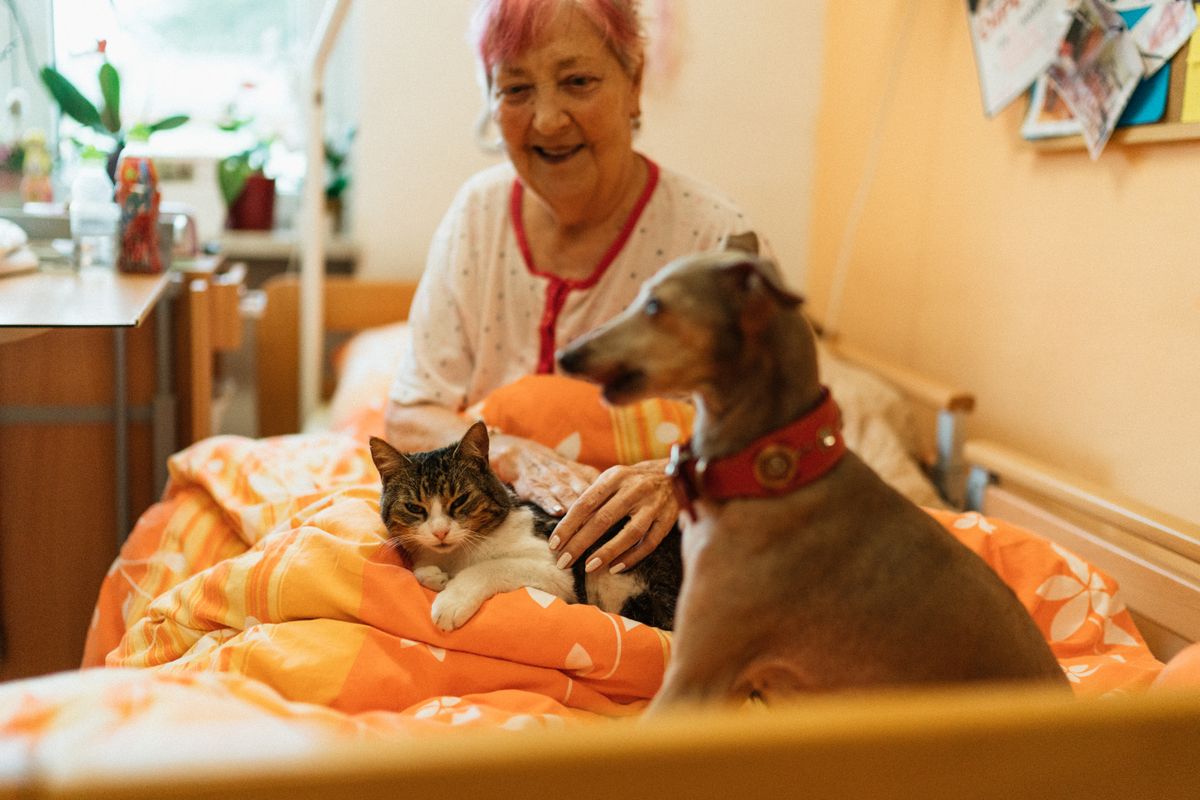
Cat heart disease, particularly hypertrophic cardiomyopathy, has an unfortunate reputation among vets for having few obvious warning signs before a crisis — many cats appear completely normal right up until a sudden episode of severe respiratory distress. This makes senior cats, who are at higher risk for developing this and other age-related conditions, worth watching more closely for subtle breathing changes than younger, healthier cats.
Subtle signs worth tracking include a gradually increasing resting or sleeping respiratory rate, more visible chest movement during breathing than used to be the case, reduced activity or exercise tolerance (a cat who used to chase toys enthusiastically and now shows less interest), and any episodes, even brief ones, of open-mouth breathing, which is essentially never normal in cats and especially significant in a senior cat.
Kidney disease, also common in senior cats, doesn't directly cause breathing changes in most cases but can contribute to overall decline that makes a cat less resilient generally, which is part of why senior cats benefit from more frequent wellness visits that can catch multiple developing issues together.
What to do: Periodically checking your senior cat's resting or sleeping respiratory rate and noting any gradual changes is a genuinely valuable, low-effort habit — an increasing trend over weeks is worth bringing to a vet even without other obvious symptoms yet. Any episode of open-mouth breathing or visible respiratory distress is an emergency requiring immediate care, regardless of how brief it seems or how normal the cat appears afterward.
For how to properly check and establish a baseline respiratory rate, here's a full walkthrough.
Still have questions?
Don't rely on Google if your pet is showing symptoms. Get a professional opinion in minutes.
Talk to a Vet Now