Labored Breathing in Cats: Why It's Often More Urgent
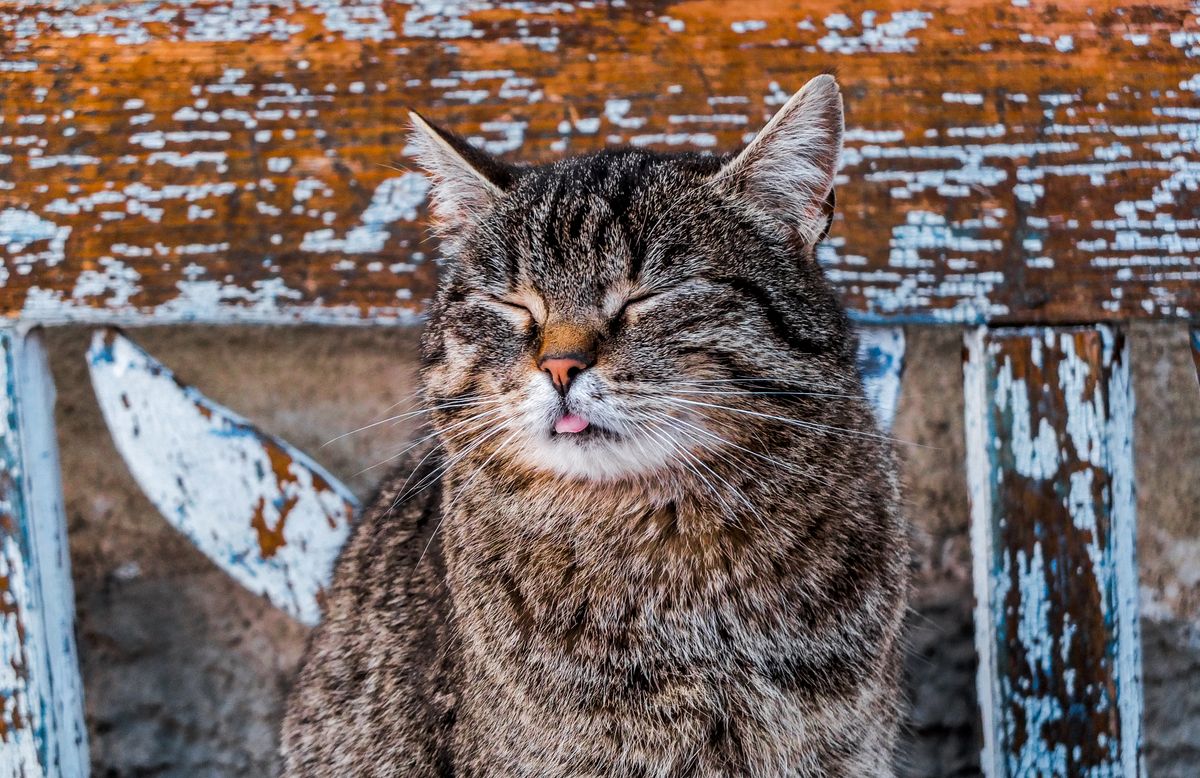
Cats are remarkably good at masking illness, including respiratory distress, right up until they physically cannot compensate anymore — which means that by the time a cat is visibly showing labored breathing, the underlying problem has often progressed further than it would have in a dog showing the same visible signs at an earlier stage.
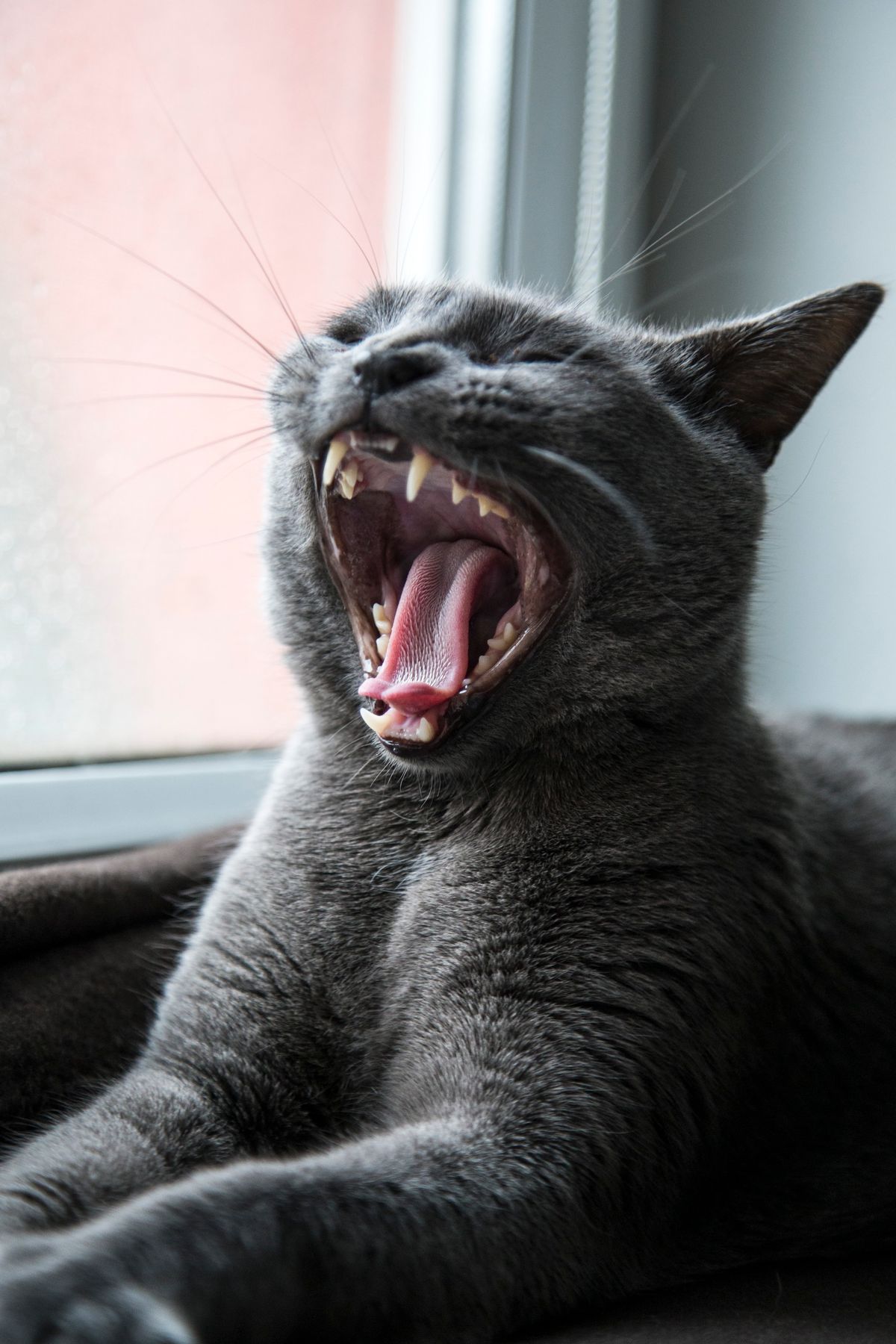
Signs of respiratory distress in cats include breathing with the mouth open (cats rarely pant or mouth-breathe under normal circumstances, unlike dogs, so this is a significant red flag on its own), a crouched posture with elbows out to the sides to maximize chest expansion, exaggerated abdominal movement with breathing, and a generally distressed, still posture where the cat seems reluctant to move at all.
Common underlying causes include asthma flare-ups, fluid in or around the lungs from heart disease (cats can develop heart disease that looks quite different from the typical dog presentation, sometimes with few warning signs before a crisis), severe respiratory infections, or trauma. Because cats compensate so well until they can't, this symptom should be treated as more urgent than the same visible presentation might suggest in a dog.
What to do: Any cat showing open-mouth breathing, a crouched distressed posture, or visibly labored breathing needs immediate emergency veterinary care — do not wait to see if it improves, and minimize handling and stress on the way to reduce further strain on their breathing. This is one of the clearest true emergencies in cat health.
Open-mouth breathing specifically deserves its own dedicated attention given how significant a sign it is — here's more detail.
Still have questions?
Don't rely on Google if your pet is showing symptoms. Get a professional opinion in minutes.
Talk to a Vet Now