Excessive Gas in Dogs: When It's More Than Diet
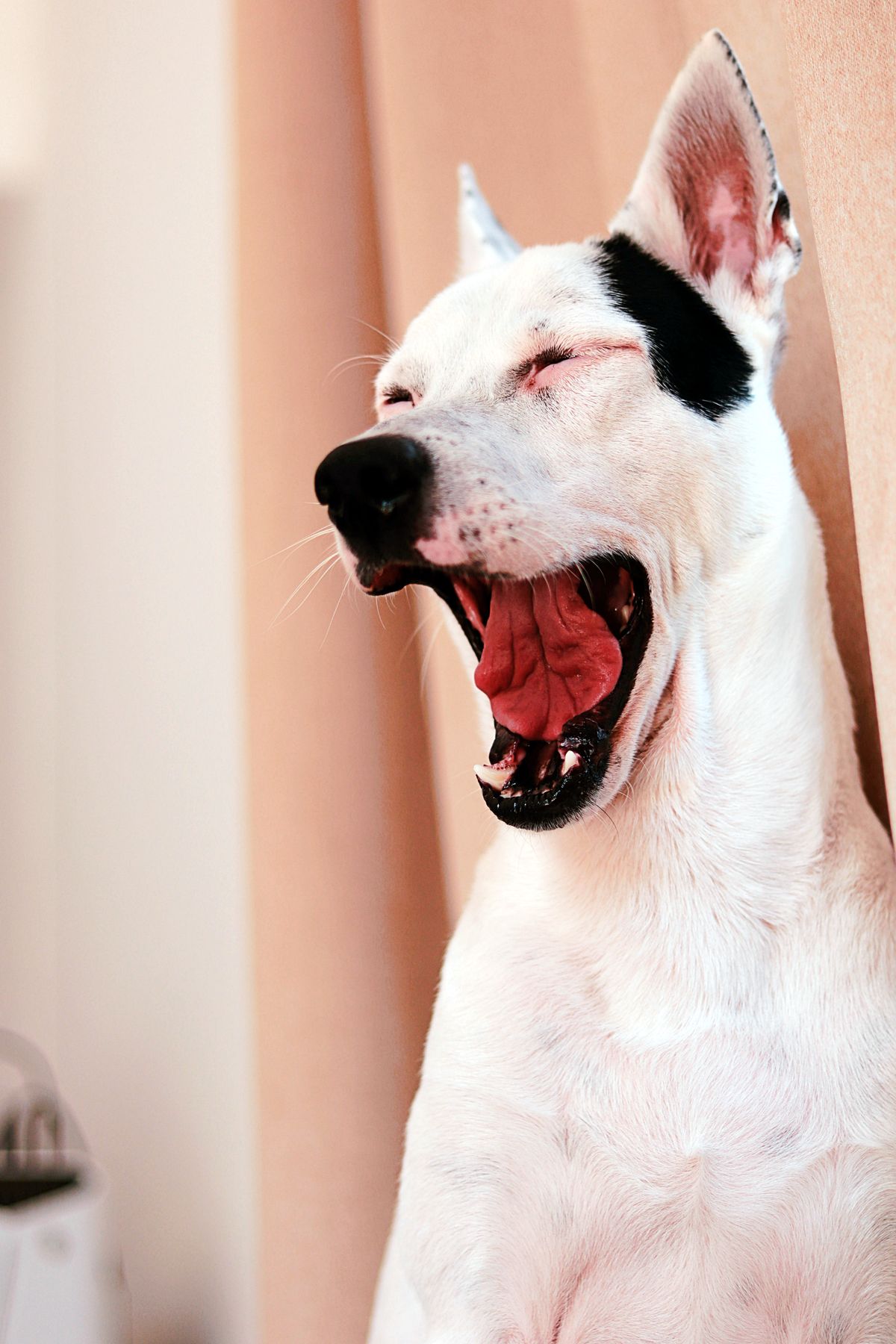
Some flatulence is completely normal for dogs, and certain breeds (particularly brachycephalic, or flat-faced, breeds who tend to swallow more air while eating) are simply more prone to it than others. Occasional gas, especially after a new treat or a fattier meal, isn't usually a sign of anything wrong.
A sudden increase in gas frequency or intensity, though, or gas that persists over time, points toward something worth examining. Common causes include a diet not well-suited to your dog's digestive system, food intolerances (dairy is a classic culprit, along with certain grains or protein sources for sensitive dogs), eating too quickly (which introduces more swallowed air), a recent diet change that hasn't been given time to settle, or in some cases, an underlying digestive condition affecting how food is processed.
If excessive gas is accompanied by other symptoms — diarrhea, vomiting, weight loss, or abdominal discomfort — that combination points more clearly toward an underlying digestive issue rather than simply a diet mismatch.
What to do: For gas without other symptoms, trying a slow-feeder bowl to reduce swallowed air, reviewing recent treats or diet changes, and eliminating dairy or common trigger ingredients can often help identify and resolve the issue. Persistent gas despite these adjustments, or gas combined with other digestive symptoms, is worth discussing with a vet to rule out food sensitivities or other underlying causes.
If dairy specifically might be a factor, here's more on why so many dogs and cats don't tolerate it well.
Still have questions?
Don't rely on Google if your pet is showing symptoms. Get a professional opinion in minutes.
Talk to a Vet Now